Why This NFL Offseason Could Belong to Offensive Linemen
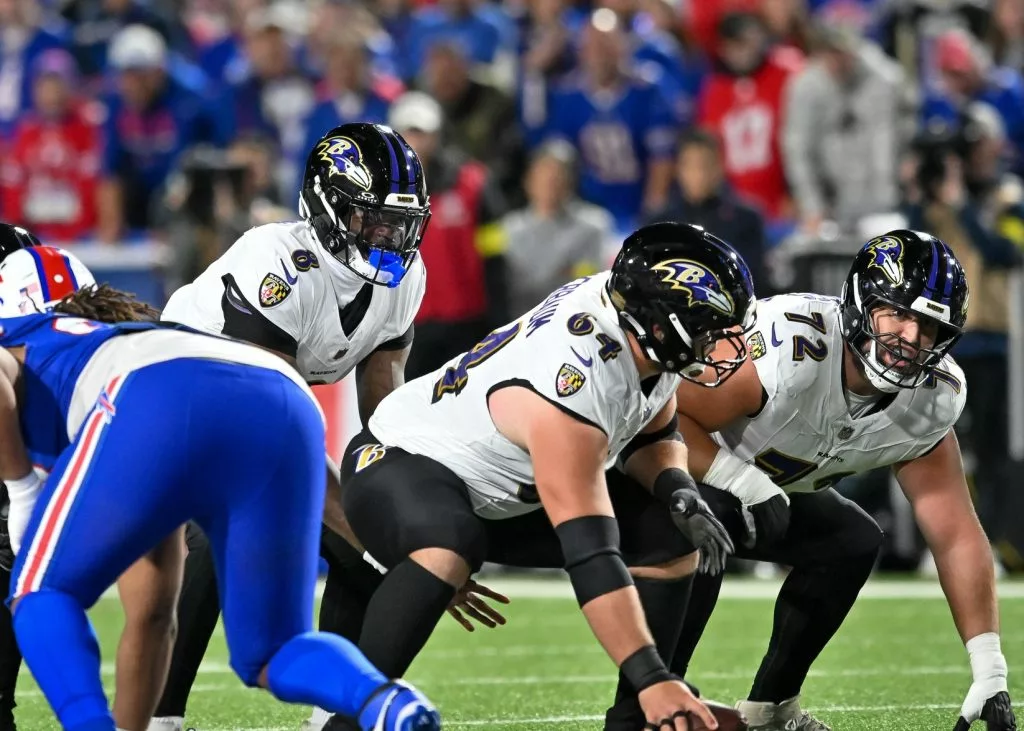
The NFL has always understood the value of the offensive line. Coaches talk about it constantly. General managers invest draft capital in it every year. And every fan base knows that if the line in front of the quarterback collapses, the entire offense usually follows with it.
Despite the importance of the offensive line being common knowledge, the past season felt like a stark reminder across the league of just how fragile teams overall can be when the offensive line is anything less than stable. Injuries, lack of depth, and inconsistent play in the trenches derailed several teams that otherwise had playoff-caliber rosters.
Because of that, this offseason is shaping up to be one where offensive linemen are in especially high demand. In many ways, this feels like the summer of the offensive lineman.
Several teams entered last season with championship aspirations, only to watch their offensive structure crumble because they could not protect the quarterback or establish consistent run blocking. This was the case with the Los Angeles Chargers, who couldn't keep the pocket clean for an MVP-caliber QB like Justin Herbert.
When offensive lines struggle, it does more than just impact sack totals. It disrupts timing, forces quarterbacks into rushed decisions, and removes entire portions of the playbook. The ripple effect is massive. Offensive coordinators end up having to scheme differently, quarterbacks absorb more hits, and explosive offenses suddenly look stagnant.
The result is an incoming free agent market that features a surprisingly strong group of offensive linemen at a time when demand around the league is unusually high. When supply and demand collide like this, the outcome is almost always the same, as contracts escalate quickly.
One reason this year’s market feels different is that it includes a mix of premium starters, proven veterans, and younger players still entering their prime. At the top of the market, players such as Tyler Linderbaum and Alijah Vera-Tucker headline a group that could command significant deals as foundational interior pieces. Rasheed Walker and Jermaine Eluemunor highlight the tackle market, where quality starters are often difficult to find and even harder to replace.
But the depth of the class may be what truly drives the market.
Several players who were not initially expected to be available have recently entered the pool after being released for cap reasons. Jawaan Taylor’s release by the Kansas City Chiefs instantly added a starting-caliber right tackle to the market. Mekhi Becton becoming available gives teams another high-upside option along the interior. Veteran centers such as Graham Glasgow, Tyler Biadasz, and Lloyd Cushenberry also suddenly became options after cap-related cuts, giving teams multiple potential answers at one of the league’s thinnest positions.
That influx of talent matters because offensive line depth has become one of the most critical factors separating contenders from teams that fade late in the season. It's more than just having your Week 1 starting group. It's about having versatility and depth as well.
Over the last few years, several playoff teams have proven that point. When injuries inevitably hit the offensive line, organizations with capable backups and veteran depth have been able to maintain stability. Teams without that depth have often watched their seasons unravel within weeks. It only takes a couple of injuries along the line to expose structural weaknesses that opponents will relentlessly attack.
Because of that reality, general managers are approaching the position differently. Instead of simply finding five starters and hoping they stay healthy, more teams are investing in six, seven, or even eight players who can realistically play meaningful snaps. That philosophy dramatically increases demand during free agency.
The financial side reflects it.
Over the past few offseasons, offensive linemen have quietly become some of the most expensive non-quarterbacks in the league. Elite tackles already command contracts north of $20 million annually, and the interior market has climbed steadily as well. Guards and centers who would have been considered mid-tier starters a decade ago are now earning contracts that rival skill-position players.
This offseason could push that trend even further.
With several teams needing immediate help and a deeper pool of viable options available, bidding wars could emerge quickly once the market officially opens. Teams that strike early may secure long-term answers at critical positions. Teams that wait may find themselves paying even more once the top options come off the board.
That is why this offseason feels different.
The lessons from last season are still fresh. Teams saw how quickly a season can collapse when the offensive line fails. Now they have an unusually strong free-agent class available to address that problem.
-
Panthers RB Jonathon Brooks Slated for Surgery, IR Stint
-

VegasWay Sweepstakes Casino Partners With Sneaky Slots: Play 3 New Games
-

MLB Home Run Props and Predictions Today: Top Player Props for Sept. 23
-

Presidents Cup Props & Parlay Picks for 2026: Sam Burns Time
-

‘America’s Got Talent’ Finale Prediction Markets: Nene Royal Leads
-
Tribes Line Up to Criticize Tunica-Biloxi Prediction Market Move