Week 16’s Rookie QB Wave Is Changing the NFL’s Landscape on Sunday
At this point in the NFL season, variability is at an all-time high. Teams start to shift strategy based on their record and what their objective is moving forward, whether that’s competing for the playoffs right now or sliding toward better draft positioning and punting to next season. That has a real impact on the final month of the schedule, and it can be the difference between a team grinding through a tough close versus stacking “easy wins” simply because opponents are making different decisions with different incentives.
But if you zoom out across the league, there’s a bigger storyline that keeps popping up. A meaningful chunk of the NFL is already tilting toward the future. And the clearest signal of that shift is happening at the position that matters most.
As we head into Week 16, there are six rookie quarterbacks expected to start. That’s almost 20% of the entire league. The important note here is that not all of these rookies were Week 1 starters. Some of it is injury-related, sure, but a lot of it is strategic. Because once you’re not realistically making the playoffs, the question becomes simple: why not try the young guy? Get him live reps. See what you have. And along the way, if it comes with a few more losses, that’s not exactly the worst thing in the world when draft positioning is part of the equation.
This trend isn’t brand new, but six rookie starters in Week 16 is still something to file away.
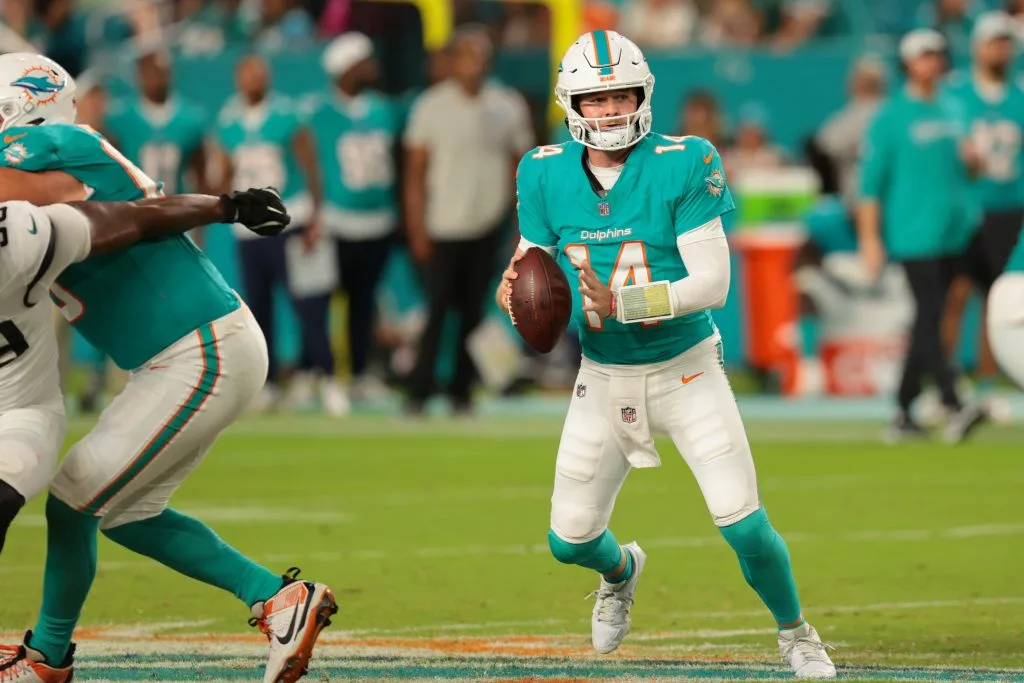
The Cleveland Browns are starting Shedeur Sanders. The Jets are continuing with Brady Cook. The New Orleans Saints have stumbled into what looks like a potential franchise quarterback with Tyler Shough, who has been winning games and making a name for himself. Jaxson Dart has become the face of the franchise for the New York Giants and he’s been impressive this season. The Tennessee Titans haven’t won many games, but Cam Ward is clearly their QB1 moving forward. And then there’s the most recent twist: Quinn Ewers starting over Tua Tagovailoa in Miami, which adds another rookie quarterback into the mix late in the year.
That context matters. It means a good chunk of the Week 16 slate is being played by teams that are prioritizing young talent, and in several cases, that means prioritizing young QBs.
Now, that doesn’t mean these teams are intentionally trying to lose. But there are levers you can pull that are beneficial either way. You get information on the rookie. You get a real evaluation against real NFL defenses. If you win and the rookie looks awesome, great, you might have found something. If you lose, that’s not ideal in the moment, but it’s not devastating either because you were probably not a playoff team anyway, and the loss can improve draft position in the long run.
That’s where the volatility comes in, and that’s why this matters for anyone trying to project outcomes right now.
Could the Dolphins look better with Quinn Ewers? Maybe. Could Shedeur Sanders play his best game and lead Cleveland to a win this week? Absolutely. Could Tyler Shough keep stacking confidence and results for New Orleans? Sure. But the flip side is true, too.
Ewers could struggle and Miami could continue looking non-competitive. Sanders could have a rough day and the Browns could keep sliding. Shough's streak of playing well could easily come to an end. That’s what makes this moment tricky. The range of outcomes widens, and that range matters if you’re betting games, building projections, or trying to understand why certain teams feel impossible to trust on a week-to-week basis.
And if you’re betting the Week 16 slate, this isn’t just a quarterback note. It’s a domino effect.
When a rookie quarterback is starting, it changes the ecosystem around him. It impacts receivers and how they’re used. It impacts the defense he’s facing, both in terms of pressure looks and disguised coverages, because defensive coordinators are far more comfortable getting aggressive against a rookie. It increases the probability of turnovers and negative plays, even when the offense is moving the ball fine between the 20s. It often increases rushing volume because teams want to protect the quarterback, stay out of obvious passing downs, and control game flow. It can also mean the playbook isn’t fully opened up yet, not because the rookie can’t run the offense, but because coaching staffs want him living in comfortable answers instead of forcing him into full-field chaos for 60 minutes.
That’s why this matters from both a fantasy and betting perspective. A rookie quarterback can swing player props, game totals and spreads, but not always in the way people expect. A rookie starting does not automatically mean you hammer the under on the game total. It does not automatically mean you take unders on his receivers. It does not automatically mean the young QB throwing an interception is a lock.
That’s the point. It’s volatility, not certainty. Sometimes the conservative game plan creates an ugly, under-friendly game. Sometimes the rookie volatility creates short fields, weird scores and sudden swings that push totals over. Sometimes the rookie feeds one reliable target all afternoon. Sometimes he spreads it around and nobody gets there. It depends on matchup, play-calling, game script and how the opponent chooses to play it.
The broader lesson is that this trend needs to be part of the equation right now, because December football isn’t only about playoff races. It’s also about collecting data points, building momentum toward next season and figuring out what you actually have.
And with six rookie starters at QB in Week 16, that trend is one worth keeping on your radar, especially if you’re trying to bet smarter, project outcomes, or understand why the final few weeks of the season can feel like a different sport depending on who’s still chasing January and who’s already building for 2026.
-
Gamblers More Financially Savvy Than Non-Bettors, Says Study
-
MLS Best Bets and Picks for Sept. 26: Will Nashville Win Again?
-

CrashDuel Sweepstakes Casino Adds 6.5K SC Autumn Tourneys
-

Harvest Heat Tournament Kicks Off at Moonspin Casino: Win a Share of 1,500 SC
-

Azerbaijan Grand Prix Odds & Prediction for 2026: Can George Russell Capitalize?
-
James Files Lawsuit Accusing Polymarket of Violating New York Sports Betting Laws