Weather & Injury Watch: How It Could Affect Betting Tonight's Super Bowl
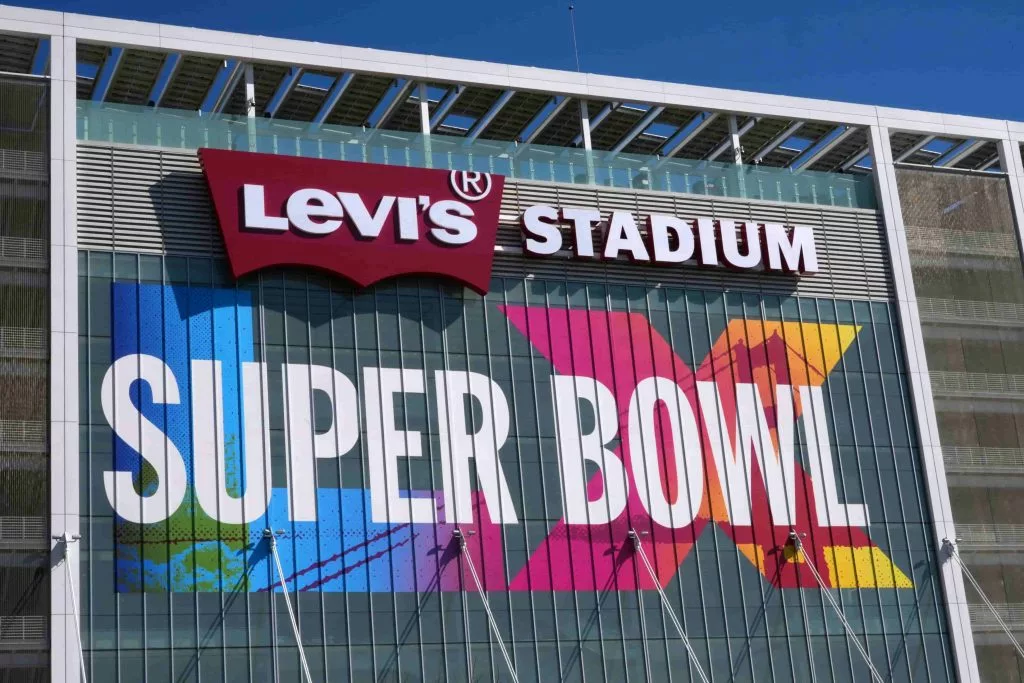
Super Bowl Sunday is when the betting market is at its most liquid and at its most vulnerable to overreaction. With more money in the pool than any other single event on the sports calendar, sportsbooks are forced to balance sharp action, late public money and incomplete information all at once. That makes weather and injury news especially important, not because it rewrites the matchup, but because it can quietly reshape totals, props and live betting opportunities.
For Super Bowl LX, conditions are expected to be largely playable, though not entirely neutral. Kickoff is scheduled for Sunday evening at Levi’s Stadium in Santa Clara, where forecasts call for mild temperatures but some atmospheric variables that bettors should keep in mind.
Daytime highs are expected to reach the upper 60s, with temperatures dipping into the low 50s by kickoff. Winds are projected to remain light, generally in the 5 to 7 mph range, which is well below the threshold that typically forces sportsbooks to aggressively discount passing efficiency. However, the Bay Area forecast also includes morning fog and lingering moisture, elements that don’t always show up in box scores but can subtly affect footing, ball handling and early-game timing.
From a betting standpoint, this is important because it suggests that weather alone is unlikely to force a dramatic pregame adjustment. Instead, its influence is more likely to show up in the margins, particularly in totals and prop markets, rather than in the point spread. Mild conditions support offensive efficiency, but Super Bowl environments often lead to conservative early play-calling, which can suppress scoring even when the weather is technically good.
So, entering the final game of the NFL season, what weather and betting factors should you know about?
Injury Context That Actually Matters for Bettors
The injury picture entering Super Bowl LX is relatively clean compared to many recent championship games, but there are still a few situations worth monitoring closely from a betting perspective.
Seattle enters the game with minimal concerns. Fullback Robbie Ouzts is listed as questionable with a neck injury, a designation that matters more for short-yardage and protection packages than for overall offensive production. The more meaningful news for Seattle bettors is that defensive back Nick Emmanwori, who had been dealing with an ankle issue earlier in the week, is no longer carrying an injury designation and is expected to play.
If Emmanwori is truly at full strength, it stabilizes Seattle’s secondary and limits the type of explosive passing plays that often swing player props and game totals. His presence doesn’t necessarily move the spread on its own, but it can quietly compress efficiency on the back end, especially on deep throws and extended plays.
New England’s injury situation carries more potential betting implications. Defensive lineman Joshua Farmer has been ruled out with a hamstring injury, while linebackers Harold Landry and Robert Spillane are listed as questionable after limited practice participation. Front-seven injuries matter because they influence multiple markets at once: pass rush, run defense, third-down efficiency and time of possession.
Earlier in the week, there was also some attention paid to Patriots quarterback Drake Maye after he appeared on the injury report with a shoulder issue. That concern has since cooled, and Maye is expected to be available without restriction. From a betting standpoint, that removes the most disruptive variable, as quarterback health is typically priced quickly and aggressively by sportsbooks.
How Weather and Injuries Feed Into the Spread
With both quarterbacks expected to be available and weather conditions unlikely to interfere significantly, the point spread is the market least likely to be moved by external factors. Books are generally comfortable letting matchup dynamics and money flow dictate the side, rather than overreacting to mild weather or non-skill-position injuries.
Where injuries can still matter for the spread is in the cumulative effect. If New England’s linebackers are limited, that can soften the Patriots’ ability to pressure the quarterback and defend the run consistently. Over the course of a full game, those small disadvantages can show up in sustained drives and field position, even if they don’t immediately alter scoring expectations.
Totals and the Subtle Edge of Conditions
The total is where the combined influence of weather and injuries becomes more actionable. Mild temperatures and light wind support scoring, but the Super Bowl environment often introduces its own friction. Teams tend to script conservative early drives, prioritize ball security and avoid high-risk decisions until the game settles.
If Seattle’s defense is close to full strength, particularly in the secondary, that can suppress explosive plays and force New England to string together longer drives. If New England’s front seven is compromised, Seattle may be able to control pace and possession without necessarily accelerating the game. Both dynamics can quietly favor unders, especially in the first half, even when the full-game total appears reasonable.
Why Props Are the Most Sensitive Market
Player props are often the most responsive, and sometimes the slowest to fully adjust, to weather and injury information. Passing props tied to yardage and longest completion are especially sensitive to secondary health and subtle environmental factors. Even light wind and moisture can reduce the likelihood of high-end passing outcomes without dramatically affecting completion rates.
Rushing and usage-based props can also be influenced if injuries force teams to lean more heavily on certain personnel groups. If New England’s linebackers are limited, Seattle’s early-down rushing volume and short passing game could see a slight boost, even if efficiency remains modest.
Kicking props are another area where conditions matter more than the forecast headline suggests. Light wind doesn’t eliminate kicking risk, but it can affect coaching decisions on longer attempts, especially in a game where field position and score leverage are magnified.
 Up To $1500 in Bonus Bets Paid Back if your First Bet Does Not Win
 Weather and injuries don’t create bets on their own, particularly in a Super Bowl where sportsbooks are hyper-aware of public tendencies. What they do provide is context and a way to refine expectations for how the game is likely to unfold and which markets are most vulnerable to mispricing.
In Super Bowl LX, conditions appear favorable enough to avoid a weather-driven outlier, while injuries are concentrated in areas that affect efficiency more than availability. That combination tends to push value toward totals, props and live betting rather than pregame sides. For bettors willing to stay patient and let confirmed information guide decisions, those secondary markets are where the clearest edges often emerge on the biggest night of the NFL season.
-
Steelers vs. Patriots Prediction, Odds & Picks for Sept. 20: Pittsburgh Covers
-
SNF Week 2 NFL Parlay Picks & Player Props: Best Chiefs vs. Colts Bets
-

Coinz.us Hub: Sweepstakes Casino Revamps Mobile Experience, Adds Free Prizes
-
NFL Anytime TD Picks for Week 2 Sunday Slate: Best Bets for Sept. 20
-
Bears vs. Vikings Prediction, Odds & Picks for Sept. 20: Expect Scoring
-
Colts vs. Chiefs Prediction, Odds & Picks for Sept. 20: Chiefs Grind Out Win