Why Red Bull's Formula 1 Struggles Run Deeper Than The New Regulations
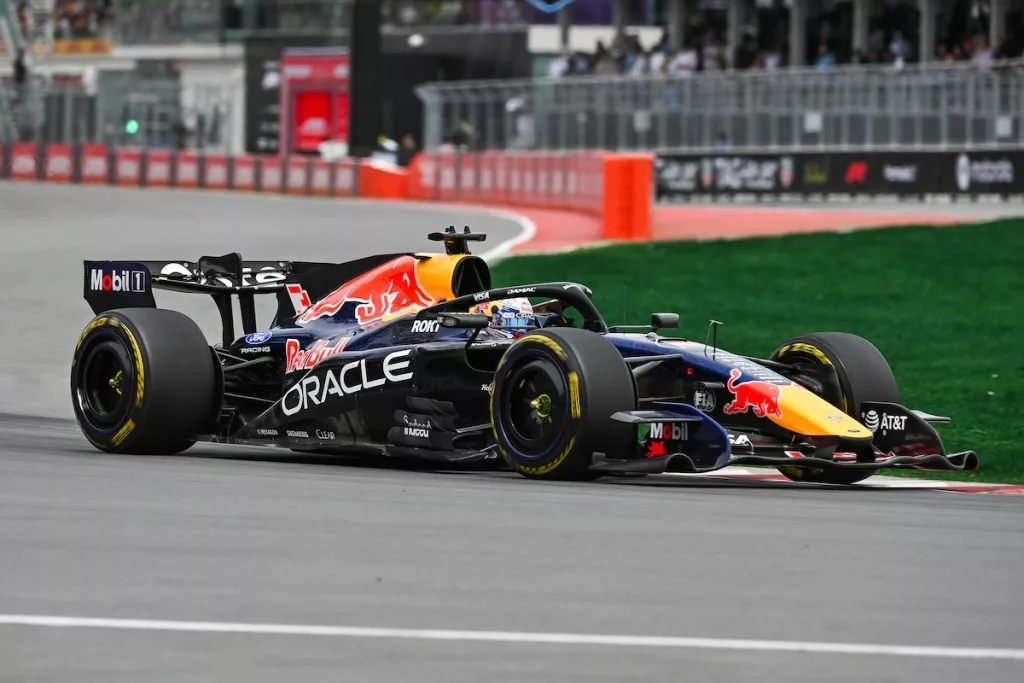
The recent struggles Red Bull has faced in Formula 1 extend far beyond Max Verstappen’s complaints about car behaviour at the Hungaroring.
The team is facing a broader decline that goes deeper than on‑track performance.
While Red Bull is still competitive and its new powertrain division has made an impressive debut, the organisation is clearly struggling to operate at the level it once did.
Last season already showed signs of strain, even though Verstappen nearly won the title.
This year has exposed deeper weaknesses, leaving Red Bull as the least competitive of Formula 1’s four leading teams.
Some of this may be temporary, but the scale of change inside the organisation suggests a more significant shift.
Why Red Bull Are Struggling In Formula 1
The team has lost several influential figures. Adrian Newey, Christian Horner, Jonathan Wheatley, Helmut Marko and Paul Monaghan have all departed or are expected to leave.
Their exits have altered the structure that once made Red Bull so effective.
The team previously thrived on a tight‑knit culture that allowed fast decision‑making and clear leadership.
Horner’s autonomy was central to that approach, supported by Dietrich Mateschitz’s philosophy of empowering trusted individuals.
Since Mateschitz’s death in 2022, Red Bull’s corporate leadership has taken a more hands‑on role.
Horner’s removal was part of that shift. Laurent Mekies now leads the team, but with far less authority.
Oliver Mintzlaff oversees the wider project, yet has not shown the same political instincts that once helped Red Bull dominate paddock negotiations.
Technical performance has also dipped. The RB22 suffers from inconsistent balance and unpredictable development trends.
Even operational strengths have faded. Red Bull was once the benchmark for pitstops, but it now ranks behind Racing Bulls in DHL’s standings.
None of this guarantees long‑term decline, but the warning signs are clear.
Red Bull still has excellent facilities and talented staff, yet its future success depends on restoring the culture, autonomy and sharp leadership that once made it exceptional.
-

Coventry Claim First Premier League Win Since 2001
-
Bournemouth vs Liverpool Prediction, Tips for 20/09: Reds to Win?
-

Betfred Founder Predicts ALL Betting Shops Will Be Closed By 2030
-

UFC 331 Predictions, Odds & Betting Tips: Big Night in Los Angeles
-
Premier League Predictions Today 19/09: Gunners to Maintain 100% Record
-

Igor Thiago On Scoresheet as Brentford Stun Rivals Chelsea