Why Are McLaren So Far Behind Mercedes This Formula 1 Season?
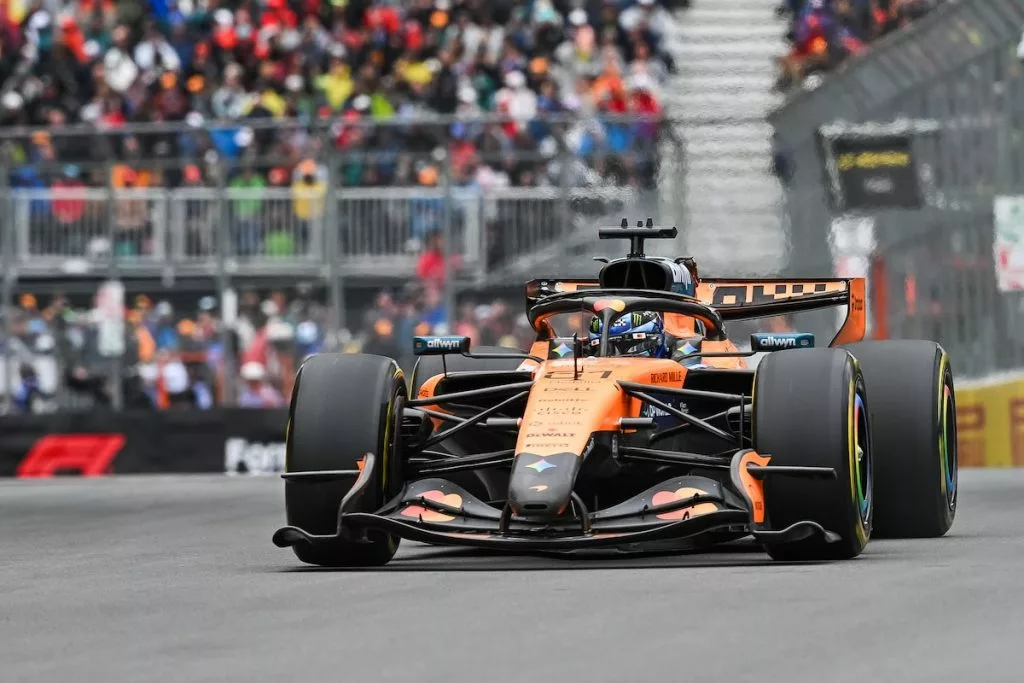
After dominating last season, McLaren has found life extremely difficult during the 2026 Formula 1 season so far.
Their hopes of defending last season's double World Championship success already appear gone - but why have they struggled so badly?
McLaren Formula 1 Struggles Explained
According to team principal Andrea Stella, part of the problem stems from last season.
With Max Verstappen pushing McLaren all the way in the 2025 title fight, engineers had to keep developing that championship-winning car for longer than planned, delaying full focus on the new regulations.
That wasn't the only issue. McLaren also admits it made incorrect design choices during the early stages of its 2026 project.
Stella explained the team has now changed direction, but warned that aerodynamic development takes time, saying the current delay is "probably two, three months" behind its main rivals.
While rivals have continued introducing effective upgrades, McLaren has struggled to keep pace.
Some planned developments have also been delayed or abandoned, leaving the team falling further behind.
The car itself has several weaknesses. Drivers Lando Norris and Oscar Piastri have both complained about a lack of downforce, excessive drag and poor straight-line speed.
Those problems become even more obvious on circuits with strong winds or cooler temperatures, where McLaren struggles to maintain tyre temperatures.
Norris summed up the frustration after the British Grand Prix, describing the car as "one of the hardest cars I've ever driven in Formula 1."
Mercedes has also gained an advantage through better power unit optimisation.
The works team has introduced reliability improvements that allow it to run its engine more aggressively, while McLaren is still using an older specification after reliability concerns earlier in the season.
There are also differences in gear ratios and engine deployment, areas where Mercedes naturally benefits as the manufacturer.
The good news for McLaren is that a recovery plan is already underway.
Stella says the first signs of progress should appear before the summer break, although the biggest upgrades are expected later in the year.
-
Premier League Gambling Messages Down 10.5% Following Sponsor Ban
-

Bayern Munich vs Arsenal Prediction, Odds & Betting Tips: Kane To Score
-

Flutter Layoffs Reach 1,400 as Gambling Tax Pressure Mounts
-
Big Week in Champions League for English Sides
-

Champions League Predictions Today: Best Bets for 20 October
-

Wolves vs Portsmouth Prediction, Odds & Betting Tips: A Tight Wolves Win?