Heat Hazard Declared By Formula 1 For Singapore Grand Prix
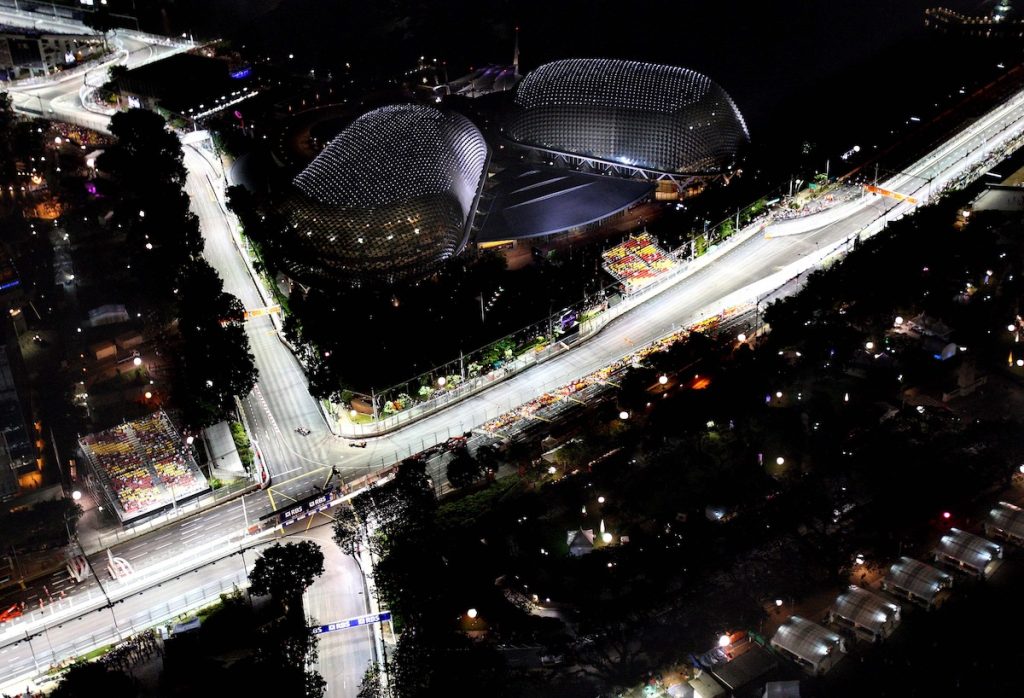
The Singapore Grand Prix returns under extreme conditions, with Formula 1 once again confirming the event as an official “heat‑hazard” race.
It is the second consecutive weekend to receive the designation and the fourth time this season, highlighting the growing challenge tropical climates pose to the calendar. Temperatures are expected to exceed 31 degrees, while smog drifting from Indonesian wildfires has further complicated race preparations.
Despite the air‑quality concerns, Formula 1 says the situation is being monitored and is not currently considered a major risk.
Singapore Grand Prix: Heat‑Hazard Status Explained
The heat‑hazard classification allows teams to equip cars with cooling systems that circulate chilled liquid through a vest worn under the driver’s race suit. Singapore’s climate makes this particularly relevant: the race is held at night, yet cockpit temperatures routinely exceed 40 degrees due to humidity and the tight street‑circuit layout.
The cooling vest is optional, but any driver who chooses not to use it must carry an additional 5kg of ballast to avoid gaining an advantage. The system itself is far from perfect – the liquid often warms too quickly, especially in Singapore, the longest race of the season. Some drivers also dislike the restrictive feel of the tubing inside the cockpit.
Max Verstappen is among those who prefer to race without it, saying: “It’s hot, but it’s not a sauna… it doesn’t work anyway for one and a half hours.”
Technical Challenges and Team Approaches
Mercedes are one of several teams opting not to run the cooling system, believing the development cost outweighs the performance benefit. The FIA offers financial allowances under the cost cap - $50,000 for a system that stays cool for an entire race and $75,000 for one that is comfortable, but Mercedes say the support is too limited to justify investment.
Singapore joins Austria, Italy and Malaysia as heat‑hazard events this year. While Europe’s heatwave drove temperatures to record highs earlier in the season, Singapore’s conditions are typical of south‑east Asia and would have met the criteria many times had the designation existed before 2025.
For more paddock insight, follow our latest F1 news, updated Formula 1 odds and expert Formula 1 tips.
-

Arsenal Duo Set For New Contracts
-
Heat Hazard Declared By Formula 1 For Singapore Grand Prix
-

Men Sentenced Over Illegal Cardiff Poker Den Linked to Organised Crime
-

Rank Group to Pay £5 Million Fine for Catalogue of Licence Breaches
-

Liverpool vs Man City Preview: How the Game Will Be Won | Analysis
-

England vs Czechia Prediction, Odds & Tips: Over 4.5 Goals