Formula 1 Algorithm Energy Crisis: Why Drivers Can't Control Their Own Batteries
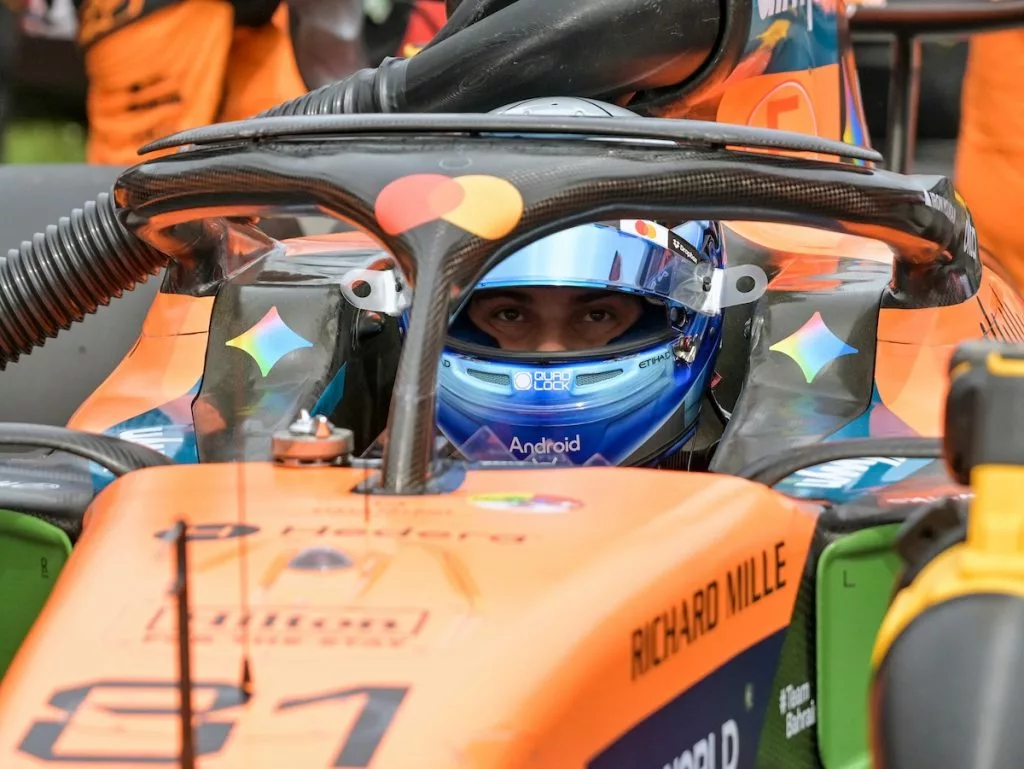
The Formula 1 algorithm problem runs deep this season, with drivers repeatedly questioning why they cannot control their own energy deployment.
Weekends like Belgium highlighted how much machine‑learning systems influence performance.
Oscar Piastri summed up the frustration by calling it a “pretty crap way of going racing”, and many in Formula 1 feel the current rules leave them with too little control.
Formula 1 Deployment Algorithm Problems
The idea of giving drivers full authority over deployment sounds simple, but the FIA says it is not realistic.
Nikolas Tombazis explained that the issue begins with the limited energy available. He said drivers’ complaints “are a consequence of the fact that energy is limited, and therefore how you best manage it becomes super critical”.
If drivers had unrestricted manual control, they would dump all electrical power on corner exit, making disparity between cars worse.
Tombazis also pointed to strict limits on battery behaviour. These include caps on deployment, recovery and state‑of‑charge windows.
They exist to stop teams from escalating into a battery‑size arms race. He added that “humans can’t rationally control all of these parameters”, because the hybrid system requires constant, precise management.
The FIA believes the situation will improve when the current power split moves from roughly 53/47 to 60/40 in favour of the combustion engine by 2028.
Tombazis said this shift “will go towards a simplification”, reducing how much the algorithms dictate performance.
He admitted the system is “more complicated than we would like”, but argued that the complexity is tied to the core design of the hybrid rules.
Drivers accept that the problem will never disappear entirely.
Piastri said he does not expect it “to ever fully go away”, but hopes that as manufacturers refine their software and understand regulatory limits, the behaviour of the algorithms will improve.
These systems existed long before the latest rules, but their influence has grown as electrical power has become a larger share of total output.
When that share drops to 40% in 2028, the algorithms should matter less and behave more predictably.
-

Coventry Claim First Premier League Win Since 2001
-

Bournemouth vs Liverpool Prediction, Tips for 20/09: Reds to Win?
-

Betfred Founder Predicts ALL Betting Shops Will Be Closed By 2030
-

UFC 331 Predictions, Odds & Betting Tips: Big Night in Los Angeles
-
Premier League Predictions Today 19/09: Gunners to Maintain 100% Record
-

Igor Thiago On Scoresheet as Brentford Stun Rivals Chelsea