YouTube to Open Up ‘Most Prominent’ Ad Space to Gambling Operators
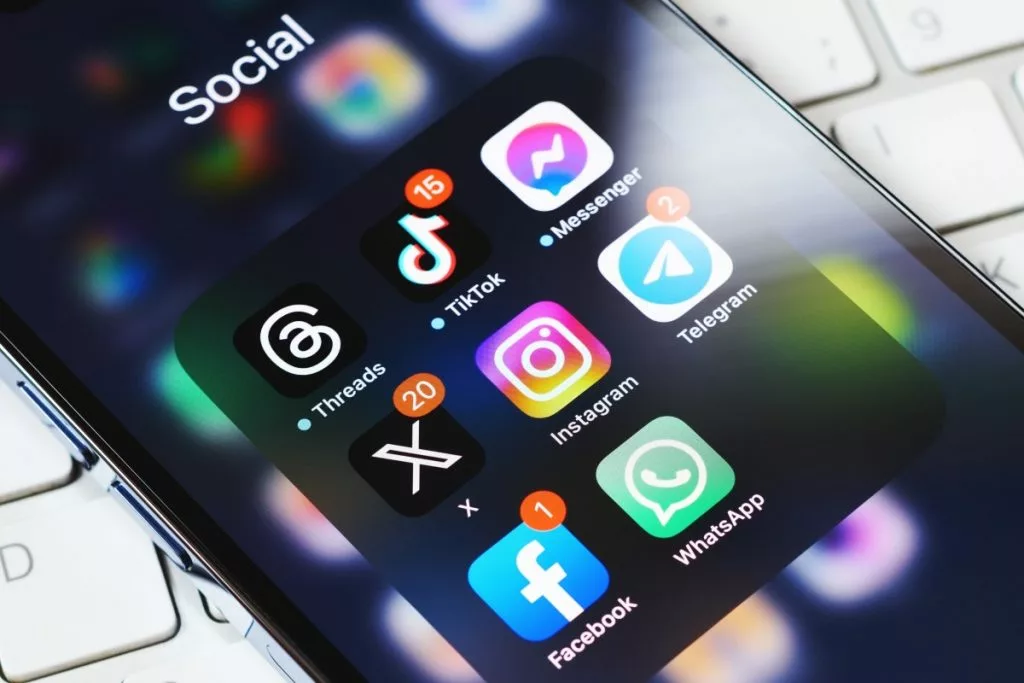
At a time when many a notable person or organisation is calling for a complete ban on gambling advertisements, online video giant YouTube is heading in the completely opposite direction.
Later this month, they will open their ‘masthead’ ad space, which YouTube describes as the most prominent available, to all licensed betting firms.
The new policy, which will commence on 21 October, could see more gambling brands securing a key piece of marketing real estate moving forward … at a time when their opportunities to advertise elsewhere are becoming thinner on the ground.
Licensed Gambling Ads on YouTube
Google, which owns and operates YouTube, is happy to go against the grain, with campaigners in the UK, US and other locations around the world calling for a partial or complete ban on gambling ads.
They particularly want to prohibit betting firms from advertising on platforms that aren’t protected by age limits or watershed hours, such as social media.
YouTube falls under the same category, so it will be interesting to see how they prevent children and vulnerable adults – remember, anyone can watch YouTube videos as a ‘guest’ without needing a comment – from consuming gambling ad content.
At least the YouTube ads will be restricted to licensed betting firms only, with only those approved by Google and who hold the tech giants’ gambling certification able to advertise in the masthead.
The Cost of YouTube Masthead Ads
It’s generally accepted that the most effective online ads are those placed as high up the page as possible.
That’s why YouTube’s masthead is so in demand: viewers see the ad before they scroll down to browse the video carousel or click play on their chosen content.
Although there’s no set price to advertise on the masthead, as the cost differs across campaigns and even times of day, it can attract fees of hundreds of pounds at peak moments.
Gambling firms in the UK have historically spent big on ad campaigns; however, one impact of the Gambling Tax hikes, first rolled out in April of this year and continuing in April of next year, has been brands cutting back on promotional spending.
They now face a choice: get many eyeballs on their brand at an exorbitant cost … particularly key in an increasingly competitive market, and at a time when unlicensed operators are spending millions on social media marketing.
Safe, Legal Gambling Ads
At least Google is doing its bit to promote licensed, safe gambling… not something you can say about some other tech behemoths, like Meta.
They have long been accused of turning a ‘blind eye’ to ads run by illegal betting sites and bookmakers, with Facebook in particular plagued by such promotional activity. Former Gambling Commission executive director Tim Mille described Mark Zuckerberg’s outfit as ‘taking money from criminals and scammers’ and ‘simply choosing not to’ take any action.
That’s one reason a House of Lords committee has called for a blanket ban on gambling advertising in the UK. They have cited the example of the tobacco industry, which was banned from promoting smoking in 2002 – the decline in smokers since is said to be around 20-30%.
Of course, any ban on licensed firms promoting their platforms would be music to the ears of the black market, which already spends around £850 million a year collectively advertising on any channel that will let them.
-
Safer Gambling Week: A Decade On, Has It Made Gambling Safer? | Analysis
-

IG Group’s Share Value Plummets Despite Prediction Markets Move
-
Trafford Shines in England’s Stunning Win in Spain
-
ATP World Tour Finals Odds, Tips & Predictions: Alcaraz On Top In Turin
-
Switzerland vs Scotland Predictions, Odds & Tips: Swiss Too Strong for Scots
-

England Squad Trimmed For Spain Test As Three Stars Left Out