Why British Horse Racing Is Running Out of Runners | Analysis
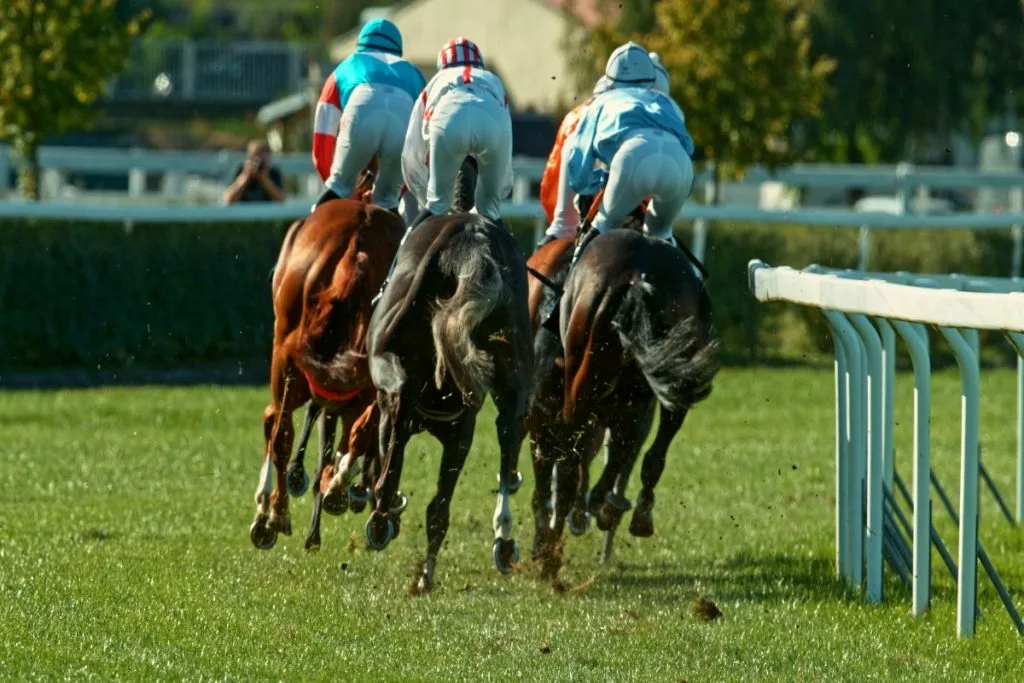
British horse racing is facing a problem. We have fewer horses in training, contributing to smaller field sizes, and declining betting turnover. Yet despite this, bookmakers are contributing record amounts through the Horserace Betting Levy, reflecting higher gross profits on qualifying British racing bets. With prize money still continuing to increase, why are we running out of runners?
Friday's racing at Ascot provided an unusually striking illustration of exactly the problem.
The opening race on 20 November was reduced to a walkover after two of the three declared runners were withdrawn. That left Joe Tizzard's Etna Bianco to collect £10,562 without facing a single other horse.
Perhaps even more significantly, the race was part of the British Horseracing Authority's Chasing Excellence programme. A programme specifically designed to improve opportunities for developing young jump horses.
British racing seems to be desperately trying to develop future talent, but some of the very races intended to achieve that are struggling to attract competitors.
A shrinking horse population, rising ownership costs, international competition and the economics of the fixture list are creating an exceptionally difficult situation for British racing to navigate.
British Racing Has Fewer Horses and Smaller Fields
According to the, 21,728 horses were in training during 2025. This figure is down 2.3% on 2024 and 6.2% compared with 2019.
National Hunt racing has been particularly affected, with the number of jump horses in training falling by 4.8% in 2025. Average jumps fields fell from 2024 to 2025 too, considerably:
- All NH racing field size: decreased from 8.49 to 7.84
- Premier NH racing field size: increased from 9.22 to 9.41 runners
- Core NH racing field size: decreased from 8.40 to 7.63
Interestingly, the betting figures reveal a similar divide too. Average turnover per race increased by 1.1% at Premier fixtures but decreased by 8.1% at Core meetings.
From these statistics it seems clear that, for National Hunt racing at least, the biggest challenge isn't attracting interest in major events, but sustaining competitive racing throughout the calendar.
Fewer Foals, Rising Prices, and International Competition
A sometimes overlooked part of the problem actually begins long before horses reach the racecourse. That’s the British bloodstock market.
Weatherbys figures indicate that the combined British and Irish foal crop declined by another 2.4% in 2026, continuing a longer-term downward trend. Yet demand for young thoroughbreds remains strong.
When demand outstrips supply, you do tend to see an increase in price. This seems to ring true for some recent sales figures, but notably not all.
Flat yearling sales:
- Tattersalls October Book 1: Median prices decreased 8%, from 250,000 guineas in 2024 to 230,000 guineas in 2026.
- Tattersalls October Book 2: Median prices increased 21%, from 70,000 to 85,000 guineas over the same period.
- Goffs Doncaster Premier Sale: Median prices remained unchanged at £30,000.
National Hunt store sales:
- Tattersalls Ireland Derby Sale: Median prices increased 26%, from €38,000 in 2024 to €48,000 in 2026.
- Goffs Doncaster Spring Store Sale: Median prices increased 5%, from £20,000 to £21,000.
By most accounts, the price of thoroughbreds is at least remaining stable, with National Hunt sales seeming to increase more or less across the board. Tattersalls even specifically highlighted substantial overseas interest at its 2026 flat sales.
But there's an important distinction, a successful British bloodstock industry doesn't automatically mean more horses competing in British races.
Horses sold at Newmarket or Doncaster may ultimately be trained and raced overseas. Strong international demand benefits breeders, but wealthy overseas buyers are also competing with domestic owners for promising youngstock.
The result could be a commercially successful bloodstock market coexisting alongside a shrinking domestic racing population.
Brexit Dealt a Blow to UK Racing
Brexit undoubtedly introduced additional complications for Britain's racing and breeding industries.
For all horses travelling between Britain, Ireland and France for racing, breeding and sales, there are additional procedures that now need to happen as a result of Brexit. This means additional veterinary certification, lengthier customs procedures, and different administrative requirements have increased the cost and complexity of many journeys.
In, the BHA reported that thoroughbred movements into and out of Britain remained 18% below 2019 levels.
It also reported that non-racing movements to and from Britain remained around 40% below 2019 levels. This included a 10% reduction in Irish mares travelling to British stallions during 2024.
This is particularly significant because thoroughbreds must be conceived through live cover. Artificial insemination is prohibited under internationally recognised thoroughbred breeding rules. Breeders therefore cannot avoid international transport costs by simply shipping semen.
This data does track with the stronger performance of Premier racing, the higher price of National Hunt youngstock, and the decrease in quality, competitiveness, and field-size of mid-week racing.
After all, sending an Irish-trained mare to Britain for a major festival may be worthwhile, but travelling for a lower-value midweek race could be harder to justify. Sending that Irish mare to a UK stallion may not be justifiable at all for National Hunt youngstock prices, even at their current strong rate.
However, there is potentially good news. On 20 November 2026, the UK and EU intended to simplify cross-border animal movements from March 2028.
The agreement should reduce certain veterinary certification requirements and duplicated paperwork, potentially lowering costs for breeders, owners and trainers. However, its impact on British racing's horse population, obviously, remains to be seen.
Levy Receipts Are Rising Despite Falling Betting Turnover
One of the most surprising aspects of British racing's difficulties is that levy income continues to increase.
According to the, receipts reached £108.9 million in 2024/25, up from £105.3 million the previous year. That represented the fourth consecutive annual increase and the highest yield since the 2017 reforms.
The HBLB subsequently projected approximately £110 million for 2025/26. Yet British racing betting turnover fell by 4.3% in 2025 and was 10.7% below its 2023 level.
The explanation for this lies at least partly in how the levy operates.
Bookmakers contribute 10% of qualifying annual gross profits from British horseracing bets above a £500,000 exemption.
This means that even when customers are wagering less, improved bookmaker margins can still generate higher levy receipts.
Industry consolidation could offer another explanation.
With the first £500,000 of qualifying profits exempt from the levy, concentrating betting activity within larger operators could increase the amount subject to the charge, even without growth in overall turnover.
A serious positive from the increased levy receipts is that this has directly supported greater investment in racing. The HBLB's prize money allocations rose from £66.9 million in 2024 to a planned £79.33 million for 2027, while total British racing prize money reached a record £194.7 million in 2025.
The issue is that despite these increases, the number of horses in training continues to fall. This suggests the problem isn't simply how much money racing receives, but whether that funding is sufficient, sustainable, and reaching the areas where it can make the greatest difference.
Gambling Regulation Complicates the Picture
The government's approach to gambling regulation does seem to have created additional uncertainty.
In March 2026, ministers concluded their review of the Horserace Betting Levy. They decided not to increase its rate or extend it to overseas racing. They did decide though that British horseracing bets will remain subject to 15% General Betting Duty, when the new 25% remote betting rate takes effect in April 2027.
While the GBD freeze is certainly good news, Racing remains concerned. Wider gambling tax increases, including machine gaming duty, could lead to betting shop closures. Alongside financial risk assessments, this could deal a serious blow to the industry.
In fact, the BHA has estimated that financial risk assessments alone could reduce annual levy receipts by more than £13 million.
Protecting customers from gambling harm is an important regulatory objective, but racing's financial dependence on betting means those protections can have consequences for the sport.
Its fixture list presents a further dilemma. Reducing the number of races could concentrate available horses into larger fields, potentially improving the betting product. However, the BHA estimates that substantial reductions would cost the sport millions in media rights and levy income.
Naturally, fewer fixtures would also mean fewer opportunities for owners to run their horses and recover some of their expenses.
British racing therefore faces a difficult balance between maintaining commercial revenue and producing competitive fields.
British Racing Needs to Protect Its Everyday Product
While at times it may seem like doom and gloom for British racing, there are very tangible reasons for optimism.
The sport is receiving more levy funding and offering more prize money. Racecourse attendance increased by 4.8% in 2025, passing five million. Major meetings are attracting more runners, and bloodstock sales continue to attract substantial interest.
However, those successes do contrast with declining participation and betting turnover across ‘everyday’ racing.
Rising ownership costs, declining foal crops, international competition, and the challenges of providing suitable races all contribute to an intensely complicated problem.
For punters, smaller fields mean fewer competitive betting opportunities. For bookmakers, declining interest in everyday racing threatens future turnover.
And for racing itself? Falling participation risks weakening the very product that supports its commercial income.
The challenge is a difficult and all-encompassing one. It certainly isn't just to generate more betting revenue or increase prize money. It's to ensure that British racing remains financially attractive for owners and trainers, offers suitable opportunities for horses at every level, and produces competitive racing, the kind that people want to bet on, throughout the calendar.
-
Why British Horse Racing Is Running Out of Runners | Analysis
-

Entain Seeks £1.75 Billion Sale to Ease Tax Concerns
-

Is Enzo Maresca’s Man City Future in Doubt After Woeful Run of Results?
-

Brentford vs Everton Odds, Betting Tips & Predictions: Too Close to Call?
-

Betfred Shop Closures Put 365 More Jobs At Risk
-

Max Verstappen Wins Action Packed Vegas Grand Prix