Where Do the UK's Political Parties Stand on Gambling? | Analysis
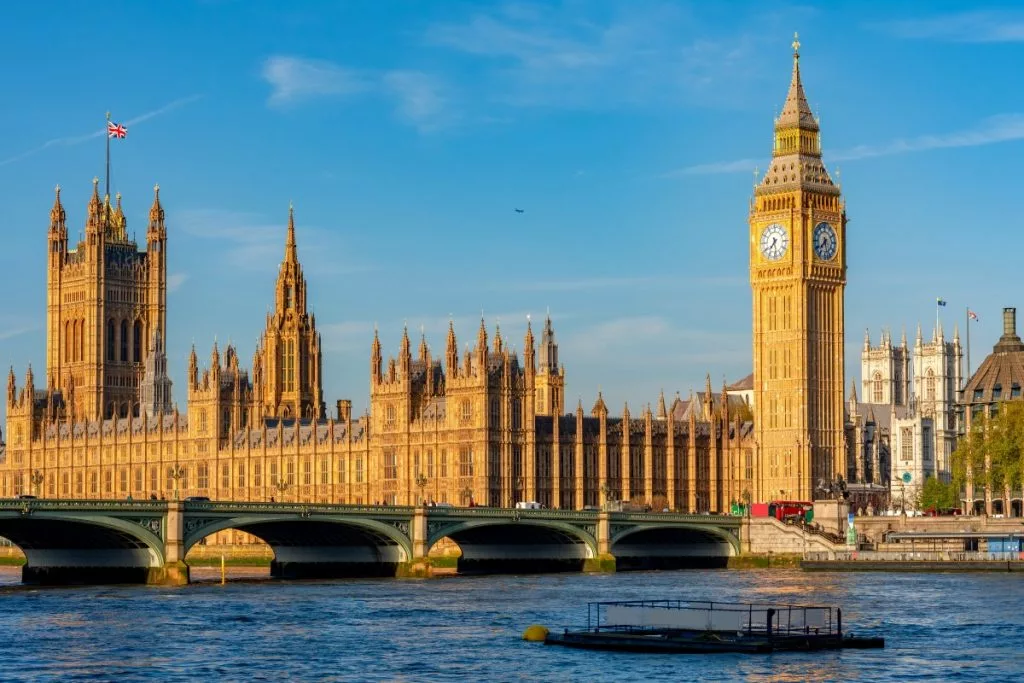
Following Nigel Farage’s visit to Gibraltar, it seems gambling taxation has become a battleground for almost every political party. On 25 October, Gibraltar's Trade and Industry Minister Nigel Feetham met with Farage and other Reform politicians to discuss the potential consequences of further UK gambling tax increases.
The meeting, reported by Gibraltar's public broadcaster GBC, was part of a wider effort to engage politicians across the political spectrum.
This meeting comes just days before the Autumn Budget, an interesting time for gambling policy. Labour has substantially increased taxes on online gambling, the Conservatives are defending their regulatory record, and politicians from several other parties are calling for tougher restrictions on gambling advertising.
But, how different are the positions of Britain's main political parties?
We examine where Labour, the Conservatives, Reform UK, the Liberal Democrats, and the Green Party stand on five major gambling policy issues.
Gambling Taxation: Will Operators Pay More?
Labour has already introduced some of the largest changes to Britain's gambling tax system in years.
Under the November 2025 Budget, Remote Gaming Duty (RGD) increased from 21% to 40% in April 2026.
A new 25% tax rate for remote betting profits is also scheduled for April 2027, replacing the existing 15% rate. Online betting on UK horse racing will remain at 15%. This is owing to operators' separate contributions through the Horserace Betting Levy.
Labour has deliberately maintained lower tax rates for land-based betting, recognising the sector's higher operating costs and contribution to employment.
This particular distinction has become a major political issue amid warnings that further increases to Machine Games Duty could threaten betting shops.
What Do The Other Parties Think of Gambling Taxation?
Reform: While Farage’s meeting with Nigel Feetham in Gibraltar has taxation at the heart of it, Reform UK are yet to release an official policy on gambling taxation.
The Conservatives: The last Conservative government concentrated heavily on regulatory reform, culminating in its 2023 Gambling White Paper. However, shadow sport and gambling minister Louie French has expressed concern over MGD rises.
The Liberal Democrats: They backed a compulsory gambling levy and in 2025, proposed doubling RGD from 21% to 42%.
The Greens: The Greens campaigning around gambling has largely focused on reducing harm, though they do support higher industry taxation and compulsory levies on gambling operators. These would then be used to pay for public health initiatives, addiction support, and community recovery services.
Gambling Advertising: Should Restrictions Go Further?
Gambling advertising is an area where there’s relative cross-party agreement. In September 2026, a House of Lords committee recommended a comprehensive ban on gambling advertising.
The committee argued that existing advertising restrictions were insufficient to prevent gambling-related harm. Although there is considerable cross-party support for tighter gambling advertising restrictions, politicians disagree over how far those restrictions should go.
The Conservative government published its Gambling White Paper in April 2023. This proposed stronger protections for consumers, achieved by working with sporting organisations to develop more responsible sponsorship arrangements.
Labour has continued to favour the same kind of regulation as laid out in the White Paper. However, in July 2026, they also launched a consultation on banning sponsorship by unlicensed gambling operators.
These proposals would prevent gambling companies without a UK Gambling Commission licence from sponsoring British sporting organisations and events.
The Lib Dem 2024 manifesto explicitly promised to restrict gambling advertising, without banning all advertisements. In September 2026, Christine Jardine also asked ministers what steps they had taken to review levels of gambling advertising.
The Green Party has considered restrictions on sports betting advertisements, promotional offers and gambling marketing. Green Peer Natalie Bennett said:
‘We cannot allow predatory firms to continue to fill our high streets and our computer screens, to barrage us with a flood of advertising, acting as a tax on desperation, doing enormous damage to individuals and communities, particularly the poorest communities.’
Player Protection: Is Current Regulation Enough?
The current system of gambling regulation has developed under successive Conservative and Labour governments.
Among the major proposals for the 2023 White Paper were:
- Stake limits for online slots
- Financial risk checks
- A statutory gambling levy
- Independent gambling ombudsman
Labour has continued implementing these reforms, with online slot stake limits and the statutory gambling levy now in effect. Financial risk assessments are being introduced in stages, while the independent gambling ombudsman has yet to be established.
The Liberal Democrats stance has been very similar to these changes. However, they also called for stronger action against illegal gambling operators in their 2024 manifesto and 2025 conference policy, as well as regulating Loot Boxes as gambling products.
The Greens too support stronger player protections, advocating for tighter restrictions on promotions and bonuses, as well as some MPs calling for more extensive monitoring of gambling activity.
Reform has no official policy on player protections, but Farage was very outspoken on the implementation of affordability checks. Speaking to The Sun, he described the checks as ‘killing traditional bookmakers… and killing the [horse racing] industry.’
Jobs and High Streets: Should Gambling Businesses Be Protected?
While politicians debate how gambling should be regulated, another question concerns the industry's place in Britain's economy.
Gambling businesses provide employment, contribute tax revenue and maintain premises on high streets across the country.
The Labour government has adopted two quite different approaches when it comes to existing businesses and new ones.
In August 2026, the Prime Minister announced plans to give communities greater control over betting shops opening on local high streets. The proposals included scrapping the existing aim to permit approach to gambling premises licensing and strengthening local authority powers.
Yet, the same government has explicitly protected land-based betting from some of its gambling tax increases, citing employment and higher operating costs.
The Lib Dems also called for the scrapping of aim to permit, so that local councils can implement Cumulative Impact Zones. Green Party councillors have also called for the scrapping of new casinos, bookmakers, and adult gaming centres.
Reform has not publicly commented on its policies regarding the high street. However, Farage's recent engagement with Gibraltar suggests its government is concerned that higher UK taxes could affect businesses operating from the territory.
Conservative politicians have also engaged with Gibraltar's representatives, suggesting these concerns are not confined to Reform. They have also proposed a welfare reform policy that would prevent benefit claimants from spending payments on gambling, amongst other things.
Sport: Horse Racing, Football, and Greyhounds Lead the Debate
British sport presents a challenge for policymakers, as gambling is both a commercial partner and a potential source of harm.
Following discussions with the Conservative government, in April 2023, the Premier League announced that clubs had collectively agreed to withdraw gambling sponsors from the front of matchday shirts. The voluntary change took effect from the 2026/27 season.
Labour has continued working with sporting bodies on responsible gambling sponsorship while pursuing restrictions on unlicensed operators. They also recognised the arrangement between bookmakers and the Horserace Betting Levy when imposing the 2025 tax reforms. This saw horse racing bets take a lower tax rate, to account for the special relationship between the sport and gambling.
The Green Party adopted a policy supporting an immediate ban on greyhound racing and the use of the whip in horse racing. This was focused on animal welfare, but would make ripples through both industries if enforced. They also suggested a higher levy from which funds could be used to improve animal welfare.
Does Gambling Policy Really Follow Party Lines?
Despite differences between the five parties, gambling policy doesn't necessarily follow traditional political divisions.
The All-Party Parliamentary Group on Gambling Reform, brings together MPs and peers from Labour, the Conservatives, Liberal Democrats, and Greens.
Its chair is former Conservative leader Sir Iain Duncan Smith, while Labour MPs Alex Ballinger and Beccy Cooper, and Liberal Democrat peer Lord Foster of Bath hold senior positions.
Their shared objective is to examine how gambling regulation can be reformed to prevent harm. This clearly demonstrates that support for stronger protections is not exclusive to one political party.
However, cross-party cooperation doesn't necessarily translate into agreement on specific policies.
It’s clear that many politicians favour greater restrictions on gambling advertising, with many of those looking to reduce licensed and/or unlicensed sponsorship. Some parties have focused on protecting employment, as well as the sports industries, in particular horse racing. Some have prioritised bettors’ right to privacy, others have prioritised their protection at the cost of privacy.
While these priorities sometimes conflict, there are often workarounds. Labour's approach, for example, combines higher online gambling taxes and stronger consumer protections with some protections for land-based operators.
With the Autumn Budget approaching, taxation will be the most evident battleground for the next few weeks. But, it’s important to remember that the differences between the parties extend well beyond how much bookmakers should pay.
The more revealing question may not be whether politicians support or oppose gambling, but how they balance its economic contribution against the potential harm it can cause.
-
Where Do the UK's Political Parties Stand on Gambling? | Analysis
-

Kimi Antonelli On Verge Of Becoming Formula 1 Champion After USA Win
-
YouGov Poll Reveals Vital Role Betting Shops Play on the High Street
-

Eight Arrested in Illegal Gambling Raids on Busy London Borough
-

Three Taking Points Ahead of Super Sunday
-
Premier League Predictions Today: EPL Betting Tips for 25 October