What the Betfred Super League Sponsorship Ending Could Mean for Rugby League
Betfred is reportedly planning to end its Super League title sponsorship after almost a decade. This could well mark more than the conclusion of one of rugby league's longest-running commercial partnerships.
This move also sparks wider questions about the sport's commercial future, the role gambling companies continue to play in rugby league, and how operators are choosing to spend their marketing budgets, all in an increasingly challenging regulatory environment.
It’s been reported this week that Betfred's title sponsorship is unlikely to be renewed beyond the 2026 season. Although neither the bookmaker nor RL Commercial has officially confirmed the reports, RL Commercial are understood to have started exploring new title sponsorship opportunities.
If confirmed, the move would bring to an end a partnership that has expanded far beyond the men's Super League to include the Challenge Cup, Women's Super League, Wheelchair Rugby League and the World Club Challenge.
Part of the Rugby League
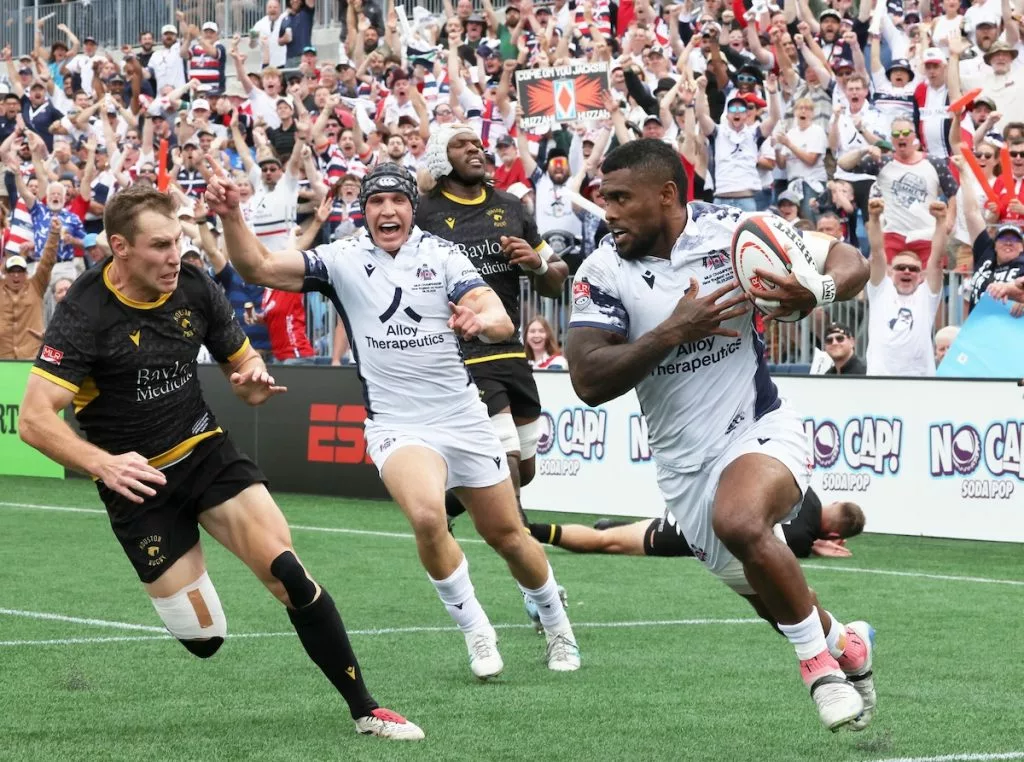
Over the past decade, Betfred has become synonymous with rugby league. The company’s involvement extended well beyond the Super League. They had a noticeable presence across multiple competitions, thanks to one of the longest-running commercial partnerships in British sport.
Ahead of the current season, Betfred's Head of Corporate Affairs and Communications, Mark Pearson, described the partnership as ‘part of our brand’. He added that rugby league's northern, working-class roots closely reflected the company's own identity and pointed to Betfred's sponsorship of the women's and wheelchair competitions as evidence of its long-term commitment to the sport.
That genuine enthusiasm makes the reported decision all the more notable.
Difficult timing for Betfred
The reports come only days after Betfred announced plans to close 132 betting shops across the UK, placing around 600 jobs at risk.
The company blamed higher gambling taxes, rising National Insurance contributions, and wage inflation for the closures. CEO Jo Whittaker said the current fiscal and regulatory environment had made it ‘impossible’ for some shops to remain profitable.
The Betting and Gaming Council said the closures demonstrated the consequences of the government's tax policy. The trade body warned that additional pressure on licensed operators would damage Britain's regulated gambling industry while strengthening the unlicensed black market.
There is currently no suggestion that those financial pressures are directly responsible for the reported decision to end the Super League sponsorship. However, it could be a significant indication that Betfred may be reassessing parts of its wider marketing and sponsorship strategy.
Why the Super League?
What makes the reported move particularly interesting is that Betfred has not stepped back from sports sponsorship altogether.
Earlier this year, the bookmaker renewed its sponsorship of all five British Classics, extending a partnership that only began in 2025. Whittaker described the agreement as a landmark achievement for the company, saying supporting British racing remained a priority and a source of pride for founder Fred Done.
That contrast suggests the issue may not simply be one of reducing sponsorship spend, but instead allocating spend more precisely. While horse racing remains intrinsically linked to betting, rugby league may not generate the same betting activity. While the brand exposure from the Super League is certainly important, it could be that the commercial priorities of Betfred have changed too far beyond the scope of rugby league.
-

UFC 331 Predictions, Odds & Betting Tips: Big Night in Los Angeles
-
Premier League Predictions Today 19/09: Gunners to Maintain 100% Record
-
Igor Thiago On Scoresheet as Brentford Stun Rivals Chelsea
-

Horse Racing Tips: Ed Quigley’s Newbury Best Bets for Saturday, 19 September
-

House of Lords Recommends Complete Gambling Ad Ban In the UK
-
Max Verstappen Overtakes 100 Amateur Go-Karters In Silverstone Exhibition