UK Powerball Loophole Could Be Closed Under New Gambling Rules
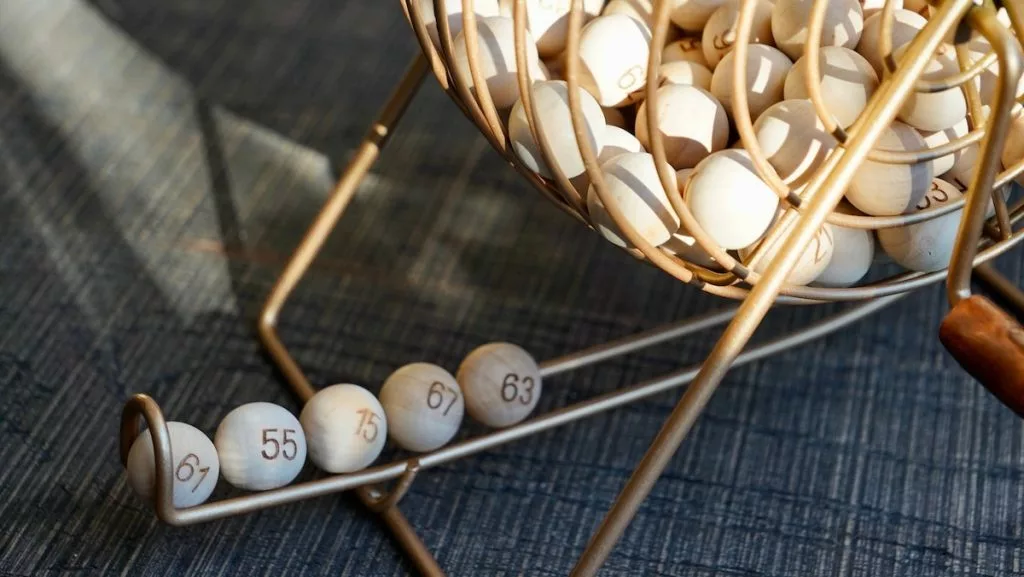
The government is considering the introduction of new gambling rules that would stop bookmakers taking bets on Powerball draws.
Powerball officially joined the National Lottery in July. For the first time, UK players had legal, direct access to the enormous jackpots previously associated exclusively with the US.
However, there is an unusual legal quirk. While bookmakers are generally prohibited from taking bets on National Lottery draws, they can currently offer bets on the Powerball numbers used to determine UK prizes.
The Department for Culture, Media and Sport has now launched a six-week consultation on plans to close that loophole.
If introduced, a new licence condition would prohibit licensed gambling operators from offering bets on Powerball to customers in Great Britain.
Why Can Bookmakers Take Bets on UK Powerball?
Under Section 95 of the Gambling Act 2005, betting operators are prevented from taking bets on the outcome of a lottery that forms part of the National Lottery.
This means bookmakers cannot offer their own bets on the results of Lotto, Thunderball or other National Lottery draws. Powerball, however, is different.
The National Lottery launched its UK version of Powerball on July 21, 2026. But, the numbers used to determine the results still come from the underlying US Powerball draw. That US lottery does not form part of the National Lottery.
As a result, Section 95 does not currently prevent a licensed bookmaker from allowing a customer to bet on the outcome of the US Powerball draw. Even though, those same numbers are also being used for an official National Lottery product.
Before the National Lottery launched Powerball, a small number of UK gambling companies were already offering this type of bet. Since July, however, British customers have had two very different ways of staking money on effectively the same draw.
They can buy an official £4 National Lottery Powerball entry, or they can place a bet with a licensed gambling operator predicting the Powerball result.
Playing Powerball and Betting on Powerball Are Not the Same Thing
Although the outcome may depend on the same numbers, playing Powerball through the National Lottery and betting on Powerball through a bookmaker are legally different products.
When someone buys an official National Lottery Powerball ticket, they are participating in the National Lottery game.
A customer using a betting operator does not buy a Powerball entry at all. Instead, they enter into a bet with the gambling company based on what numbers will be drawn.
The government is concerned that customers may not always understand this distinction.
Its consultation points to previous evidence surrounding EuroMillions, a loophole which has since been closed. Here officials found customers could become confused when lottery betting products were offered alongside the official National Lottery game.
Government Says Powerball Bets Could Affect Good Causes
Currently, around 23% of National Lottery sales go towards good causes. The lottery generates around £1.8 billion each year for projects covering areas including sport, arts, heritage, and local communities.
Allwyn expects Powerball alone to generate around an additional £1 billion for UK good causes during its first five years.
The issue the government faces is that third-party bookmakers have no equivalent obligation when accepting bets on lottery results.
Customers choosing a bookmaker, instead of buying an official Powerball entry, could perhaps unknowingly reduce the amount generated for good causes.
The consultation will remain open until November 4, with the government seeking views from operators and consumers.
For now, bookmakers can continue taking bets on Powerball results. However, the proposed change would bring the game into line with other National Lottery products and close a loophole created by its unusual reliance on a US draw.
If the new licence condition is introduced, UK customers would still be able to play Powerball through the National Lottery, but not bet on the same draw through a licensed bookmaker.
-
UK Powerball Loophole Could Be Closed Under New Gambling Rules
-

England vs. Spain Prediction, Odds & Tips: Spain to Inflict More England Woes
-

Azerbaijan Grand Prix 2026 Odds and Betting Tips: Russell To Win
-

Mbappe Injury Blow in France Win
-

Horse Racing Tips: Ed Quigley’s Newmarket Best Bets for Saturday, 26 September
-
Industry Gross Gambling Yield Reaches £17.5 Billion In 2025/26