UK Government Rejects House of Lords’ Gambling Ad Ban Plan
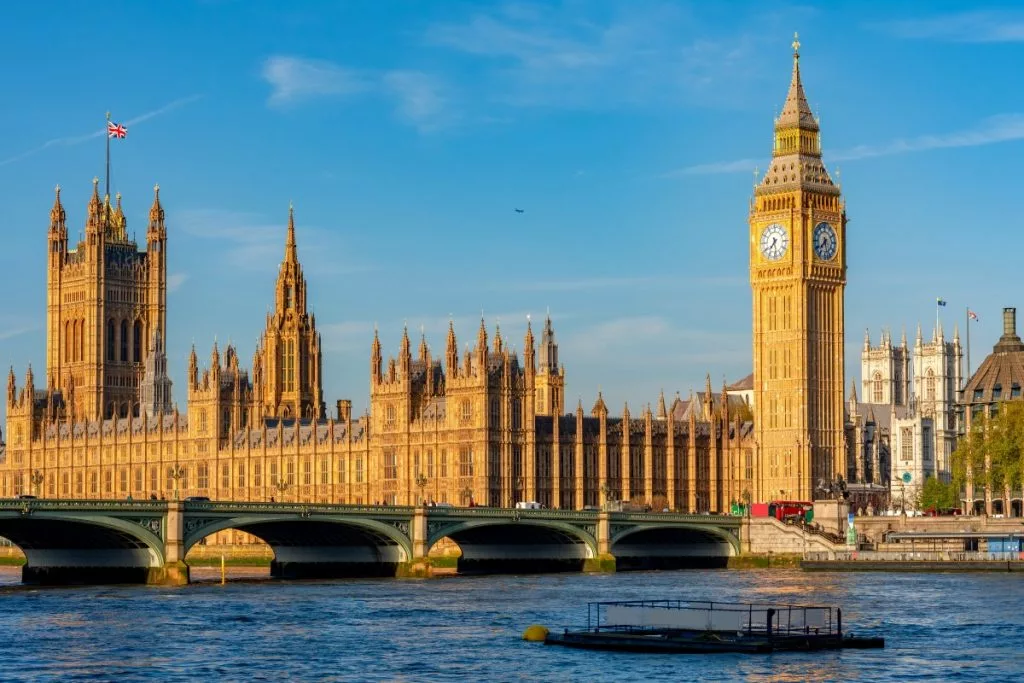
The government has rejected calls from the House of Lords to implement a complete blanket ban on gambling adverts in the UK.
Back in September, the committee published a 173-page dossier demanding a series of legal changes to the sector, including a veto on ads and a prohibition on any form of gambling sponsorship in sport.
Taking their time to respond, the government finally issued their response this week – and they wholesale rejected all of the proposals put forward by the Lords.
House of Lords’ Gambling Ad Ban
The , titled ‘Gambling Harm – Time for Action’, described previous governments as being ‘too passive’ in dealing with the technological changes of the past decade or so and how they have impacted the betting sector.
They argue that the industry has benefitted from leniency in how operators are allowed to advertise themselves on TV, radio and social media, as well as the partnerships penned with content creators and influencers – many of whom appeal to a youthful audience.
“Advertising was restricted on the basis that gambling should be tolerated but not stimulated,” the committee wrote. “Since 2005, the volume of gambling advertising has exploded, with the industry spending over £1 billion each year on ads.”
And so their dossier, published on September 17 this year, called for a host of radical changes:
- A complete ban on gambling ads at all times
- Preventing operators from signing ‘gambling partner’ deals with all football clubs
- Prohibiting shirt sponsorships between betting firms and EFL clubs
- Creating a governmental body to regulate gambling advertising
The House of Lords accepted that a blanket ban on gambling marketing would only serve to benefit the black market, who would continue to find ways to advertise – most likely on the social media channels operated by Meta, who have been taken to court in France and the Netherlands for their inability to stop illegal betting sites from advertising on Facebook and WhatsApp.
The Government’s Response
The , published by the government on Thursday, rejected each of these four major proposals.
Ministers issued a comprehensive take-down of the gambling ad ban idea, stating that legitimate operators ‘should be able to responsibly advertise the services they offer.’
“A widespread ban would not be targeted at those who are most vulnerable, including young people,” the report continues. “It would likely have negative knock-on impacts for sectors supported by advertising, enjoyed by millions across the country.
“It may even increase the risk of harm in some cases – for instance, by making it harder to distinguish legitimate operators from those on the black market.”
Gambling Ads in Football
With regard to the connection between gambling operators and football, the government praised the Premier League for their voluntary ban on front-of-shirt sponsorships, before refusing to implement a ban on similar deals for training kit, advertising boards and the like.
“These sponsorship arrangements have been developed within the existing regulatory framework for gambling advertising and sponsorship, which the government believes is robust.”
The English Football League (EFL) will also be allowed to with betting firms. The government’s report recognised the ‘stark revenue gap between the Premier League and the English Football League’, and noted that EFL clubs ‘rely heavily on sponsorship, commercial revenue and matchday income.’
Instead, the lower tiers of the English football pyramid will be allowed to set their own agenda on gambling partners; much like the Women’s Super League (WSL), who confirmed this week that they will not green light such agreements.
Concluding their report, the government writes: “Reducing gambling-related harm remains a key objective for the government as part of its work on gambling reform, and we take the protection of children and young people very seriously.”
-
UK Government Rejects House of Lords’ Gambling Ad Ban Plan
-

Horse Racing Tips: Ed Quigley's Best Bets for Ascot and Haydock
-
West Ham vs Preston Odds, Predictions & Tips: North End Face a Hammering
-

Middlesbrough vs Bristol City Predictions, Odds & Tips: Boro To Win
-

Man City Aiming to Avoid 4th Straight Premier League Loss
-
Liverpool vs Manchester United Odds, Tips & Predictions: Huge Anfield Clash