Safer Gambling Week: A Decade On, Has It Made Gambling Safer?
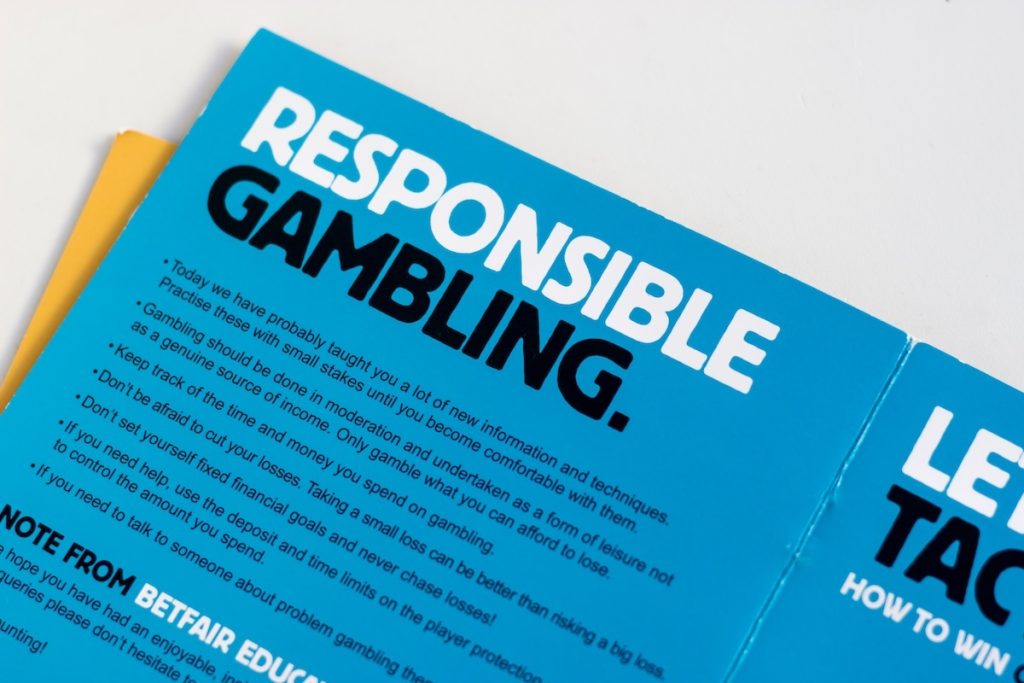
Safer Gambling Week 2026 begins today. This marks the tenth edition of an industry initiative designed to encourage responsible gambling across the UK and Ireland. After a decade of campaigns, millions of advertising impressions, and enormous engagement, has it actually made a difference?
The Betting and Gaming Council certainly believes so. Its latest figures show record numbers of customers setting deposit limits, engaging with gambling safety messages, and using tools designed to help them stay in control.
However, independent research paints a more complicated picture. Some studies have questioned the effectiveness of voluntary deposit limits, while others suggest certain safer gambling advertisements could actually increase the urge to gamble.
With the recent introduction of the statutory gambling levy, we could now have a better opportunity to properly understand which interventions genuinely prevent harm.
So, ten editions into Safer Gambling Week, what has the campaign achieved, and is there evidence that UK gamblers are any safer as a result?
Safer Gambling Week Continues to Break Records
Safer Gambling Week runs from 16 to 22 November this year, bringing together bookmakers, casinos, bingo halls, amusement arcades, and online gambling operators.
Organised by the BGC, Bacta, and the Bingo Association, the campaign encourages customers to discuss gambling, recognise potential risks, and use protection tools.
The initiative has expanded considerably over the years, and its latest engagement figures are testament to that.
According to, the 2025 campaign achieved:
- 281,000 deposit limits: Set by 153,960 different account holders, a 41% year-on-year increase.
- 10.95 million safer gambling messages: Delivered to customers, up 75% from 2024.
- 182 million online advertising impressions: A 27% increase on last year.
- 68% higher operator spending on safer gambling advertising: When compared with the previous year.
It was also the fourth consecutive year in which the number of unique account holders using at least one safer gambling tool increased during the campaign.
Encouraging customers to engage with gambling protection tools is a worthwhile objective, particularly when some might otherwise never consider setting financial limits. The increase in deposit-limit activity is especially significant because it represents customers taking action, rather than simply encountering advertising.
However, the figures also reveal an important limitation in how Safer Gambling Week's success is measured. Advertising impressions demonstrate exposure. Messages delivered demonstrate communication. The number of deposit limits set tells us that customers have engaged with a particular tool.
None of these figures establish whether customers subsequently gambled less, or avoided gambling-related harm.
That is certainly not to say the campaign has failed. But, it does mean its most celebrated achievements are not necessarily evidence of its ultimate effectiveness.
Do Deposit Limits Actually Make Gambling Safer?
Deposit limits are central to Safer Gambling Week. This is arguably because they’re one of the most practical protections available to online bettors. Customers can restrict how much money they deposit into gambling accounts over a specified period.
This potentially could prevent them from depositing additional funds during an impulsive gambling session. However, the effectiveness of voluntary deposit limits is less straightforward than it might appear.
In February 2025, the Gambling Commission published.
Following a review of international research, the ABSG concluded that voluntary deposit limits were not widely used and generally had little impact on subsequent net losses.
It also found that they were particularly ineffective among customers already at risk of gambling-related harm.
While these findings do not reflect well on deposit limits, it’s important to remember that there is a fundamental difference between setting a limit and setting an effective limit.
A customer who typically deposits £100 per month could establish a £1,000 monthly limit without meaningfully restricting their gambling. Another might set a considerably lower limit that prevents them from depositing money they cannot afford to lose.
Both actions would contribute to campaign engagement figures. Both would have very different consequences.
Has Gambling-Related Harm Declined?
The true test of Safer Gambling Week is in whether it has improved has gambling-related harm across the wider population. This is exceptionally difficult to test accurately, as SGW is only a week long and measuring gambling related harm is difficult in itself.
The UKGC’s found that 2.4% of adults scored eight or more on the Problem Gambling Severity Index (PGSI). A score of eight or more indicates the highest-risk category within the index.
The Commission's accompanying found relatively few significant changes across the principal measures examined.
For example, the proportion of respondents who had gambled within the previous four weeks remained broadly stable, falling slightly from 48% in 2023 to 47% in 2025. The proportion scoring zero on the PGSI also remained relatively unchanged, increasing from 76.1% to 76.9%.
These findings suggest that gambling participation and risk indicators have remained broadly stable over the three-year period, despite growing engagement with safer gambling initiatives.
The important finding is not that Safer Gambling Week has failed to reduce harm. It is that the available evidence cannot establish how much harm the campaign has prevented.
Could Safer Gambling Advertising Actually Encourage Gambling?
An uncomfortable question worth considering: could some messages designed to discourage harmful gambling unintentionally encourage people to gamble?
A examined how different gambling advertisements affected participants' urges to gamble.
Researchers recruited 2,741 participants and compared the effects of conventional gambling promotions, operator-produced safer gambling advertisements, GambleAware campaigns, and a control group of unrelated advertising.
They found three different reactions:
- An increase in gambling urges for: conventional gambling promotions and operator-produced safer gambling advertisements.
- No change to gambling urges for: the Gamble Aware Bet Regret campaign and the control advertisement.
- A decrease in gambling urges for: the Gamble Aware Stigma Reduction campaign.
These findings suggest that the content and presentation of safer gambling messages can significantly influence their effectiveness. While SGW advertisements weren’t specifically used, it does raise questions over whether engagement with SGW’s safer gambling adverts alone can necessarily be taken as a net positive.
Could the New Statutory Gambling Levy Make Safer Gambling Week More Effective?
One recent development could help address the slight current lack of independent evidence surrounding Safer Gambling Week. That is, the introduction of the statutory gambling levy.
Introduced in April 2025, the levy replaces the previous system of voluntary industry contributions with mandatory payments. These are used to fund gambling harm research, prevention, and treatment.
It raised almost £120 million in its first year, with 20% allocated to research, 30% to prevention, and the remaining 50% to treatment and support services.
has established a dedicated research programme on Gambling, with approximately £20 million in average annual funding from 2025 to 2030.
The programme supports independent studies into gambling-related harm, with the aim of improving prevention strategies, informing public policy, and addressing gaps in existing evidence.
The Office for Health Improvement and Disparities (OHID) is leading prevention activity in England, alongside the Scottish and Welsh Governments.
In a, the government confirmed that OHID would adopt a test and learn approach to identify which interventions are most effective at preventing gambling harm. This includes developing a better understanding of what works at local, regional and national levels.
Could Independent Research Improve Future Campaigns?
This new funding creates an opportunity to answer some of the questions surrounding Safer Gambling Week and gambling-related harm more largely.
For example, researchers could investigate whether voluntary deposit limits genuinely reduce harmful spending. They could investigate which safer gambling messages lead to meaningful behavioural changes, or whether certain groups benefit more from particular interventions.
For SGW, being able to move away from generalised awareness messages towards targeted campaigns based on proven prevention strategies, could be game changing. We could become aware of unintended consequences more quickly and with more certainty too.
While the levy does not fund or specifically evaluate Safer Gambling Week, the work that happens because of this levy could be invaluable to the campaign.
So, Has Safer Gambling Week Made Gambling Safer?
After ten years, Safer Gambling Week has successfully encouraged greater engagement with gambling safety tools, signposted many towards safer gambling support, and reached millions upon millions of individual viewers. That is certainly something to be celebrated. In fact, SGW has achieved all three of its goals: talk, take action, get support.
However, the available evidence still tells us considerably more about how many customers receive its messages, than how many are genuinely helped by them.
It’s possible that the research funded by the statutory gambling levy will offer an opportunity to change that. With substantial independent funding now available for research and prevention, future campaigns could be shaped by stronger evidence about what actually reduces gambling-related harm.
While the number of people setting a deposit limit during Safer Gambling Week is a brilliant measure of engagement and something to be celebrated, in future years SGW may have its sights set even higher.
Going forward, SGW could have the tools to thoroughly investigate not just how many people set that limit, but how many people gambled more safely as a result.
-
Safer Gambling Week: A Decade On, Has It Made Gambling Safer?
-

IG Group’s Share Value Plummets Despite Prediction Markets Move
-

Trafford Shines in England’s Stunning Win in Spain
-

ATP World Tour Finals Odds, Tips & Predictions: Alcaraz On Top In Turin
-

Switzerland vs Scotland Predictions, Odds & Tips: Swiss Too Strong for Scots
-

England Squad Trimmed For Spain Test As Three Stars Left Out