Royal Ascot's £40m Black Market Problem Is Also A Problem For Racing
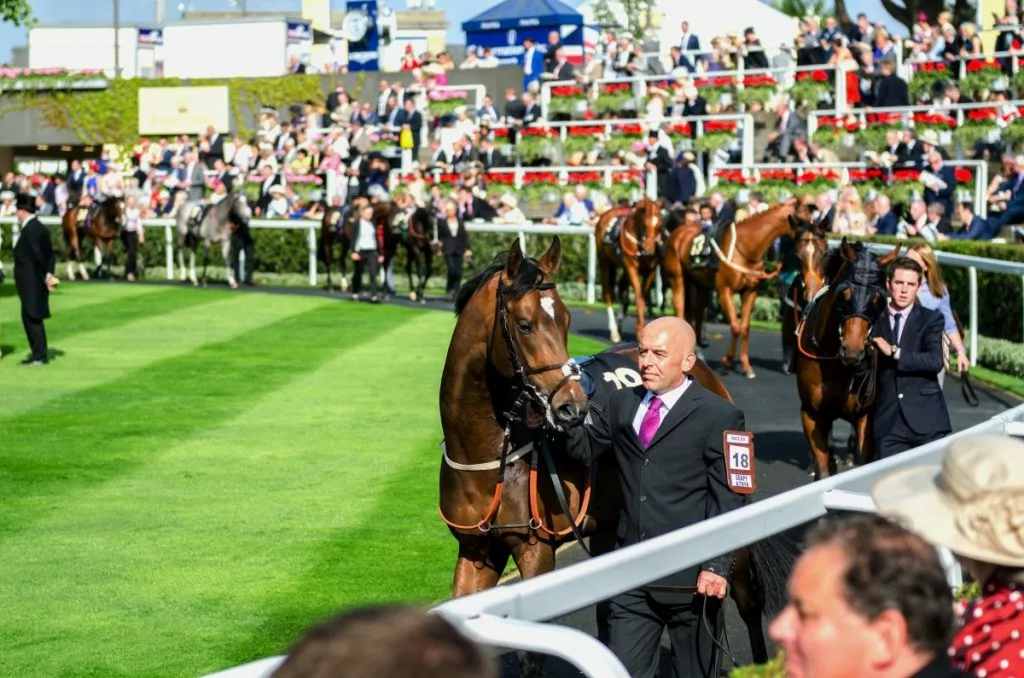
The Betting and Gaming Council unleashed figures this week estimating that illegal bookmakers will take £40 million in bets over the week-long Ascot festival. Perhaps the most striking thing isn't the amount of money flowing through the black market, but rather the amount British racing won't see.
Discussion around illegal gambling operators tends to focus on consumer protection. After all, unlicensed bookmakers don't follow British regulations, don't carry out the same safer gambling checks and offer little recourse when things go wrong.
Yet, there is another issue. Every pound staked with an illegal operator is a pound that contributes nothing to the sport itself. In horse racing this is particularly poignant as the Horse Racing Betting Levy Board actually gives back some of the levy that legal operators pay on gambling yield.
Why the Black Market Steals Twice from Horse Racing
When money is wagered with an illegal bookmaker, racing doesn't just lose a betting customer, it also loses a source of funding.
Licensed bookmakers are required to pay the Horserace Betting Levy. This is a statutory charge based on the profits they generate from British racing bets. The money is collected by the Horserace Betting Levy Board (HBLB), which redistributes around 90% of the funds it raises back into the sport.
That funding reaches almost every corner of racing. Prize money is the most visible beneficiary, but levy money also helps cover raceday integrity costs, supports equine welfare programmes, funds retraining initiatives and contributes towards veterinary research and education.
Illegal operators don’t contribute to the HBLB or to the UK government via tax.
That means that the customer may be betting on the same race, backing the same horse and following the same festival. Yet, their money disappears entirely from the racing ecosystem.
That is what makes black market betting particularly damaging for horseracing. While other sports certainly lose out when gambling activity moves offshore, racing is one of the few sports with a direct financial link between betting activity and the funding of the sport itself.
Royal Ascot Has Spent Years Expanding Racing's Legal Betting Audience
Royal Ascot is one event that’s taking new initiatives to encourage betting money to stay within legal channels.
The clearest example is the World Pool initiative, which has become a major feature of the meeting. Operated by the Hong Kong Jockey Club, World Pool combines bets from more than 25 countries into a single pari-mutuel pool. This creates larger liquidity and often bigger potential returns for customers. On top of this, it's also keeping money out of the hands of the black market.
For Ascot, the benefits extend far beyond offering another way to bet. The initiative directly helps British racing monetise its growing international appeal. It allows racing fans from around the world to engage with the sport through regulated betting markets.
Last year’s meeting generated around £150 million through the World Pool alone, money that would almost certainly not have been wagered with UK bookmakers. This year it’s expected that even more money will be wagered across the remainder of the festival.
-
Everton Starlet Fined for Betting … But Avoids Ban from Football
-
West Ham vs QPR Prediction, Odds & Betting Tips: Hosts Too Strong?
-
Championship Gets Back Underway with All-London Friday Night Clash
-

Betano Signs Euro 2028 Sponsorship Deal Despite UK Gambling Ad Restrictions
-

Arsenal Duo Set For New Contracts
-
Heat Hazard Declared By Formula 1 For Singapore Grand Prix