Premier League Gambling Shirt Ban Leaves Clubs Facing Sponsorship Shortfall
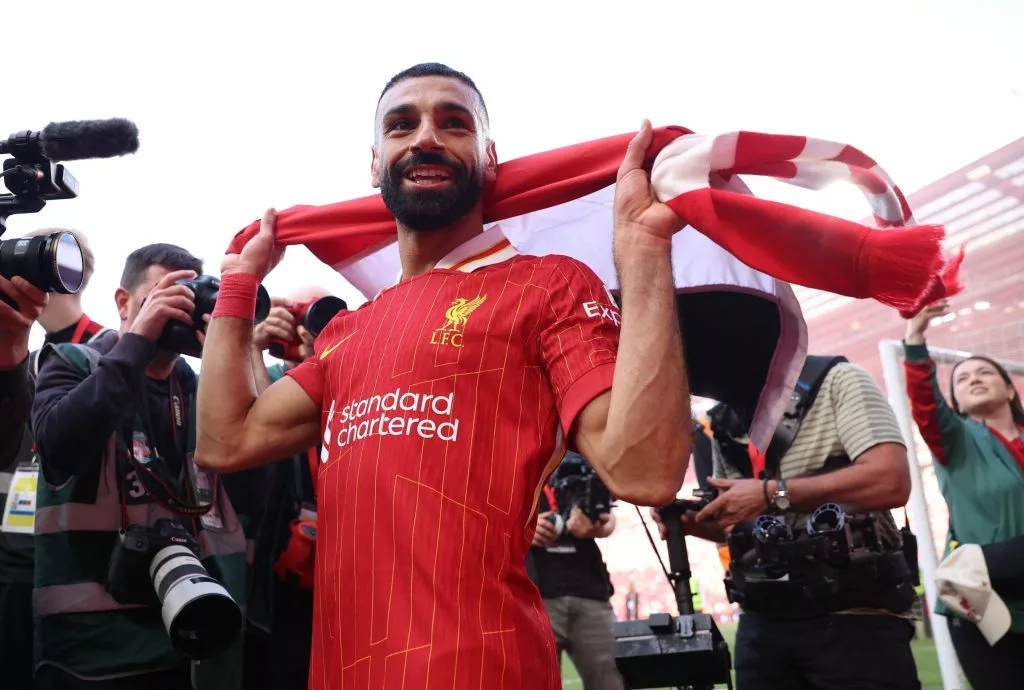
The Premier League has kicked off without a gambling operator on the front of a club shirt for the first time in more than two decades.
All teams in the EPL agreed to the voluntary front of shirt gambling sponsor ban. This decision fairly suddenly left quite a lot of sponsorship space up for grabs and it seems finance and tech companies have been the biggest beneficiaries.
While replacing the gambling sponsors seems to have been achieved quickly, achieving the same levels of payment might not have been.
Reports ahead of the 2026/27 season suggested some Premier League clubs could lose around half of their previous front-of-shirt sponsorship income after gambling companies were removed from the market.
It’s also notable that betting operators haven't disappeared from the Premier League altogether. Instead, some are spending millions on training kits, sleeves and other sponsorship opportunities that remain permitted under the rules.
Betting Out, Finance In?
Finance is now the most common sector on Premier League shirt fronts, accounting for six of the 20 clubs. Some are longstanding partnerships, including Brighton's deal with American Express, Liverpool's with Standard Chartered and Tottenham's with AIA. However, Everton have replaced Stake with CMC Markets, while Nottingham Forest have turned to Marex.
Technology companies account for another five clubs. Manchester United retain Snapdragon, while Brentford have upgraded Indeed to front-of-shirt sponsor and Fulham and Crystal Palace have signed deals with ClickHouse and Temporal respectively.
However, that doesn't mean gambling companies have packed their bags.
Betting logos remain permitted on sleeves and shorts, with Aston Villa, Bournemouth and Everton among the clubs retaining gambling sponsors elsewhere on their kits.
Manchester United have gone considerably further, agreeing to a £20 million-a-year deal with Betway. This deal sees the operator on United's training kit, as well as pitchside hoardings and television interview backdrops.
Others have looked outside the Premier League. As we reported earlier this week, seven Championship clubs now have gambling front-of-shirt sponsors. Midnite alone is partnering with three teams.
The ban has undoubtedly removed gambling from the Premier League's most valuable advertising position. But, has it managed to significantly reduce betting's relationship with football? That’s less clear.
Is Voluntary Ban Costing the Premier League?
One of the reasons that gambling companies became so prevalent on Premier League shirts, may be because of the sums they were willing to pay.
Ahead of this season, The Guardian reported that sponsorship offers to clubs outside the traditional Big Six had fallen by around 50%. Bournemouth and Brentford were reportedly among those facing the biggest drops. These clubs saw replacement deals worth around £4 million to £5 million per year. One club executive estimated the collective cost to Premier League teams could reach £80 million.
In 2023, Aston Villa told its Fan Consultation Group that gambling companies were typically willing to pay clubs, outside the Big Six, around twice as much as companies from other industries.
The amount at stake also grew considerably between the ban being agreed and actually taking effect. When Premier League clubs announced the change in 2023, there were eight gambling front-of-shirt deals. These were estimated to be worth around £60 million annually. By the 2024/25 season, gambling front-of-shirt sponsorship across the Premier League was valued at more than £100 million.
That doesn't mean every club is now earning less. Nottingham Forest, for example, have reportedly secured a £25 million multi-year agreement with Marex. But, for the smaller clubs that became particularly reliant on betting money, replacing the logo and replacing the revenue appear to be two very different challenges.
-
Arsenal vs Leeds Prediction, Odds & Betting Tips: Gunners Back With a Bang
-
Saturday Horse Racing Tips: Newmarket and Chepstow Best Bets From Ed Quigley
-
Everton Starlet Fined for Betting … But Avoids Ban from Football
-
West Ham vs QPR Prediction, Odds & Betting Tips: Hosts Too Strong?
-
Championship Gets Back Underway with All-London Friday Night Clash
-

Betano Signs Euro 2028 Sponsorship Deal Despite UK Gambling Ad Restrictions