Premier League Gambling Messages Down 10.5% Following Sponsor Ban
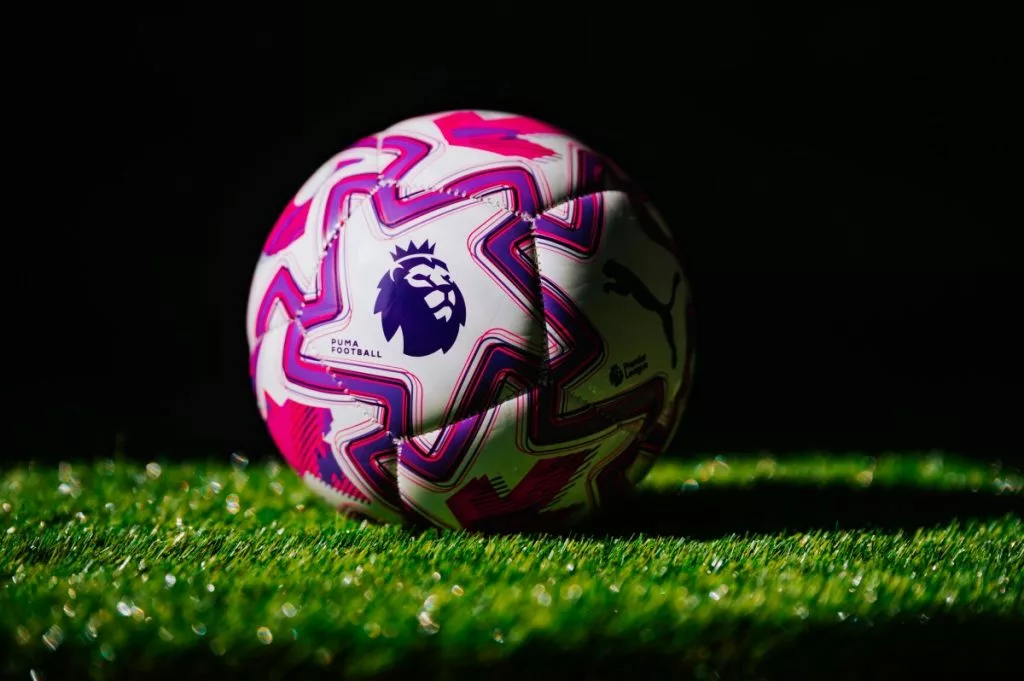
A new study from the University of Bristol confirms that the voluntary ban on allowing betting firms to sponsor the shirt fronts of Premier League clubs has delivered a reduction in the number of gambling messages being displayed during games.
The logos and branding of betting operators enjoyed 10.5% less screen time during the opening weekend of the 2026/27 season than they had in the year prior, the research found.
However, the number of gambling promos shown during the first round of games was still 41% higher than the corresponding weekend of the 2023/24 season… leading campaigners to argue that the ban doesn’t go far enough in preventing young people and vulnerable adults from being marketed to by betting firms.
Voluntary Sponsorship Ban
Although front-of-shirt sponsorships have been vetoed, there’s still numerous other ways in which Premier League clubs can showcase their official betting partners.
Pitchside advertising hoardings, kit sleeves and shorts, interview backdrops and training wear have all circumnavigated the ban, which is why a staggering 15,571 instances of ‘gambling messages’ were recorded by the University of Bristol.
On a game-by-game basis, that worked out at 2,449 messages per match… around five times as many shown during NFL and NBA broadcasts in the stricter American market.
Ban ‘Barely Scratches Surface’
When measured as a unit of time, the researchers found that betting ads were displayed during the opening weekend of Premier League games for around 20% of the entire broadcast period.
Of that, around three-quarters of the screen time saw gambling branding displayed on pitchside hoardings.
Unsurprisingly, the anti-betting fraternity has jumped on the findings, with Iain Duncan Smith – the co-chair of the All-Party Parliamentary Group for Gambling Reform – describing the voluntary ban as ‘failing’.
“After repeated promises of reform, fans continue to be exposed to thousands of gambling messages during Premier League coverage,” he said. “The front-of-shirt restriction has barely scratched the surface of the issue. We cannot continue to rely on the gambling and football industries to regulate themselves.”
Circumnavigating the Ban
Eleven Premier League clubs were left without a sponsor by the prohibition, although nearly all of those – Sunderland are the only EPL team without a sponsor, at the time of writing – have since found a replacement from an alternative industry.
But those deals will have almost certainly been at a much lower rate than their previous betting partners, so clubs have been creative in finding ways to source additional revenue.
Six Premier League clubs, including Aston Villa, Bournemouth and Nottingham Forest, have gambling sponsorship on the sleeves of their playing shirt, while two others have turned to cryptocurrency exchanges for marketing income.
And giants of English football including Manchester United and Tottenham have signed lucrative training kit sponsorship deals with Betway and Betano, meaning that children and adults can purchase merchandise from the club shop displaying the logo of a gambling operator.
‘Little Meaningful Change’
Reflecting on the study’s findings, Dr Raffaello Rossi – the senior lecturer in marketing at the University of Bristol Business School and co-director of Bristol Hub for Gambling Harms Research – commented that the voluntary ban on shirt sponsorship had done little to distance the relationship between the Premier League and betting.
“Our analysis shows that the season’s most anticipated reform delivered little meaningful change in overall exposure to gambling ads,” Rossi said.
A Premier League spokesperson replied: “The Premier League and our clubs take their responsibilities around gambling sponsorship seriously and fully recognise the importance of protecting children and people at risk of gambling-related harm.
“We will continue working constructively with government, other football bodies and wider sport.”
-
Premier League Gambling Messages Down 10.5% Following Sponsor Ban
-
Flutter Layoffs Reach 1,400 as Gambling Tax Pressure Mounts
-
Big Week in Champions League for English Sides
-
Champions League Predictions Today: Best Bets for 20 October
-

Wolves vs Portsmouth Prediction, Odds & Betting Tips: A Tight Wolves Win?
-
UEFA Gives FIFA President Infantino 2-Week Deadline To Release Documents