Is Football Putting Sponsorship Money Ahead Of Gambling Safety? | Analysis
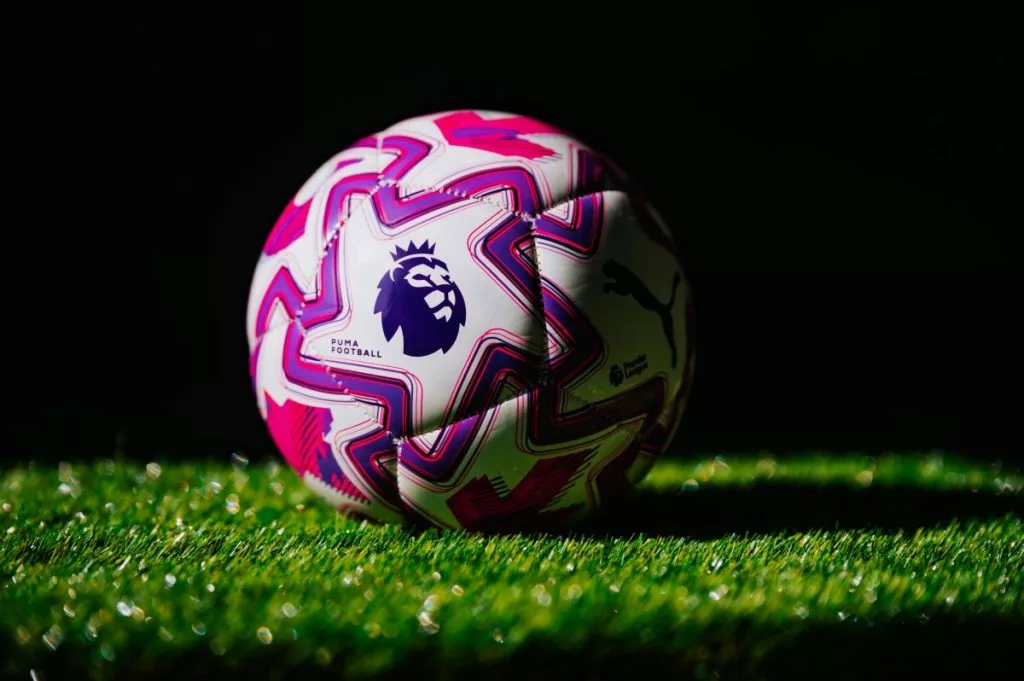
The beginning of this season saw Premier League teams remove gambling sponsors from the front of their shirts. Yet, with international tournaments, lower leagues, training kits, and stadium banners, it still feels like betting companies are a familiar sight across football.
The voluntary front of shirt gambling ban was intended to reduce advertising exposure, with the hope that this in turn could reduce gambling harm. Is there a reason that fans of lower-league football receive different protections? Or evidence to suggest that front of shirt logos provoke a different reaction to pitchside banners?
The answer combines the protection of consumers, the preservation of football's income, and the integrity of the regulated gambling market.
Why Did The Premier League Ban Gambling Shirt Sponsors?
In April 2023, the Premier League became the first UK sports league to voluntarily agree to remove gambling advertising from the front of clubs' matchday shirts.
The agreement took effect at the end of the 2025/26 season, allowing clubs three years to replace their existing sponsorship arrangements.
The Premier League described the decision as a measure to reduce gambling advertising, following discussions with the Department for Culture, Media and Sport (DCMS). The 2023 Gambling White Paper offered a more specific explanation.
In particular, it recognised the Premier League's ‘especially high profile and high following of children’. This led to the welcoming of the removal of shirt-front betting sponsors as a way to reduce young people's exposure to gambling brands.
While the policy is intended to reduce advertising exposure, it does not remove gambling companies from football advertising altogether.
Bookmakers can continue to sponsor shirt sleeves, advertise around pitches and maintain other commercial relationships, provided those arrangements comply with the other rules.
The timeline of Betano's relationship with Aston Villa, and more broadly football sponsorship, happens to illustrate this idea particularly well.
- November 2023: Betano announced as official sponsor of Euro 2024.
- April 2024: Betano announces official partnership with Aston Villa.
- July 2026: Betano remains official partner, but logo moves to left sleeve instead.
- October 2026: Betano announced as official partner of Euro 2028.
Betano hasn’t broken, or even bent any of the advertising rules. However, it’s maintained a clear, strong presence in UK football. Whether fans are watching the UEFA Euro tournament, or the Premier League, Betano is visible.
So, how much difference can removing one advertising position really make when betting companies remain visible throughout the sport?
Why Doesn’t The Ban Extend To The Championship?
The Premier League is undoubtedly the most commercially successful and internationally recognised tier of English football. However, it is not the only competition attracting substantial audiences, including children and young people.
According to the government's 2024/25 Participation Survey, men's football was comfortably England's most popular spectator sport. Of adults who watched live sport on television, 56% had watched men's football. Among those who attended live sporting events, 61% had attended men's football.
The figures help explain why football, particularly the Premier League, has become a focal point for concerns about gambling advertising.
However, these statistics alone do not explain why supporters of Championship and lower-league clubs should receive a different level of ‘protection’.
A teenager supporting Manchester United is potentially exposed to gambling advertising through a different set of sponsorship arrangements from someone of the same age supporting a Championship club.
There is no clear reason to assume that one is inherently less vulnerable to gambling-related harm than the other.
Yet the English Football League continues to maintain its title sponsorship agreement with Sky Bet, which has been in place since 2013.
In 2023, the EFL announced an extension taking the partnership through to the end of the 2028/29 season. All three divisions continue to carry the bookmaker's name.
This does not necessarily mean that EFL fans receive no protection. The league operates under the same broader advertising framework, and it has joined the Premier League, FA and Women's Super League in adopting a responsible gambling sponsorship code.
Yet, there is an obvious difference between restricting gambling logos on Premier League shirts and allowing a bookmaker to remain the title sponsor of the entire EFL.
If the purpose of reducing gambling advertising is to protect supporters, should those protections depend on which league their club happens to play in?
Can Lower-League Football Afford To Lose Gambling Sponsorship?
While player protection remains an issue, one argument for treating the EFL differently is finances.
In the 2023 Gambling White Paper, DCMS estimated that gambling companies contributed approximately £45 million annually in sponsorship revenue across the Championship, League One and League Two.
The figure represents an important source of income for clubs operating with considerably smaller commercial budgets than their Premier League counterparts. The government warned that removing gambling sponsorship, without replacement funding, could have serious financial consequences for these leagues.
For a globally recognised Premier League club, replacing a gambling sponsor is relatively achievable. Lower down the football pyramid, the situation is understandably quite different. In fact, for many clubs, losing a lucrative commercial agreement could lead to difficult decisions about staffing, facilities, or investment in their communities.
The EFL's own relationship with Sky Bet extends far beyond advertising. In November 2023, the organisations announced a £6 million Building Foundations Fund, committing £1 million annually to community projects throughout the partnership.
There is a reasonable argument that removing such funding could cause tangible harm to the communities that football clubs serve.
Is The Gambling Advertising Ban Having the Desired Effect?
As mentioned before, Betano's expanding sponsorship portfolio suggests that gambling companies can still maintain substantial visibility.
Euro 2028 will take place across nine stadiums in the UK and Ireland, making it particularly relevant to Britain's evolving approach to gambling sponsorship.
Of course, UEFA's sponsorship agreements operate separately from the Premier League's voluntary restrictions. That means that there is nothing inherently inconsistent about UEFA accepting a betting sponsor while Premier League clubs remove gambling companies from their shirt fronts. The two are different organisations operating under different commercial arrangements.
What this situation does demonstrate, though, is the limited scope of the Premier League's policy. Removing one particular form of advertising does not prevent a bookmaker from developing relationships elsewhere in the sport.
So, are restrictions meaningfully reducing supporters' overall exposure to gambling advertising?
A logo on a shirt sleeve may be less prominent than one across the chest. Pitchside advertising can be visible repeatedly throughout a televised match. Tournament sponsorship may generate considerable exposure across numerous games.
It’s too early to draw conclusions from, or even find evidence to compare advertising exposure before and after the ban. But, when the longer-term results arrive, it will be interesting to see how significant the reduction has been.
The Big Question Of Unlicensed Gambling Sponsors
While the Premier League has introduced voluntary restrictions, the government is considering a separate and potentially much broader intervention.
In July 2026, DCMS launched a consultation proposing a ban on gambling sponsorship by operators without a UK Gambling Commission licence.
Under existing rules, operators without British licences can enter into sponsorship agreements provided their gambling services are inaccessible to consumers in Great Britain.
These arrangements have allowed plenty of overseas-facing gambling brands to sponsor British football clubs.
However, DCMS has raised concerns that geographical restrictions can be quite easily circumvented using virtual private networks. This could potentially allow British consumers to access websites operating outside the UK's regulatory framework.
According to the consultation, approximately 40% of Premier League clubs had sponsorship or advertising arrangements with unlicensed gambling operators during the 2025/26 season.
The government has proposed restricting these arrangements across multiple advertising formats, including kits, pitchside boards and stadium infrastructure.
The government's preferred implementation date is August 2027, although the final approach remains subject to the outcome of the consultation and subsequent legislation.
Are Licensed Gambling Sponsors Safer for Football Fans?
Operators licensed by the UK Gambling Commission must comply with British requirements concerning:
- Responsible gambling
- Customer protection
- Advertising
- Anti money laundering
They must also:
- Identify potentially harmful gambling behaviour
- Intervene when customers show indicators of harm
- Provide tools allowing consumers to manage their spending
- Offer clearly defined deposit limits
An operator without a UKGC licence is not subject to these same licensing obligations, even if it is regulated in another jurisdiction.
For consumers who might otherwise be directed towards an unlicensed website, that difference could be an important one.
The DCMS argues that banning unlicensed sponsorship could reduce participation in the unregulated market and therefore reduce gambling related harm. However, the department also acknowledges that the potential impact is difficult to quantify.
Is Football Finding the Right Balance?
English football now operates under several overlapping approaches to gambling sponsorship.
The Premier League has removed bookmakers from shirt fronts, while retaining other advertising opportunities.
The EFL continues to benefit from gambling sponsorship revenue, including its longstanding relationship with Sky Bet.
UEFA is expanding its commercial relationship with Betano ahead of a major international tournament hosted in Britain.
And, the government is considering a broader prohibition on sponsorship by operators without British gambling licences.
Each approach has a different rationale, ranging from reducing children's advertising exposure to protecting consumers from unregulated operators, and preserving financially important sponsorship income.
While no argument invalidates the others, they do all serve to demonstrate just how difficult it is to separate consumer protection from football's commercial interests.
Perhaps the most revealing question is not why a gambling logo can appear on a Championship shirt but not the front of a Premier League shirt. But instead, why the acceptable level of gambling advertising appears to depend so heavily on the financial circumstances of the competition displaying it.
-

Is Football Putting Sponsorship Money Ahead Of Gambling Safety? | Analysis
-
Lewis Hamilton Apologises To Ferrari After Singapore Strategy Call
-

YouTube to Open Up ‘Most Prominent’ Ad Space to Gambling Operators
-

Coventry vs Newcastle Prediction, Odds & Betting Tips: Back The Magpies
-

Man City Go Three Clear with Statement Liverpool Win
-

Lead Defendant in NBA Betting and Poker Scandal to Plead Guilty