Unlicensed Betting App Claiming to Be Launched By Jude Bellingham Is – Eventually – Banned By Meta
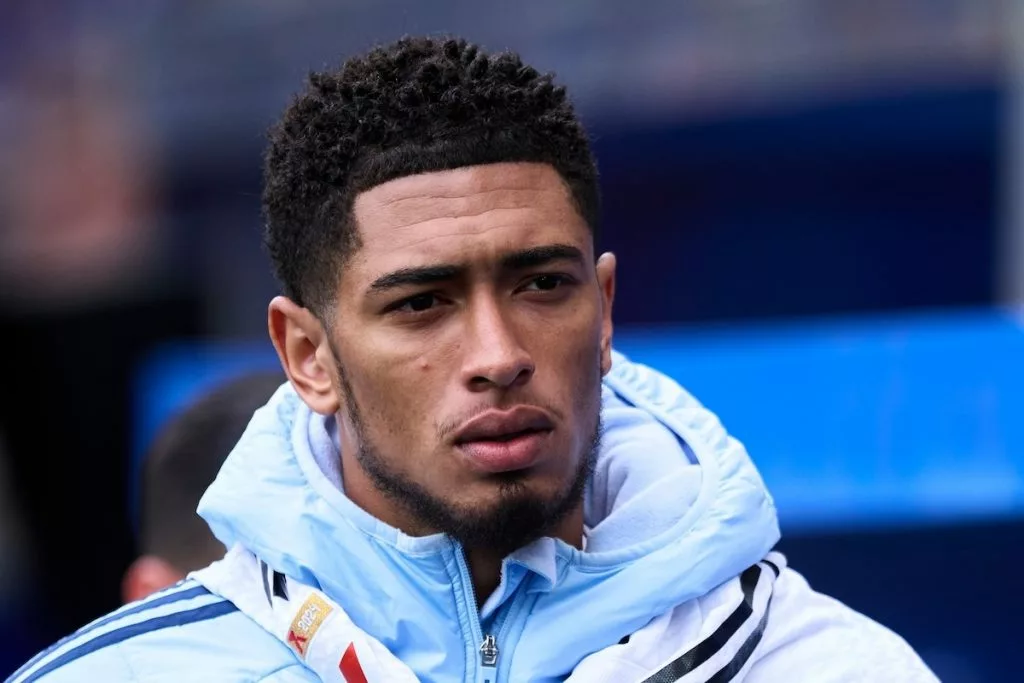
An unlicensed betting app, which used the name and image of England star Jude Bellingham to launch ahead of the World Cup, has finally been banned by Meta.
Bellingham Bet, which had a picture of the Real Madrid in its marketing materials, was able to advertise to UK based customers via Instagram and WhatsApp – despite not holding a valid operating licence.
The app was also made available for download, with fake imagery claiming that the application had been downloaded more than 1.9 million times and had a user rating of 4.9 out of 5.
It’s further evidence of the influence of the black market sector and the ease with which illegal firms can target unknowing customers – the ads of Bellingham Bet were visible on Meta’s platforms for more than 48 hours.
Questionable Honesty
Attention first turned to the deception of Bellingham Bet when a pair of screenshots were shared on social media by Entain PR executive and industry veteran Simon Clare.
He posted an image that suggested that Bellingham Bet was available in the app stores, complete with a picture of Jude Bellingham himself on the image carousel. The firm promised a ‘500% welcome bonus up to £2,000.’
Clare also shared a fake AI news story created by Bellingham Bet, which featured the branding of the BBC and claimed that the outfit was launching ‘Britain’s most honest betting app.’
“I'm guessing Jude Bellingham hasn't launched a betting app, and that wasn't a story on the BBC,” Clare commented on his X feed. “But don't worry Meta – you keep taking the advertising spend from black market bookies breaking all the ASA rules and legal UK bookie licensing conditions.”
The adverts promoting Bellingham Bet emerged on Instagram at least a fortnight ago to coincide with the start of the World Cup. They were live on the Meta-owned platform for at least two days.
Meta has previously been criticised for not acting quickly to remove ads placed by illegal operators, with Gambling Commission executive director Tim Miller claiming that the tech giant was ignoring the marketing activities on its sites.
“It could leave you with the impression they are quite happy to turn a blind eye and continue taking money from criminals and scammers until someone shouts about it,” Miller commented.
In the Netherlands, the trade gambling body VNLOK has revealed that it could launch legal action against Meta over its unwillingness to tackle ads from the unregulated sector.
Fundamental Difference
Once again, the discourse over the rising threat of the illegal gambling market has made headlines.
A report published by Gaming Compliance International (GCI) claims that the scale of the black market is only around 10% of the legal sector in the UK, with just £800 million in gross gambling revenue recorded in 2025.
Even so, that means that unlicensed operators are growing in size at a faster rate than ever before – as confirmed by the Betting & Gaming Council’s Grainne Hurst. She commented:
“There is a fundamental difference between a regulated British business operating under the licence and an illegal offshore operator outside the law.
“One contributes to society through jobs, tax revenues and support for sport. The other simply extracts money from British consumers while avoiding responsibility. Whether the black market accounts for 5%, 9% or more today is not the point.”
Hurst called on social media platforms to crack down more forcefully on black market ads, while also floating the idea of stricter criminal sanctions on the individuals behind illegal gambling enterprises.
-
Premier League Gambling Messages Down 10.5% Following Sponsor Ban
-
Bayern Munich vs Arsenal Prediction, Odds & Betting Tips: Kane To Score
-
Flutter Layoffs Reach 1,400 as Gambling Tax Pressure Mounts
-
Big Week in Champions League for English Sides
-
Champions League Predictions Today: Best Bets for 20 October
-
Wolves vs Portsmouth Prediction, Odds & Betting Tips: A Tight Wolves Win?