House of Lords Recommends Complete Gambling Ad Ban In the UK
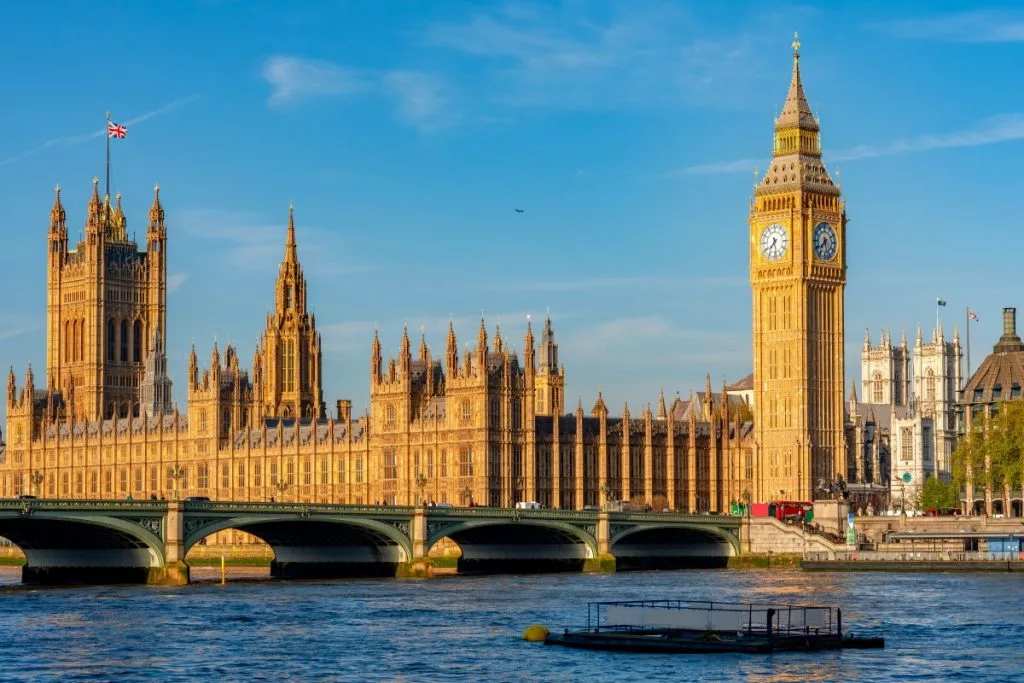
The influential House of Lords has called upon the government to introduce a complete ban on gambling advertisements in the UK.
Their Liaison Committee cites the example of the tobacco ad ban introduced in 2002, which has seen the number of people smoking fall by between 20%-30% since.
Some loopholes would be created for horse racing and the National Lottery, but otherwise gambling promotion would be banned in the UK across TV, radio and the internet.
The Changing Face of Gambling Marketing
In their report, the Liaison Committee slams the governmental response to the increase in gambling advertisements, describing successive leaders as ‘too passive’ in dealing with the situation.
The Gambling Act in 2005 was introduced as a new way to regulate the industry while promoting it as a vehicle for economic growth; the legislation allowed for licensed betting firms to advertise on TV, radio and the fledgling internet where certain restrictions were adhered to.
But since then, the digital revolution has changed the face of marketing, with more and more ads being displayed on social media channels and on video streaming sites like YouTube. Unfortunately, the number of reported cases of problem gambling have increased simultaneously.
Influencers and content creators have also played their part in promoting gambling, particularly on platforms like TikTok and Twitch, which tend to have a younger audience.
The Link Between Gambling Ads and Harm
Some interesting choice of words in the report also reveal that the House of Lords would be satisfied if the gambling sector was to shrink in size, claiming that the money people spend on bets would be invested in other areas of the economy instead.
And the Liaison Committee has shrugged off concerns over jobs in the industry as ‘crocodile tears’, while rejecting the idea that banning licensed betting operators from marketing themselves would only serve to strengthen black market firms instead.
“Great Britain now has a stronger evidence base than comparable international jurisdictions on the link between gambling advertising and gambling harm,” it says in their report.
“Yet, despite this, several other jurisdictions have moved ahead with significant advertising restrictions to tackle gambling harm, leaving Great Britain as a comparative outlier.”
The Smoking Ban Comparison
Although, on the face of it, smoking and betting are in no way comparable, the ban on tobacco ads – and the subsequent downturn in consumption – has been cited as a case study for those in favour of a prohibition.
At various points, cigarette companies have been banned from taking out ads on TV, radio and in print media, with a blanket ban rolled out in the UK in 2002.
The number of smokers, particularly in the 16-30 age group, has fallen significantly since, and while the data does not include alternative forms of smoking like vapes, the core idea of ‘out of sight, out of mind’ is being used to promote a betting ad ban as well.
For government figures, including the Prime Minister, that are concerned about gambling harm and are outspoken critics of the sector, it’s a compelling comparison.
The Betting and Gaming Council Response
Industry stakeholders are damning in their criticism of the House of Lords’ recommendations, which could cost operators around £800 million in revenue per year – while cutting around £130 million in taxable income for the Treasury.
Even with a proposed ‘carve out’ for racecourses and the National Lottery, the damage to the sector would be devastating.
An ad ban could also have the unwitting effect of driving punters to the black market, with unlicensed operators likely to still find ways to market themselves to potential customers.
“A blanket advertising ban would remove a key competitive advantage of being licensed and regulated, while doing nothing to stop illegal operators targeting British consumers,” commented Betting and Gaming Council chief, Grainne Hurst.
-
House of Lords Recommends Complete Gambling Ad Ban In the UK
-
Entain Set to Axe 400 Jobs In Latest Industry Turmoil
-

Arsenal Aiming to Maintain 100% Winning Record
-

Midnite AI Gambling Ad Banned Over ‘Under-25’ Appearance
-

Monaco Sprint Race Among 10 Planned For 2027 Formula 1 Calendar
-

Could a Gambling Advertising Ban Help Illegal Operators?