Could a Gambling Advertising Ban Help Illegal Operators?
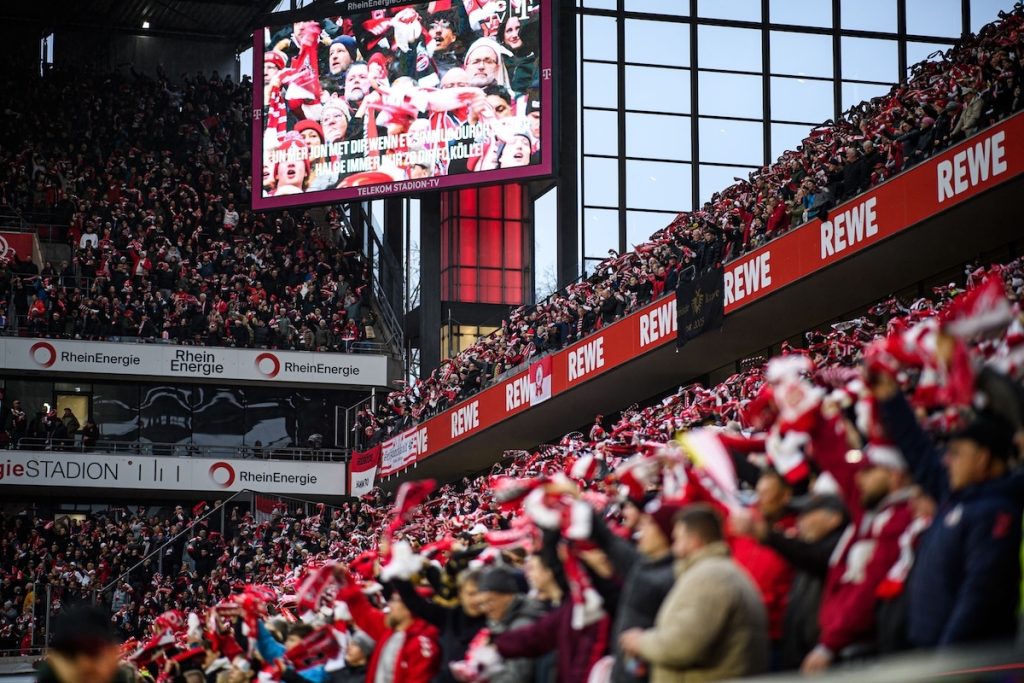
A recent call from Local Health and Global Profits (LGHP) to completely ban gambling advertising in the UK has been met with an unsurprisingly frosty response from the regulated gambling industry.
While a blanket ban is not currently on the cards, The Department for Culture, Media and Sport (DCMS) has recently consulted on plans to stop unlicensed gambling companies.
This ban would prevent sports clubs and other organisations entering into sponsorship and advertising agreements with companies that do not hold a current licence from the UK Gambling Commission. The consultation closed on September 9, with the government yet to announce its decision.
Now, the Local Health and Global Profits (LHGP) research consortium wants the government to go significantly further. It has called for the proposed restrictions to cover licensed gambling companies too, alongside wider restrictions on digital and online gambling advertising.
The Betting and Gaming Council (BGC) has pushed back firmly. It argues that stopping legitimate bookmakers from advertising could hand an even greater advantage to illegal operators that already ignore UK advertising rules.
So, who is right?
What Gambling Advertising Ban Is Actually Being Proposed?
For now, the change being considered by the government is much narrower than a total gambling advertising ban.
DCMS wants to prevent organisations from entering into advertising agreements with gambling companies that are not licensed by the UKGC.
The proposal is primarily aimed at physical sponsorship and advertising, particularly in sport. Under the plans initially put forward, knowingly partnering with an unlicensed gambling company could ultimately become a criminal offence.
Licensed bookmakers would not be prohibited from advertising under the current proposal. Instead, the target is overseas and offshore gambling companies that are visible to British consumers despite not holding permission to operate here.
There is currently no equivalent government proposal to remove licensed gambling advertising across Britain.
Researchers Want the Ban Extended to Licensed Gambling
LHGP argues that we should not be distinguishing between licensed and unlicensed gambling advertising. Instead, they believe action against unlicensed sponsorship is positive, but would prefer restrictions extended across the regulated industry as well.
The £9 million research consortium, which includes academics from the universities of Bath, Cambridge, Edinburgh and Sheffield, bases their argument on the relationship between exposure to gambling advertising and gambling behaviour.
LHGP says repeated exposure to gambling marketing can increase participation. It is most likely to contribute to gambling-related harm among younger people and vulnerable groups.
Gambling Industry Warns Ban Could Strengthen Black Market
The BGC has argued that licensed gambling companies already operate under extensive advertising restrictions. What makes it even harder is that unlicensed companies ignore those restrictions.
UK gambling advertising is already subject to some of the strictest rules internationally, alongside additional voluntary restrictions introduced by its members.
Its largest concern is what happens to the visibility of licensed and unlicensed companies if one group is prevented from advertising and the other continues regardless.
Illegal gambling companies do not necessarily follow an advertising ban simply because the British government introduces one.
The BGC therefore argues that reducing the ability of licensed bookmakers to promote themselves could leave more room for offshore competitors.
Would an Advertising Ban Really Help Illegal Operators?
The BGC has a commercial interest in opposing restrictions that would prevent its members advertising. Equally, the fact that illegal companies would ignore UK advertising rules does create a genuine enforcement problem.
A ban can only reduce gambling advertising if it can actually be enforced.
That becomes particularly difficult online, where offshore operators can use social media, affiliates, and other digital channels to reach British consumers.
The immediate question facing DCMS is whether Britain should prevent unlicensed gambling companies sponsoring British sport.
Whether Britain should prevent any gambling company from advertising at all is a much bigger argument, and one that looks unlikely to be settled any time soon.
-
Could a Gambling Advertising Ban Help Illegal Operators?
-

Horse Racing Tips: Ed Quigley’s Uttoxeter Best Bets for Tuesday, 15 September
-
Almost 600 Match-Fixing Alerts Reach UK Gambling Commission Each Year
-

Contrasting Emotions for the Premier League’s New Boys
-
Leeds vs Newcastle Prediction, Picks & Betting Tips for 14/09
-

FIA President Urges Fernando Alonso Not To Quit F1 Amid Aston Martin Struggles