Cheltenham Could See £10m Wagered With Illegal Bookies
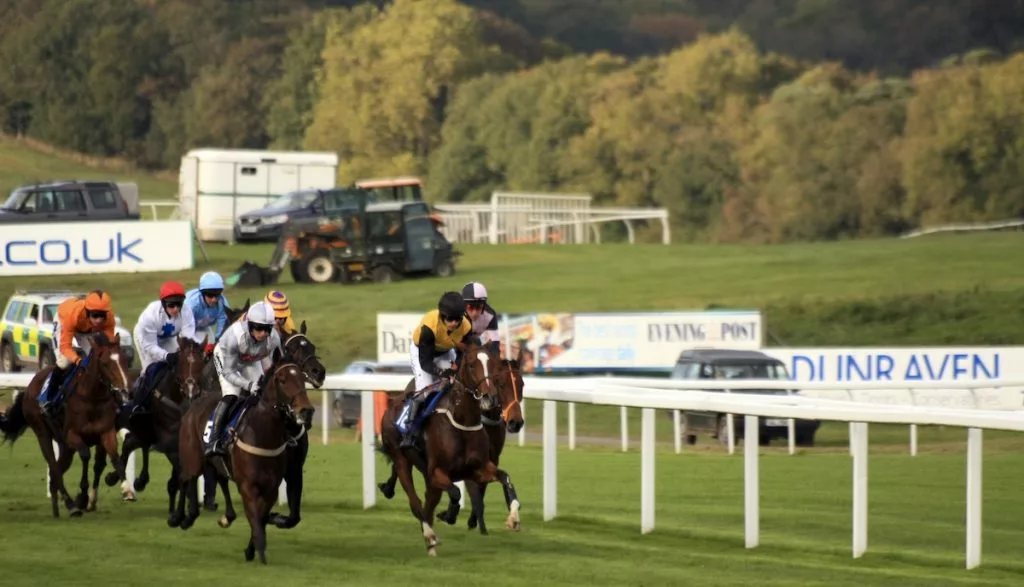
Illegal bookmakers are expected to take £10 million in bets during this weekend's racing at Cheltenham. This warning comes from a new announcement from the Betting and Gaming Council.
The industry body has raised concerns about the growing illegal gambling market, as thousands of racing fans prepare for one of the biggest meetings of the early National Hunt season.
The Cheltenham November Meeting takes place from Friday, 13 November to Sunday, 15 November. The meeting includes Saturday's Paddy Power Gold Cup and Sunday's Greatwood Handicap Hurdle, with several runners likely targeting the Cheltenham Festival in March.
However, the BGC warns that unlicensed bookmakers are also looking to capitalise on the event. They expect them to take millions of pounds in bets over the weekend, all without contributing to British horse racing or complying with UK gambling regulations.
Illegal Bookmakers Target Cheltenham Racing Fans
The, published on 13 November, estimates that £10 million will be wagered with illegal operators across Cheltenham's three-day meeting.
Unlike UK-licensed bookmakers, illegal gambling sites operate outside the Gambling Commission's regulatory framework. This means that customers may not benefit from the same protections afforded by UK operators. But it also indicates that illegal operators avoid paying gambling taxes or contributing to the British Horserace Betting Levy.
£500m Could Be Wagered Illegally During Jump Racing Season
While the Cheltenham warning is a staggering number, it’s just a drop in the pond that is the entire jump racing season. Indeed, the BGC has much wider concerns about illegal gambling throughout Britain's National Hunt season.
It estimates that £500 million could be wagered with unlicensed bookmakers between October and April. That period includes major fixtures such as the King George VI Chase at Kempton, the Cheltenham Festival and the Grand National at Aintree.
The Cheltenham Festival, scheduled for 16 to 19 March 2027, is particularly important to the British betting industry. The BGC argues that illegal operators benefit from the popularity of these events, but do so without making the financial contributions expected of licensed bookmakers.
"These operators contribute nothing to British racing, pay no UK tax and offer none of the vital protections customers expect from licensed bookmakers," BGC chief executive Grainne Hurst said.
The industry body says its members contribute more than £350 million annually to British horse racing, while the wider regulated betting and gaming sector generates more than £4 billion in UK tax revenues.
Illegal Gambling Market Could Continue to Grow
The BGC's warning follows research suggesting that Britain's illegal gambling market could expand significantly over the next two years.
According to forecasts from H2 Gambling Capital, cited by the industry body, the total amount staked with illegal gambling operators could increase from £17 billion in 2026 to more than £33 billion by 2028.
The BGC also referenced research from advertising intelligence company WARC suggesting that unregulated operators account for almost half of gambling advertising expenditure targeting UK consumers.
These estimates have prompted renewed concerns about illegal bookmakers' ability to attract customers away from licensed operators. Hurst said the BGC would continue working with the government and Gambling Commission to tackle illegal gambling and, in doing so, protect consumers.
For punters betting on Cheltenham this weekend, the distinction between licensed and unlicensed bookmakers remains important.
Customers can check whether an operator holds a valid UK licence through the .
While licensed bookmakers are subject to regulatory requirements and consumer protection rules, customers using illegal gambling sites may have limited options if an operator refuses to pay out winnings or disputes arise.
-
Cheltenham Could See £10m Wagered With Illegal Bookies
-

Is Jack Moylan the Championship Signing of the Season?
-
Scotland vs North Macedonia Odds & Predictions: A Hampden Haul?
-
Horse Racing Tips: Ed Quigley's Best Bets for Cheltenham's November Meeting
-
Ex Labour Candidate Claims Gambling Commission ‘Changed’ Vote Result
-

Italy vs France Odds & Predictions: All Square in Milan?