BHA Warns of ‘Severe Financial Implications’ for Horse Racing As UKGC Confirms Affordability Checks
Big spending punters will be subject to ‘financial risk assessments’ from October this year after the Gambling Commission confirmed the roll-out of the controversial scheme.
Anyone that spends more than £1,000 in a 24-hour rolling window on betting will be the subject of a background check, with lower thresholds for those aged 18-24.
And the British Horseracing Authority (BHA) has warned that the decision will have ‘severe financial implications’ for the sport, with bettors potentially turning to black market operators to get their bets on instead.
Causing Friction
After a lengthy process that dates back to August 2024, the Gambling Commission has finally given the green light to its financial risk assessments (FRAs).
First discussed in the gambling industry white paper of 2023, the idea behind the checks is to provide a further layer of support for punters who spend sizable sums on their betting.
However, opponents say that the threshold limits are too low for some professional bettors and high stakes players, who will instead use unlicensed operators to get their money on – despite no financial protections typically being in place at those illegal sites.
Should a punter trigger a threshold, which will start at £5,000 in a rolling 24-hour window before being lowered to £1,000 in the second stage of implementation, their bookmaker of choice will be obligated to perform a financial risk assessment on them.
Their credit history will be interrogated, although the Gambling Commission is insistent that any check will not appear on the individual’s credit report nor impact their credit rating.
However, the regulator’s pilot scheme – which was conducted from August 2024 to March 2025 – did not conclusively confirm that the checks can be run in a wholly ‘frictionless’ manner.
And it’s that issue, allied to having spending limits imposed, that could see punters switch away from traditional betting sites to use unlicensed bookmakers instead.
Abdication of Duty
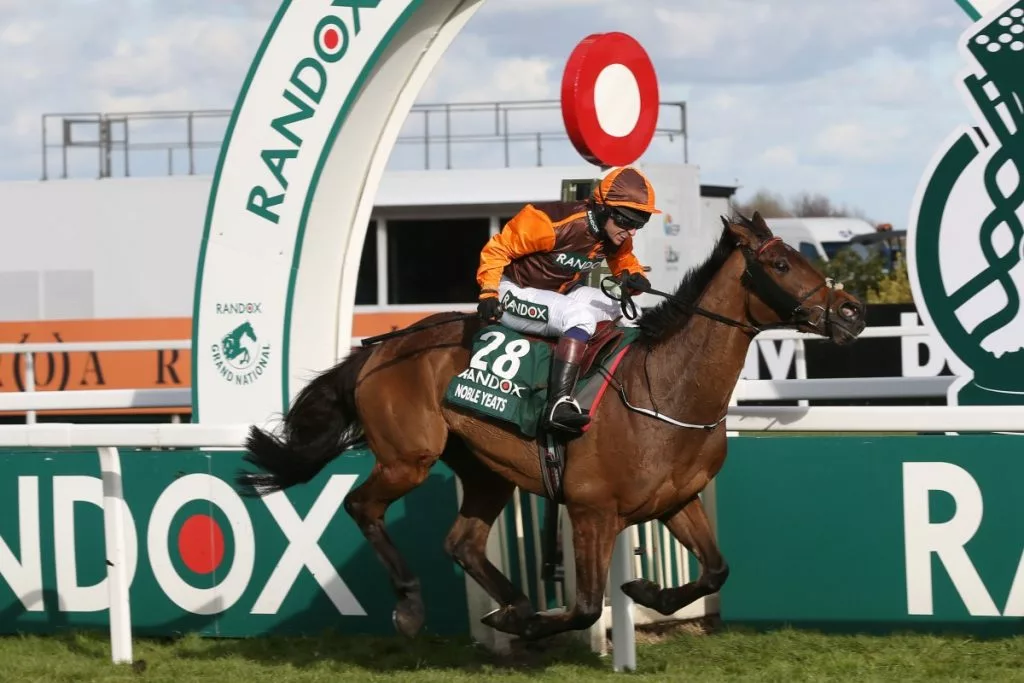
One of the sports most likely to be hit hard is horse racing, which attracts many professional punters that like to wager large amounts.
Racehorse owners, who are allowed to bet even if they have a horse in the race, often have accounts with on-course bookmakers – they are unlikely to be impacted by the changes.
But other punters may well be, which is why the BHA is so resistant to the checks being introduced.
The betting levy, which is one of the most significant sources of revenue for horse racing, sees licensed bookmakers pay a share of their profits into the sport. That is then reinvested as prize money, amongst other things, which helps to keep trainers and owners financially solvent.
But a reduction in the betting levy payments, which are likely now the financial risk assessments have been reduced, could see horse racing face a considerable funding gap.
The BHA’s chief executive, Brant Dunshea, commented that his organisation had previously ‘engaged in a spirit of huge goodwill’ with the regulator over the impact that the checks would have on the financial viability of the sport.
“We are hugely disappointed that the Gambling Commission will implement affordability checks which will have severe financial implications for British racing and the UK economy and subject racing bettors to unwarranted levels of intrusion,” Dunshea said.
He sensationally claimed that the government’s Department of Culture, Media and Sport, which oversees the operation of the regulator, had shown a ‘clear abdication of duty’ by allowing the financial risk assessments to be introduced without further Parliamentary scrutiny.
Estimates by independent market analysts Regus Partners suggest that racing could lose as much as £250 million over the next five years due to the change.
-

US Open Tips, Odds and Predictions: Carlos and Coco the Way to Go
-

Aston Villa Eyeing Up AC Milan Man Rafael Leao
-

Martinelli Heading For Arsenal Exit Door
-
Illegal Premier League Betting Could Hit £1bn a Season, BGC Warns
-

Adult Gaming Centre Clampdown Begins with Shock Licence Rejection
-
Lando Norris Says He 'Doesn't Have The Car' For Title Fight Despite Dutch GP Win