ASA Bans Casino Affiliate Ad Shown To Users Searching For Gambling Help
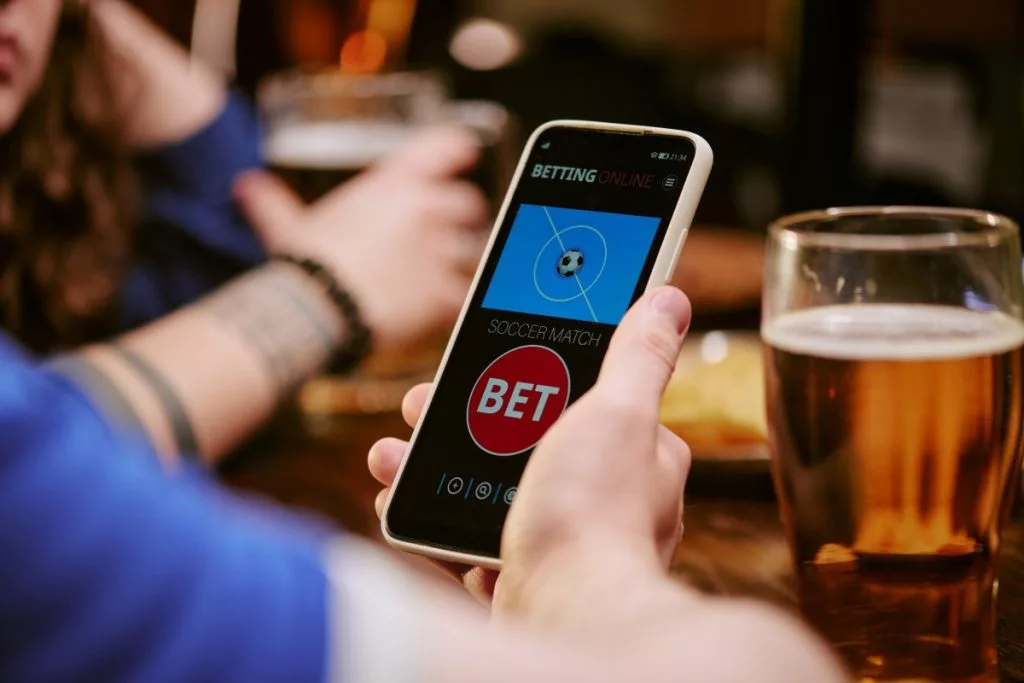
ASA has upheld a complaint against Smart Gravity after one of its paid search adverts appeared alongside the ‘help with gambling’ query. The advert promised ‘Fast Signups & Mega Bonuses’.
The company behind the affiliate site top10onlinecasinoreviews.co.uk came under fire from one UK user. The complainant was searching for gambling support and instead saw a sponsored ad for one of Smart Gravity’s pages.
Smart Gravity said it had not deliberately targeted people seeking gambling support and had used negative keywords designed specifically to prevent this.
However, the advert was still served via Microsoft Advertising despite the safeguarding measures.
While unacceptable, this kind of incident raises a wider question. When automated advertising platforms decide which searches are relevant to an advert, how much control do the advertisers themselves have over where those adverts eventually appear?
What Happened With The Smart Gravity Casino Ad?
The advert was seen on June 18 after a user searched for ‘help with gambling’.
The ad itself promoted ‘UK’s Top 10 Casino Sites’ and invited users to compare online casinos, promising ‘Fast Signups & Mega Bonuses To Claim’.
The complainant challenged whether the advert had been irresponsibly targeted.
Smart Gravity told the ASA that it:
- Operates an affiliate comparison site rather than a gambling business itself.
- Had no intention or commercial incentive to advertise to anyone seeking gambling addiction support.
- Had an existing negative keyword list intended to stop adverts appearing in searches relating to gambling addiction, safer gambling and gambling harm.
- Regularly reviewed campaign settings and search data.
However, those controls did not prevent the advert from appearing.
The ASA concluded that someone searching for ‘help with gambling’ was likely to be seeking advice or support relating to gambling harm. In that context, this advert was considered inappropriate.
As Smart Gravity’s safeguards had not been sufficiently robust, ASA ruled that the advert breached CAP Code Rule 1.3 on social responsibility.
How Can A Search For Gambling Help Trigger A Casino Advert?
Search advertising doesn’t always work by matching an advert to the exact words an advertiser has selected. Instead, advertisers choose the keywords they want to target and platforms, in this case Microsoft Advertising, interpret those keywords.
Advertisers can choose between four types of keyword match:
- Exact match offers the tightest control, limiting searches to those that are closely related to the keyword.
- Phrase match is the next tightest, limiting to searches that generally relate to the meaning of a phrase.
- Broad match is the loosest, giving the advertising platform more freedom to decide whether a search is relevant.
- Negative keyword exclusions are the words the advertiser does not want the advert to show for.
This can help advertisers reach people using search terms they might never have thought to target themselves, while limiting the searches they want to avoid. However, it can still create unwanted matches.
While Smart Gravity had maintained negative keywords related to gambling harm, it also used broader keyword matching options.
So, the ASA ruled that this meant there remained a risk that adverts could be served against searches suggesting that someone was experiencing gambling-related harm.
Does Microsoft Advertising Share Any Responsibility?
Under UK advertising rules, responsibility sits with the advertiser to ensure its marketing is appropriately targeted.
However, the Smart Gravity ruling also highlights how heavily modern digital advertising relies on automated systems.
Smart Gravity supplied the keywords, campaign settings, and exclusions. Microsoft Advertising then determined which individual searches were relevant enough to trigger the advert. Together, this resulted in the advert being shown to a user searching for ‘help with gambling’.
For businesses promoting gambling, the ASA appears to expect additional safeguards where those automated systems could expose vulnerable consumers to gambling advertising.
Its ruling stated that marketers advertising gambling-related services should have ‘very robust controls’ in place because of the potential for considerable harm.
The case could therefore leave gambling advertisers and affiliates reconsidering whether broad keyword targeting is compatible with those expectations, without significantly more extensive exclusion lists.
-

US Open Semi-final Predictions & Betting Tips 2026: 7/5, 13/4, 5/4 and 9/5 Picks
-

ASA Bans Casino Affiliate Ad Shown To Users Searching For Gambling Help
-

West Ham Starting to Strut Their Stuff in Championship
-

Horse Racing Tips: Ed Quigley’s Doncaster St Festival Best Bets for Thursday
-

Bet365 Confirms Plans to Cut 300 UK Jobs In Latest Industry Blow
-

Napoli vs Arsenal Prediction, Tips for 09/09: Gunners to Win in Naples?