Two Stars, Two Storylines: Why Friday Changed the NBA’s Trade Picture
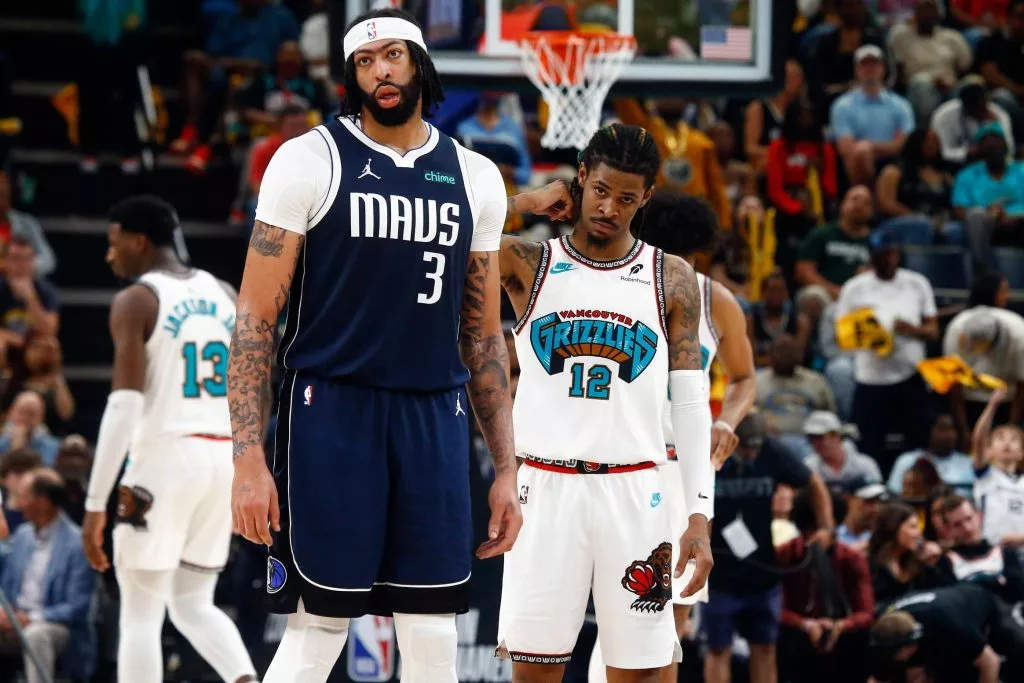
Friday felt like one of those NBA days where the ground shifts a little and you can see the trade deadline fog starting to roll in.
On one side, you had the Ja Morant news, the kind that instantly changes the tone of every front office conversation. Reports indicated that the Memphis Grizzlies are entertaining trade offers for Morant ahead of the Feb. 5 trade deadline and that multiple teams have already engaged in discussions.
That alone is a wave-maker because Morant is still one of the rare guards who can bend a game with rim pressure, pace and playmaking even if the last few seasons have made it harder to classify him as a true, night-to-night superstar.
Between injuries and suspension-related interruptions, his standing has become complicated. The ceiling remains obvious, but the reliability and sustained impact have been harder to bank on, which is why this news felt real rather than like routine rumor noise.
That’s also why Morant remains a needle-mover if he lands in the right ecosystem. A team doesn’t need him to be flawless to feel the effect. It needs structure, spacing and clarity. Put him in a stable system, particularly in the Eastern Conference, where the path can be more navigable, and the ripple could be immediate. A borderline contender suddenly looks capable of winning the East. A team already in the mix starts thinking about becoming the favorite.
Memphis’ reported desire to prioritize young players and draft capital suggests a willingness to zoom out and potentially reset if the long view matters more than holding onto the version of Morant they once built around.
Almost simultaneously, the league absorbed the other kind of deadline-shaping development, with the news around Anthony Davis' injury in Dallas. An MRI revealed ligament damage in Davis’ left hand after he was hurt late in Thursday’s Dallas Mavericks loss to the Utah Jazz. He’s seeking multiple medical opinions, and if surgery is required, the injury could be season-ending. Even without surgery, early expectations point to at least six weeks on the shelf, which quickly turns into a multi-month absence.
That timeline matters because the trade deadline is less than a month away. Dallas may not have full clarity on Davis’ return until after critical decisions need to be made. That uncertainty doesn’t just impact the Mavericks’ on-court outlook, it impacts their flexibility. There had already been loud whispers that Dallas was very open to exploring Davis’ trade value. An extended absence complicates that immediately. Selling win-now impact becomes much harder when the player may not be available until late in the season, if at all, and still carries multiple years of significant money on his contract.
It also raises a more uncomfortable possibility. If Davis’ recovery timeline stretches and the Mavericks drift further from the playoff picture, the incentive to push for short-term results fades. At that point, the calculus shifts toward protecting future value, draft position and long-term flexibility rather than forcing a run that may no longer be realistic.
That’s why Friday resonated. Morant’s market availability introduces a potential franchise-altering talent into the trade ecosystem. Davis’ injury injects uncertainty into another star’s future and could quietly push a team toward a different timeline. With the deadline clock now loud, this was the kind of day that doesn’t just create headlines. It creates leverage, urgency and the first real sense that the next wave of NBA dominoes is about to fall.
-
Panthers RB Jonathon Brooks Slated for Surgery, IR Stint
-

VegasWay Sweepstakes Casino Partners With Sneaky Slots: Play 3 New Games
-
MLB Home Run Props and Predictions Today: Top Player Props for Sept. 23
-

Presidents Cup Props & Parlay Picks for 2026: Sam Burns Time
-
‘America’s Got Talent’ Finale Prediction Markets: Nene Royal Leads
-

Tribes Line Up to Criticize Tunica-Biloxi Prediction Market Move