This Week in Prediction Markets: Regulators, Soccer Deals, and the Industry Getting Bigger Fast
Prediction markets had another week where it felt like the industry moved in 10 different directions at once. Federal regulators talked openly about using AI surveillance tools, major sports partnerships kept rolling in, legal battles expanded again, and prediction market companies continued acting more like mainstream financial brands than niche internet startups.
That is becoming the normal rhythm for this industry now. One headline is about soccer leagues and stadium partnerships. The next is about insider trading enforcement or blockchain monitoring. Prediction markets are no longer just sitting inside crypto circles or forecasting communities. They are starting to touch sports, politics, finance, media, regulation, and AI all at once.
The CFTC is Clearly Taking This Seriously
The biggest regulatory story this week probably came from the Commodity Futures Trading Commission, which confirmed that it is actively using AI tools to monitor prediction markets and crypto trading activity. CFTC Chairman Mike Selig discussed how the agency is using artificial intelligence systems alongside blockchain analytics tools to scan markets for suspicious activity or insider trading patterns.
Regulators are no longer waiting around for obvious scandals to surface publicly before reacting. They want systems that can spot unusual activity almost immediately. That is a pretty major change from where things stood only a couple of years ago. Prediction markets used to feel somewhat outside the traditional financial system. Now regulators are talking about market surveillance, insider trading enforcement, suspicious trading networks, and cross-platform monitoring the same way they would with derivatives or equities markets.
Soccer Partnerships Keep Getting Bigger
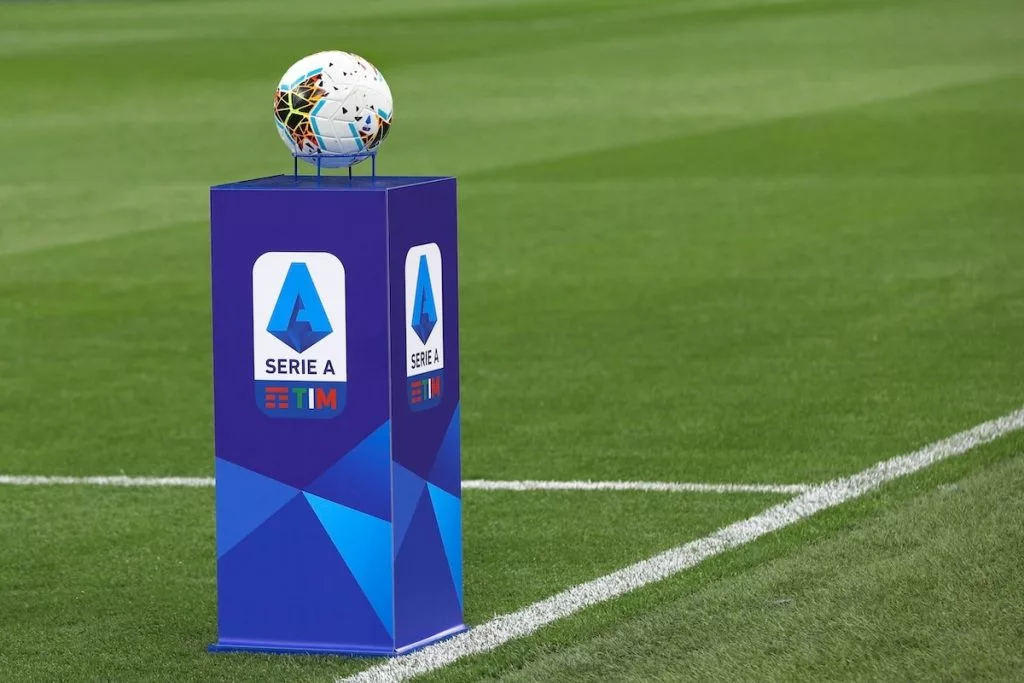
Sports remained one of the biggest growth stories again this week, too. Polymarket announced a multi-year partnership with Serie A USA, becoming the exclusive prediction market partner for the Italian soccer league in the United States.
That deal feels closely tied to the broader buildup for the 2026 FIFA World Cup coming to North America. Soccer engagement in the U.S. keeps growing, and prediction market companies clearly want to establish themselves before that attention explodes even further over the next two years.
Kalshi also continued to attract attention following its announcement of a partnership with Madison Square Garden. Seeing a prediction market company attached directly to one of the most recognizable entertainment venues in the world still feels like a pretty surreal shift for the industry. Not long ago, most people barely knew these platforms existed outside internet finance communities.
The Legal Pressure is Still Growing
At the same time, the legal side of the industry keeps getting messier. Wisconsin stayed near the center of that fight this week after a federal judge allowed the Ho-Chunk Nation’s lawsuit against Kalshi to move forward. That case matters because it adds tribal gaming rights to the already complicated legal battle surrounding prediction markets.
Up until now, most of the focus has centered on states fighting with the CFTC over whether sports-related event contracts should fall under federal financial regulation or state gaming laws. Now, tribal sovereignty and gaming compacts are becoming part of the discussion, too. Meanwhile, Wisconsin also moved to restrict state employees from using insider government information tied to prediction market activity before potential ethics issues become larger problems.
What This Says About the Industry Right Now
The biggest takeaway from this week is probably that prediction markets are no longer operating quietly on the edge of the internet. The category is now deeply connected to mainstream finance, sports, media, regulation, and technology conversations.
At this point, the story feels much bigger than whether prediction markets continue to grow. The more interesting question may be what the industry eventually becomes as these different worlds continue to collide.
-
NFL Survivor Pool Picks for Week 4: Ravens, Vikings, Bills
-

MLB Division Series Betting Trends That Matter Most in 2026: Analysis
-

NCAAF Parlay Predictions: Best Bets for October 2 Action
-
'Tip of the Iceberg': NBA Gambling Scandals Imply Offshore Problem
-

NHL Anytime Goal Scorer Predictions Today: Best Bets for Oct. 2
-

College Football Picks and Parlays for Week 5: The Big Boys Shine