This Week in Prediction Markets: From Augusta Leaderboards to Global Shipping Signals
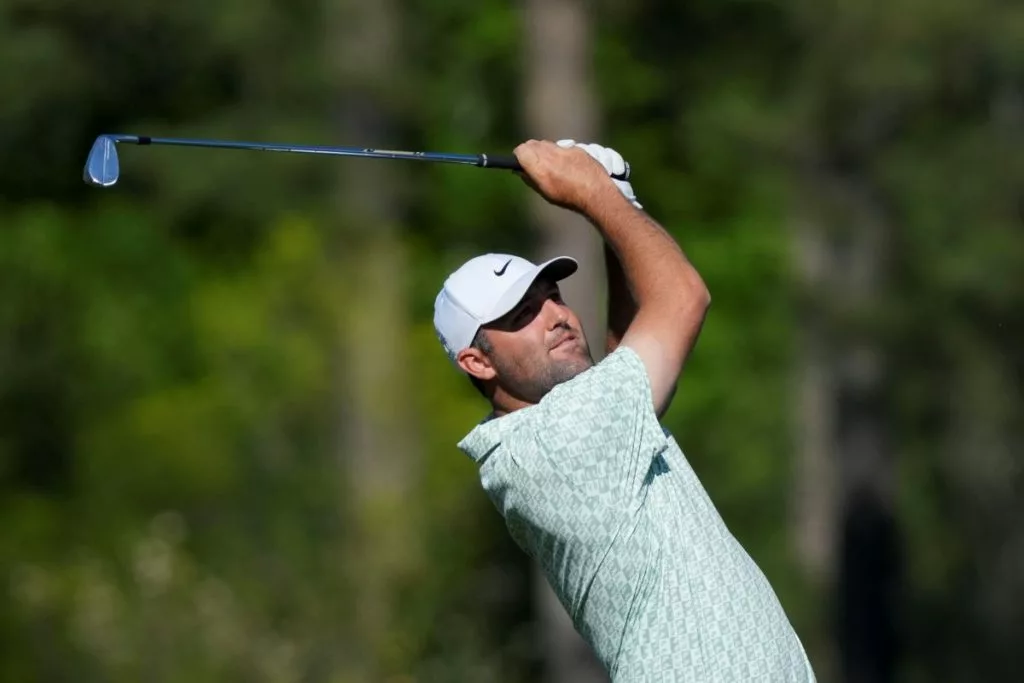
This week gave us one of the clearest looks yet at how wide the prediction markets space has become. You have live movement from The Masters updating in real time, while a completely different market is tracked when shipping activity in the Strait of Hormuz might return to normal. From where we sit, that range says everything. These markets are no longer confined to a single lane, and you can see how the same pricing system can handle both fast-paced sports action and slow-moving global developments.
What makes it even more interesting is the consistency of the underlying idea. Prices shift as new information comes in, giving you a running sense of how expectations are changing. The difference is not the structure; it is the speed.
Early Masters Prices Reflect More Than Just the Scorecard
If you were following the opening round, the top of the market started to take shape pretty quickly. Rory McIlroy jumped out to a strong start at five under, which pushed his contract up to around 25 percent. That tells you the market likes his position, though it is not ready to treat it as anything close to a lock this early. Right behind him, Scottie Scheffler sat closer to 20 percent despite being a few shots back.
That gap is worth paying attention to because it shows how much trust the market still places in long-term performance. Scheffler does not need to be leading to stay firmly in the conversation. Further down the board, you start to see a sharper drop-off. Players like Xander Schauffele and Sam Burns are still relevant, though their chances are much smaller for now. That middle tier is where things can shift quickly if someone strings together a strong round.
Why the Market Stays Cautious This Early
It might feel like a five-under start should carry more weight, though golf rarely plays out in a straight line. There is still a lot of the tournament left, and early leaders do not always hold their position. The market clearly factors that in. What you are really seeing is a blend of current form and historical context. McIlroy's lead matters, though it is balanced against how often players in that spot actually finish the job.
That is why his number stays in that mid-range instead of jumping much higher. For you, this adds a layer you do not get from a standard leaderboard. You are not just tracking who is ahead; you are getting a sense of how sustainable that lead looks. That tends to evolve with every round.
A Slower Market With Global Implications
While the Master's market moves shot by shot, the Strait of Hormuz market tells a much slower story. The focus here is on when shipping traffic returns to normal levels, using a specific benchmark tied to reported transit activity. That creates a very different rhythm. Right now, the market leans toward a gradual recovery. A return before June 1 sits around the midpoint, while extending that timeline to July brings it closer to 60 percent.
That suggests improvement is expected, though not in the immediate term. Shorter timelines are getting very little support. A return before mid-April is priced near zero, which lines up with how these disruptions tend to unfold. Situations tied to infrastructure and geopolitics usually take time to stabilize.
How Longer Timelines Shape Market Behavior
This type of market builds more like a slow narrative than a series of sharp reactions. Each update nudges expectations slightly rather than causing dramatic swings. That creates a steady progression instead of constant volatility. There is also more room for interpretation. Different participants may weigh the same information differently, especially when broader political or economic factors come into play.
That keeps the pricing dynamic without making it overly reactive. From our perspective, this is where prediction markets start to feel more like a long-term tracking tool. You are watching the sentiment develop over time rather than reacting to every small update.
Media and Sports Partnerships Continue to Expand the Reach
Beyond individual markets, this week also reinforced how quickly prediction platforms are moving into more visible spaces. Kalshi continued to push into mainstream media through its integration with Fox Corporation, bringing live pricing data into major news broadcasts. That kind of exposure puts these markets in front of audiences who may not have actively sought them out before.
At the same time, Polymarket expanded its sports footprint through a partnership with LaLiga. Moves like this are less about branding and more about how fans interact with live events. You are starting to see prediction data sit alongside the action, rather than existing as a separate experience. Taken together, these developments point to a broader shift. Prediction markets are appearing in places where people already spend time, making adoption feel more natural.
Fast Reactions Still Come With Growing Pains
One moment this week also highlighted how quickly these platforms can respond to breaking news. During a high-profile military story involving a downed aircraft, a short-lived market appeared online tied to the timing of a rescue. The platform removed it shortly after and apologized. That situation says a lot about how fast this space moves.
Markets can appear almost instantly as information breaks, though not every topic fits cleanly into that model. It also shows that platforms are still figuring out where to draw the line. From our point of view, this is part of the natural evolution. Rapid growth usually comes with moments like this, followed by adjustments that shape how things operate moving forward.
Impact on Prediction Markets
From where we sit, this week ties together a few important themes. You are seeing real-time sports markets, long-term global forecasts, and major partnerships all advancing the space simultaneously. That combination makes it clear that prediction markets are not slowing down.
We also think visibility is becoming just as important as functionality. As these markets appear in broadcasts, sports coverage, and everyday conversations, more people will start paying attention to how pricing behaves. That naturally raises expectations around accuracy and reliability.
Looking ahead, the direction feels pretty straightforward. More categories, more integration, and more users will continue to shape how these markets evolve. If they can keep delivering a useful read on real-world outcomes, weeks like this may start to feel less like a snapshot and more like the new normal.
-

Presidents Cup Odds & Predictions for 2026: Good American Chalk
-

Moozi Sweepstakes Casino Launches Free SC Oktoberfest Bundle & 8 New Slots
-

MyPrize Sweepstakes Casino Packs: Get Free Card Packs & New Yu-Gi-Oh! Bundles
-

MLB Best Bets Today: Top Pitcher Props for Sept. 22
-

Jaxson Dart Avoids Season-Ending Knee Injury After Scary Exit Against Rams
-

MLB Home Run Props and Predictions Today: Top Player Props for Sept. 22