Prediction Markets Legal Proceedings May Eventually Reach the Supreme Court
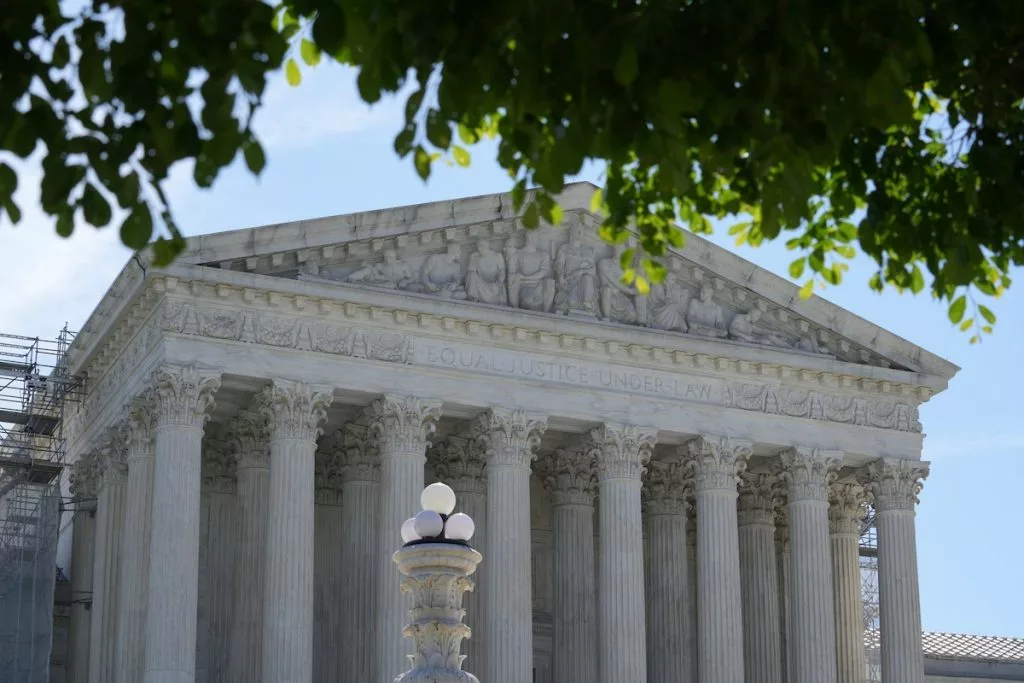
Prediction Market platforms in the United States could be moving deeper into the court system, with some saying the issue could eventually reach the Supreme Court. Conflicting rulings from judges across several states are beginning to create the kind of legal divide that often sends major regulatory questions to the nation’s highest court.
The rise of Sports Prediction markets and Political Prediction Markets has sparked intense debate among regulators, lawmakers, and the gaming industry. State officials argue these platforms look and function a lot like traditional sports betting. Operators, however, maintain that their products are regulated as federal financial contracts. The other issue is that states do not get the same cut from Prediction Market providers as they do from Sports Betting Providers.
Courts Deliver Different Outcomes Across States
With several recent rulings across the country, the legal environment is very much unsettled. Judges in New Jersey and Tennessee sided with Kalshi, blocking attempts by state regulators to enforce gambling laws against the company. Those courts agreed with the platform’s argument that its event contracts fall under the jurisdiction of the Commodity Futures Trading Commission.
Elsewhere, courts have taken a different view. A Massachusetts judge temporarily barred Kalshi from offering sports event contracts in the state earlier this year. Regulators in Nevada recently filed legal challenges after a judge lifted a previous order that had paused enforcement efforts against one of the top Prediction Market brands. With varied legal results, it has become a major topic in the Prediction Market News cycle, as both sides of the debate claim the rulings support their position.
Federal Regulators Step Into the Dispute
The Federal Government has now become an active participant in the legal proceedings. Newly confirmed CFTC chairman Mike Selig has publicly backed the argument that Prediction Markets fall under federal oversight rather than state gambling law.
Selig recently warned that the commission intends to challenge states attempting to regulate these platforms independently. The agency has already filed a brief in a Nevada case supporting Prediction Market Operators.
Political Tensions Begin to Surface
The legal debate over Prediction Markets Legality is also creating unusual political divisions. Some policymakers support the federal approach, arguing that these markets function more like trading platforms than sportsbooks. Others believe states should retain the authority to regulate any activity that resembles wagering within their borders.
Industry supporters recently formed the Coalition for Prediction Markets, which includes companies such as Kalshi, Crypto.com, Coinbase, and Robinhood. The group argues that a unified federal system is necessary for these markets to operate effectively. Opponents have launched their own campaign, claiming Prediction Markets are simply another form of gambling that avoids the rules and tax obligations applied to traditional sportsbooks.
Rapid Industry Growth Raises the Stakes
The expansion of Prediction Markets has dramatically increased attention on the legal debate. Traders can now purchase contracts tied to everything from elections and economics to major sporting events, driving interest among users searching for the Best Prediction Markets available online.
This has forced regulators and courts to confront a fundamental question: where do these products fit in the legal landscape? Until the courts provide a definitive answer, the future of Sports Prediction Markets, Political Prediction Markets, Climate Prediction Markets, Culture Prediction Markets, and other niches will remain uncertain. The next few years of legal proceedings could ultimately determine whether Prediction Markets operate under a national regulatory framework or face a patchwork of state rules across the country.
-
Presidents Cup Odds & Predictions for 2026: Good American Chalk
-

Moozi Sweepstakes Casino Launches Free SC Oktoberfest Bundle & 8 New Slots
-

MyPrize Sweepstakes Casino Packs: Get Free Card Packs & New Yu-Gi-Oh! Bundles
-
MLB Best Bets Today: Top Pitcher Props for Sept. 22
-
Jaxson Dart Avoids Season-Ending Knee Injury After Scary Exit Against Rams
-
MLB Home Run Props and Predictions Today: Top Player Props for Sept. 22