Prediction Markets File Lawsuit Against Kentucky Tax
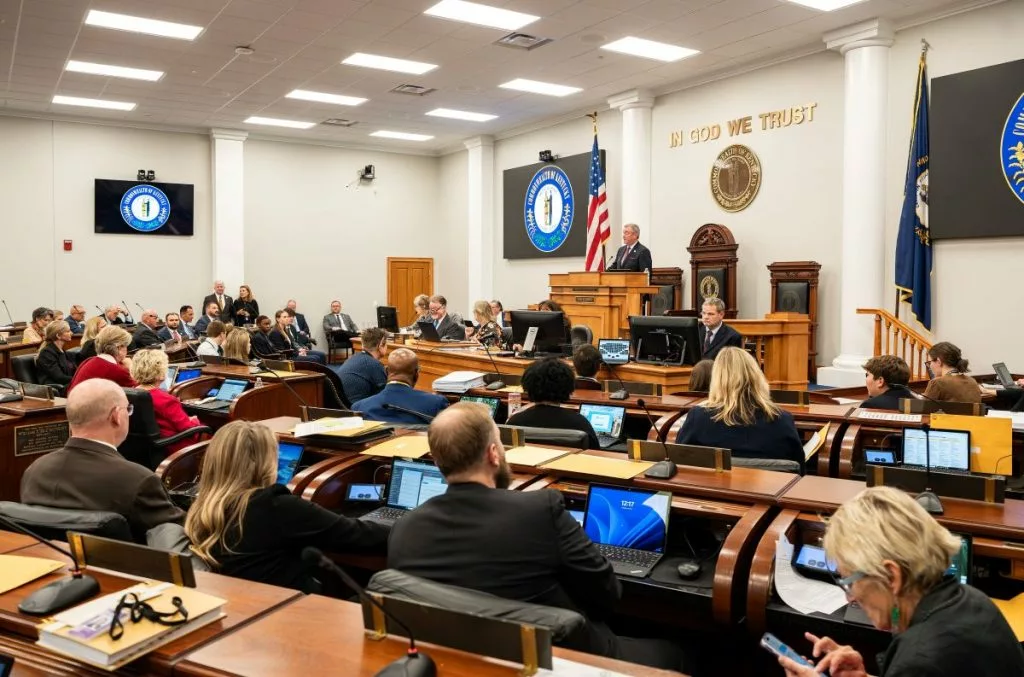
The prediction markets have their next target in their ongoing legal fights: Kentucky and its new tax on prediction market activities.
The Coalition for Fair Markets, made up of Kalshi, Polymarket, Crypto.com and other prediction markets, has filed a lawsuit in federal court to stop Kentucky’s April law, which would tax prediction markets at 14.25%. Notably, that’s the same rate Kentucky levies on legal sportsbooks in the state.
That fact will likely be used in the state’s argument that prediction markets are legally indistinguishable from gambling. It might also make the prediction markets’ claim of a discriminatory tax harder to prove. The prediction markets have instead compared the tax rate to Kentucky’s tax on horse racing, which carries a 9.75% rate.
The coalition has also focused on the claim that federal oversight should override state laws. That argument has the backing of the federal government, leading to several lawsuits in other states. But with House Bill 904 nearing its effective date, the coalition couldn’t afford to wait on a decision in those cases.
Why Are Prediction Markets Suing Kentucky?
In April, the Kentucky General Assembly overrode Gov. Andy Beshear’s veto of HB 904, passing it into law and overhauling the state of gambling in Kentucky.
Previously, the commonwealth had no restrictions on prediction markets, which essentially operated with no oversight. With sportsbooks taxed and regulated by the states, the coalition was essentially free to undercut them. That changed with HB 904. Among other things, HB 904 raised the betting age, established fixed odds for horse racing and taxed prediction markets for the first time.
By establishing a 14.25% rate, Kentucky has made clear it views prediction markets the same as gambling. That distinction has been at the heart of almost every case this year. By calling their trades “contracts”, the coalition has so far avoided being classified as gambling. However, multiple states have made clear they disagree with that argument.
HB 904 included a provision that made it effective 90 days after its passage. That takes place in mid-July, which is why the coalition wants an injunction now.
What Are the Next Steps From Here?
Most likely, most of HB 904 will be allowed to go into effect without issue. The coalition isn’t worried about things such as age limits or banning prop bets on Kentucky players, both of which exist in the new law. The bill didn’t include a severability clause, but this question isn’t central to the law itself. It’s simple for a judge to issue an injunction against the section regarding prediction markets, while leaving the rest of the law in place.
But to get there, the coalition must show it is likely to win in court. That could come through either the discriminatory argument or the argument appealing to federal oversight. If the coalition doesn’t have a strong legal argument, the law will go into effect entirely in mid-July.
Should that happen, the lawsuit could still progress. But the prediction markets would either have to start paying the tax or geofence the Bluegrass State until the case is decided.
When Will a Decision Come?
Most likely, a decision will come around the end of June or start of July. The law is set to go into effect July 14, so an injunction will need a quick decision.
The case itself will likely take months to reach a conclusion. Whether an injunction is granted will give a strong indicator as to which side is likely to win.
-

BetMGM Promo Code [bonus-code operator="832" section="sport"]: TNF Week 2 Betting
-

Trade $25 Get $25 on Dodgers vs Reds MLB: Use Kalshi Code [bonus-code operator="3731" section="sportspredictions"]
-

Acton Doubles Down on iGaming in Ohio; Ramaswamy Remains Noncommital
-

MLB Pitcher Props for Sep. 14: Guardians' Williams Piles Up K's
-

Giants Roll Past Cowboys in First Game of John Harbaugh Era
-

WOW Vegas Premieres: Play Sweepstakes Casino Games Early