Prediction Markets are Expanding on Every Front
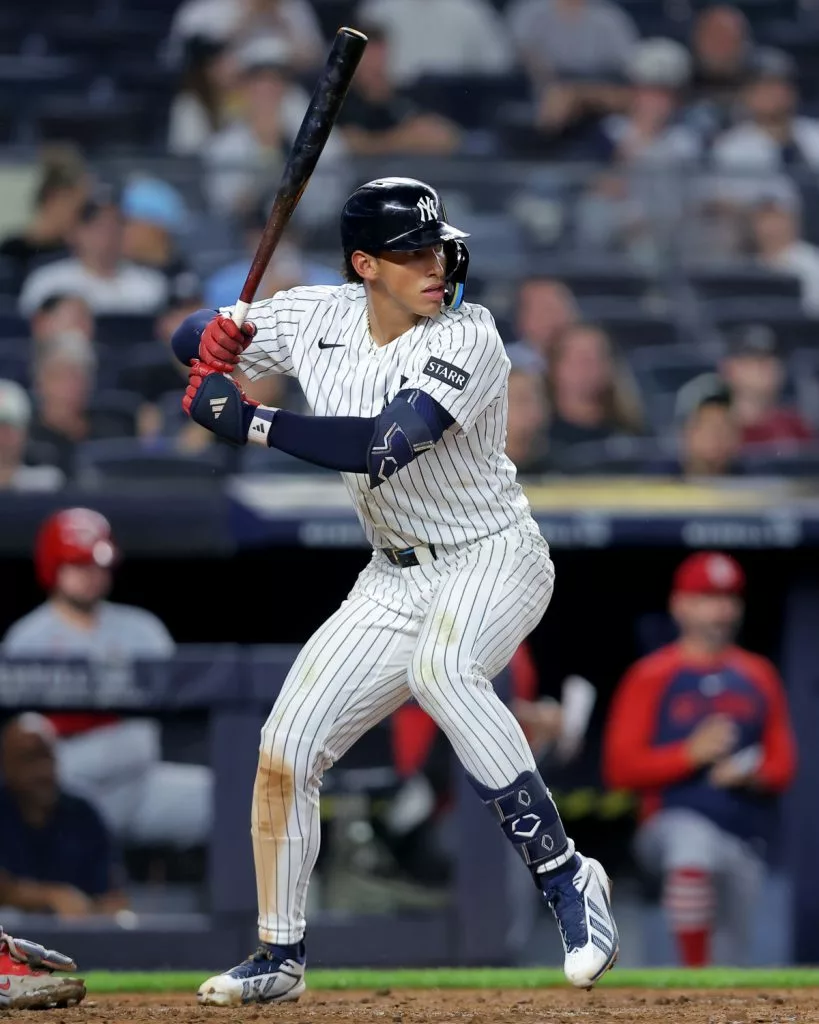
Some weeks in prediction markets are about one big headline. This was not one of those weeks. Instead, the most interesting story came from putting everything together. Polymarket landed inside Yankee Stadium and added live ATP tennis streaming. Wealthsimple brought Kalshi contracts to Canadian investors. Wintermute moved into market-making. July volume across Kalshi and Polymarket reached $50.6 billion. Meanwhile, courts, regulators, and lawmakers kept arguing over where these markets belong.
Taken as a whole, the week felt like a snapshot of an industry entering a much more complex stage. Prediction markets are no longer trying to prove that people want the product. Now they have to prove they can scale it, regulate it, provide sufficient liquidity for it, and make it useful beyond the handful of events that originally drew attention.
The Numbers are Starting to Speak for Themselves
We can spend a lot of time debating what prediction markets might become, but the current trading numbers are getting harder to dismiss. Kalshi and Polymarket US combined for $50.6 billion in notional volume during July. Kalshi accounted for $37.7 billion of that total, while Polymarket's two platforms combined for $12.9 billion. The World Cup played a major role in boosting activity in June and July, but the more interesting test comes next.
There isn't another World Cup waiting in August. The NFL season and midterm elections are coming, though, which gives the industry another chance to show whether users simply move from one major event to the next. If that happens, the idea that prediction markets depend on a particular political cycle or sporting event becomes much harder to defend.
Sports Partnerships are Turning Into Actual Products
The sports story changed this week too. Polymarket becoming the Yankees' official prediction market partner is significant simply because of the brand involved. Yankee Stadium is about as mainstream as sports marketing gets. Fans will see Polymarket signage in the ballpark and during broadcasts on YES Network and Amazon Prime Video, putting the company in front of people who may never have intentionally visited a prediction market before.
The ATP Tour partnership may be even more interesting from a product perspective. Polymarket secured exclusive live streaming rights within the U.S. prediction market category for roughly 20,000 ATP Tour and Challenger Tour matches each season. Users can watch tennis and follow changing market probabilities from the same platform.
That is a much bigger step than putting a logo behind home plate. It begins to answer a question prediction market companies eventually have to solve: What makes someone keep the app open after they have already placed a trade? Live content could be part of that answer.
The Industry is Building the Plumbing Now
Another headline that might be easy to overlook came from Wintermute. The crypto market maker, which processes roughly $3.5 trillion in annual volume across its existing business, is now providing liquidity in prediction markets. That matters because the quality of a prediction market depends heavily on whether users can trade efficiently without causing prices to move too dramatically.
A few developments this week point in the same direction:
- Wintermute is bringing professional market-making infrastructure into event contracts.
- Kalshi added additional compliance tools for institutional firms.
- Novig completed its move to a federally regulated sports-focused exchange.
- Wealthsimple is bringing a limited set of Kalshi contracts into Canada.
- Polymarket continues building sports, media, and data partnerships around its core exchange.
These aren't flashy consumer features in the traditional sense. They're the pieces you would expect to see built around a market that plans to be much larger in five years.
Canada Offers a Different Expansion Model
Wealthsimple's rollout also gives us something new to watch. Canadian users will get access to approximately 4,000 Kalshi contracts through Wealthsimple Predict, but regulators have drawn a much tighter box around what is available. Contracts are limited to financial markets, economic indicators, and climate, with settlement periods of at least 30 days. Politics, elections, sports, and entertainment remain outside the approved framework.
That makes Canada an interesting experiment. Rather than arguing over whether prediction markets should exist at all, regulators are allowing a narrower version and seeing where it goes. If the product gains traction, it could show that prediction markets have plenty of appeal beyond sports and political headlines. It could also provide other countries with a model for introducing event contracts gradually, rather than immediately opening every category.
The Legal Map Somehow Got Messier
Of course, none of this growth has made the legal questions disappear. Utah became the latest state to win an early court ruling allowing officials to enforce state law against prediction markets. Similar disputes have produced different outcomes elsewhere, which means the national picture still looks more like a patchwork than a settled regulatory framework.
Texas took a noticeably different approach this week. Rather than immediately pursuing restrictions, lawmakers held a hearing to understand election prediction markets and how they interact with existing state law. That distinction matters.
We're now watching states choose very different strategies. Some are litigating. Some are studying. Others, like North Carolina, have sought ways to recognize federally regulated platforms within state tax structures. The lack of uniformity makes life harder for operators, but it is also forcing important questions into the open.
Market Integrity is Becoming a Real Test
Growth brings another problem that prediction markets cannot dodge: information advantages. The federal case involving Army Special Forces soldier Gannon Ken Van Dyke is worth watching closely. Prosecutors allege he used classified information connected to the operation that captured Nicolás Maduro to profit through Polymarket. His attorneys are asking the judge to dismiss the case, arguing the government's criminal theory does not clearly fit existing law.
Whatever happens in that case, the issue goes well beyond one trader. Prediction markets become more valuable as information flows into prices, but there has to be a clear distinction between good research and the improper use of confidential information. Traditional financial markets spent decades developing rules around that line. Prediction markets are being forced to confront the same problem at remarkable speed.
What it Means For Prediction Markets
My biggest takeaway from the week is that prediction markets are entering the infrastructure phase. The first stage was proving people would use them. That question looks increasingly settled. The next stage is much harder because it involves liquidity, compliance, international expansion, media rights, institutional participation, consumer protections, and a legal framework that still varies depending on which courtroom you happen to be standing in.
That is why I wouldn't judge the industry's progress only by monthly volume anymore. The more important signals may be happening around the edges. A major market maker enters. A Canadian investment platform launches access. The Yankees sign a partnership. Live sports move directly into a prediction market product.
Those are the kinds of developments that make an emerging category harder to dismiss as a temporary craze. Prediction markets still have plenty to figure out, especially around regulation and market integrity. Still, this week made one thing pretty clear: the industry is no longer waiting for permission to become mainstream. It is already building for what comes next.
-

Presidents Cup Odds & Predictions for 2026: Good American Chalk
-

Moozi Sweepstakes Casino Launches Free SC Oktoberfest Bundle & 8 New Slots
-

MyPrize Sweepstakes Casino Packs: Get Free Card Packs & New Yu-Gi-Oh! Bundles
-

MLB Best Bets Today: Top Pitcher Props for Sept. 22
-
Jaxson Dart Avoids Season-Ending Knee Injury After Scary Exit Against Rams
-
MLB Home Run Props and Predictions Today: Top Player Props for Sept. 22