New Mexico Sues Kalshi Over Questions of Legal Sports Betting
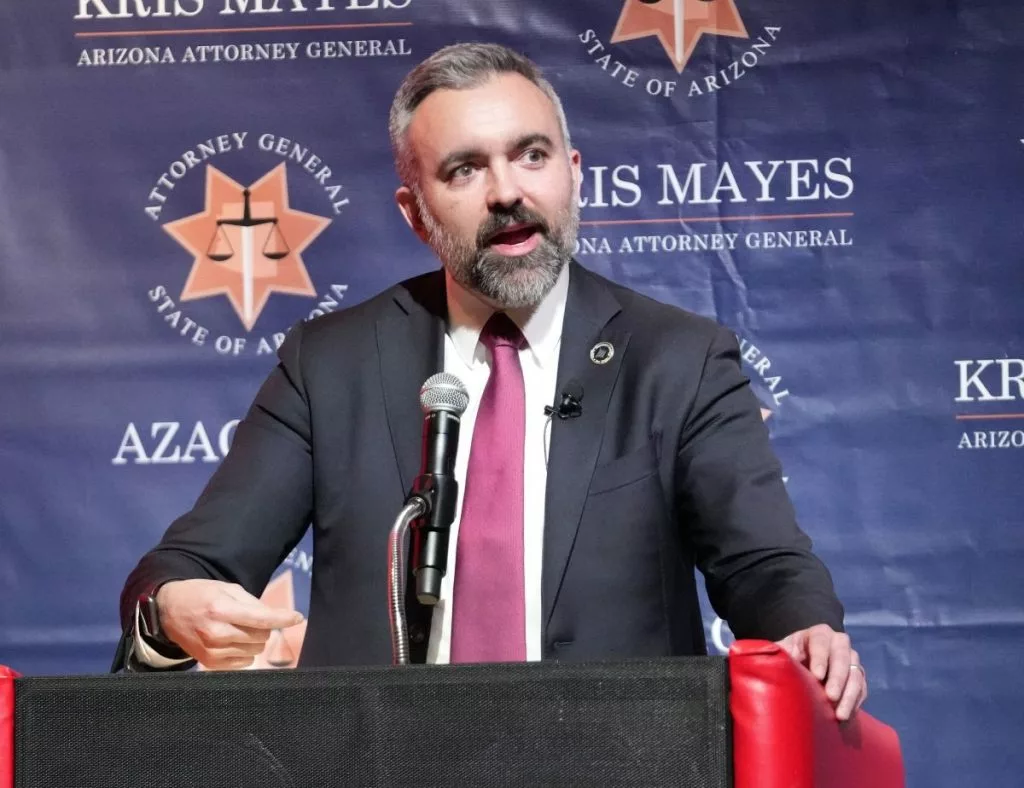
Yet another state has filed a lawsuit against Kalshi. This time it’s New Mexico, as attorney general Raul Torrez announced the state would file a lawsuit alleging Kalshi had violated laws regarding legal sports betting in the Land of Enchantment.
New Mexico law only allows legal sports betting at physical tribal casinos. But Kalshi has allowed people in New Mexico to place online wagers on prediction markets. According to Torrez, that undercuts the law and avoids state regulation.
“The only lawful gaming in New Mexico operates either under tribal-state gaming compacts, or under strict state regulations to ensure honest gaming free from corruption, and licenses gaming operators only after they explain how they plan to address compulsive gambling,” Torrez stated in his announcement. “Kalshi has ignored that framework entirely while offering online sports betting within the state.”
It’s the second lawsuit to come out of New Mexico against prediction markets in as many months. In May, four tribes in New Mexico sued Kalshi, claiming violations of the laws regarding legal sports betting. The cases have similar arguments, but it’s unclear if the lawsuits will remain separate or if they’ll join together.
What Legal Sports Betting Exists in New Mexico?
All sports wagers in New Mexico must be made in-person at one of the state’s six tribal casinos. While New Mexico launched sports betting in 2018, it never legalized online betting. With the tribes in control of gaming in the state, New Mexico has never made an strong effort to change its landscape.
Kalshi’s presence, however, spurred both the tribes and the state to take action. Kalshi first became available in July 2024, and has exploded in popularity since then. As it has not been legally classified as sports betting, Kalshi pays no taxes while operating in New Mexico.
That gives both the state and the tribes a vested interest. The state’s tribes pay between 2 and 10% of gambling revenue to the state. In 2025, that resulted in up to $26 million distributed.
What Questions Exist Regarding Kalshi and Legal Sports Betting?
The biggest question is whether Kalshi legally qualifies as sports betting. That’s been one of two main questions at the heart of the prediction markets debate. The other is who has jurisdiction over Kalshi, Polymarket and other prediction markets, and the questions go hand-in-hand.
If classified as a form of sports betting, prediction markets would fall under either tribal or state jurisdictions. Under the 1988 Indian Regulatory Gaming Act, tribes retain exclusive rights to offer gambling on their lands. Since the 2018 Murphy v. NCAA decision, states can also offer and regulate legal sports betting.
But Kalshi has maintained it’s a contract market, which would be subject to federal oversight. Under the Commodity Exchange Act, federal law would supersede both tribal and state authority. That would have cases decided in federal court, which might be more favorable to prediction markets.
New Mexico also claims that Kalshi has violated age limits. In the Land of Enchantment, the minimum age for legal sports betting and other forms of gambling is 21. But Kalshi allows 18-year-olds to participate, which Torrez has highlighted in the lawsuit.
What’s Next For the Lawsuit?
Kalshi’s next move will likely be to try to move the suit to federal court. That’s likely to come in the form of a countersuit, as Kalshi has followed that strategy before.
For the state’s lawsuit, the next question is whether an injunction will be granted. If so, Kalshi would have to geofence New Mexico until the case were decided or settled. In other states, an injunction has taken multiple months, but has tended to favor the states.
If a similar timeline follows, a decision would likely come around October.
-

Restoration of Gambling Loss Deduction Clears House Committee
-
Nationals vs. Tigers Prediction, Odds & Props for Sept. 21: Detroit gets W
-

WOW Vegas Announces and Pulls WOW Rips; Reveals 200% Bonus Instead
-

CrashDuel Sweepstakes Casino September Rush: Claim a Share of 4,500 SC
-

Trade $25 Get $25 on Chargers vs Bills NFL: Use Kalshi Code [bonus-code operator="3731" section="sportspredictions"]
-

Play $5 Get $50 Bonus on Chiefs vs Dolphins NFL: Use Underdog Code [bonus-code operator="2162" section="dailyfantasysports"]