New Bill Targets Sports Prediction Markets: What Does It Mean for Kalshi and Polymarket?
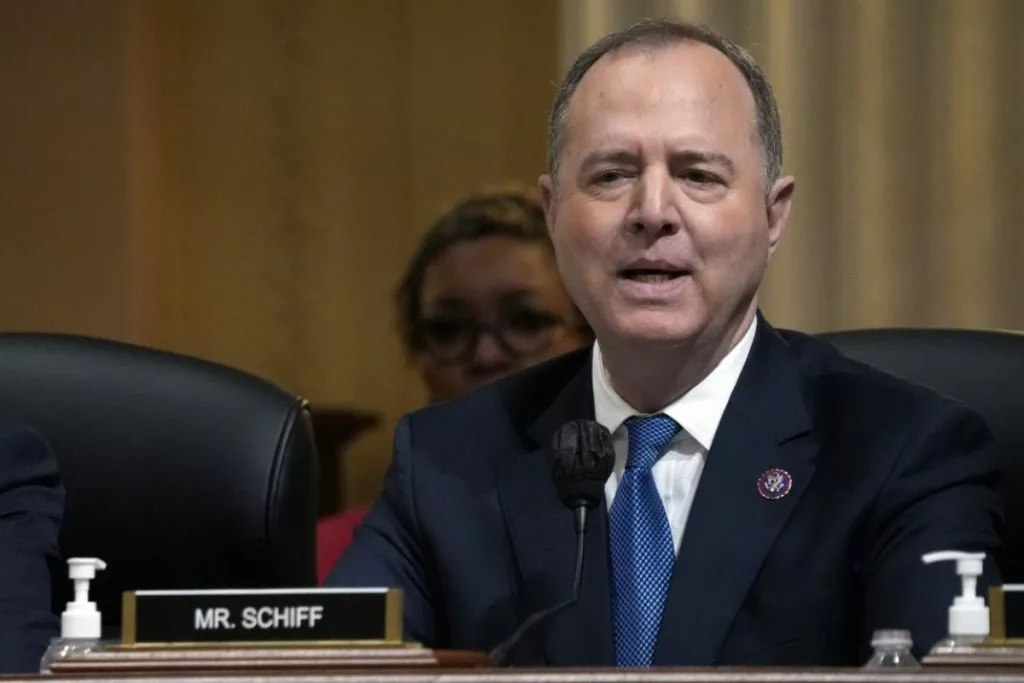
The latest push for Prediction Markets regulation just took a serious turn. A new bipartisan bill, officially called the Prediction Markets Gambling Act, aims to draw a clear line between financial trading and what lawmakers consider straight-up sports betting. If it passes, the impact on platforms like Kalshi and Polymarket would be immediate and very real. At its core, this is not a subtle tweak. It is a direct attempt to shut down sports-related contracts on federally regulated prediction platforms.
What the Bill Actually Does in Real Terms
Adam Schiff's Prediction Markets proposal efforts alongside John Curtis Bill's Prediction Markets push would prohibit any CFTC-regulated exchange from offering contracts that resemble sports bets or casino-style outcomes. In simple terms, this means a sports Prediction Markets ban at the federal level for platforms operating under derivatives law. Kalshi would no longer be able to list contracts on March Madness, the Super Bowl, or any similar event. Polymarket, while offshore, would still feel pressure through enforcement, partnerships, and access points tied to U.S. users.
For users, the experience would change overnight. The "yes/no" contracts tied to sports outcomes would disappear, leaving only markets tied to economics, politics, or other non-gaming events. Anyone using these platforms primarily for sports would need to shift back to traditional sportsbooks or stop entirely. This also answers the growing question of are Prediction Markets legal in their current form. Lawmakers are signaling that, at least for sports, they do not believe they should be.
Why This Is Happening Right Now
Timing here is not random. Growth has been explosive, drawing attention from both regulators and politicians. Polymarket's rise has been especially loud. The platform gained credibility after accurately forecasting major geopolitical events while also attracting massive trading volume. That alone raised eyebrows, especially as conversations about insider information began to surface.
The bigger flashpoint, though, has been mainstream exposure. Partnerships with major leagues, including a high-profile deal in professional baseball, have pushed prediction markets into the spotlight. That level of visibility makes it much harder for regulators to ignore what is happening. Kalshi has followed a similar trajectory, with sports contracts generating huge volume. Once those numbers climbed into the hundreds of millions and beyond, the argument that these are niche financial tools lost its weight. Lawmakers are stepping in now because the industry has crossed from experimental to mainstream.
Why Kalshi and Polymarket Are Under Pressure Now
Both platforms sit at the center of the Kalshi regulation and Polymarket regulation debate, but for slightly different reasons. Kalshi operates within the U.S. regulatory framework, which makes it the easiest target. Courts are already split on whether its products qualify as financial instruments or gambling, and this bill attempts to settle that debate by removing the ambiguity entirely. Polymarket presents a different kind of concern.
Its global reach, massive trading spikes, and ability to reflect real-world sentiment have made it influential in ways few expected. Some of its markets have raised questions about whether users could be trading on non-public information, especially in politics and global events. There is also a broader concern about societal impact. Lawmakers are framing these platforms as a backdoor into nationwide gambling, particularly in states that have banned it outright. That argument resonates more as these platforms grow faster and become more visible.
How New Policy Changes Could Reshape Prediction Markets
This moment feels like a fork in the road for the entire industry. The Prediction Markets Gambling Act could push platforms toward three very different futures. One outcome is a full removal of sports contracts, leaving prediction markets focused strictly on financial, political, and economic events. That would preserve federal oversight but limit mainstream appeal.
Another path is state-level control. If states gain authority, prediction markets could start to look a lot more like sportsbooks, with licenses, taxes, and geographic restrictions. That would fundamentally change how these platforms operate and scale. A third possibility sits in the middle. Federal regulators could retain control while tightening rules on which contract types are allowed and who can participate. No matter which direction this goes, the days of loosely defined Prediction Markets Regulation could be coming to an end.
-

Up to 103 SC + 20,500 GC for FREE on Chiefs vs Seahawks NFL: Use Legendz Code BTSLINES
-

Promo Code PREMARLINES for Kalshi: Week 7 NFL: Kalshi & Betting Odds
-

Promo Code From BetMGM: BTSLINES Week 7 NFL Weekend
-

Michigan's Gross Sports Betting Revenue in September Jumps 27% YoY to $56.3M
-

Mediating Gambling & AI: Ep. 92 of Low Rollers Podcast ft. George Ng (Sponsored by TheLines)
-

Maine Online Casinos Launch Risks Delay, Warns State Gambling Unit