Nevada Representatives Introduce Bill to Ban Sports on Prediction Markets
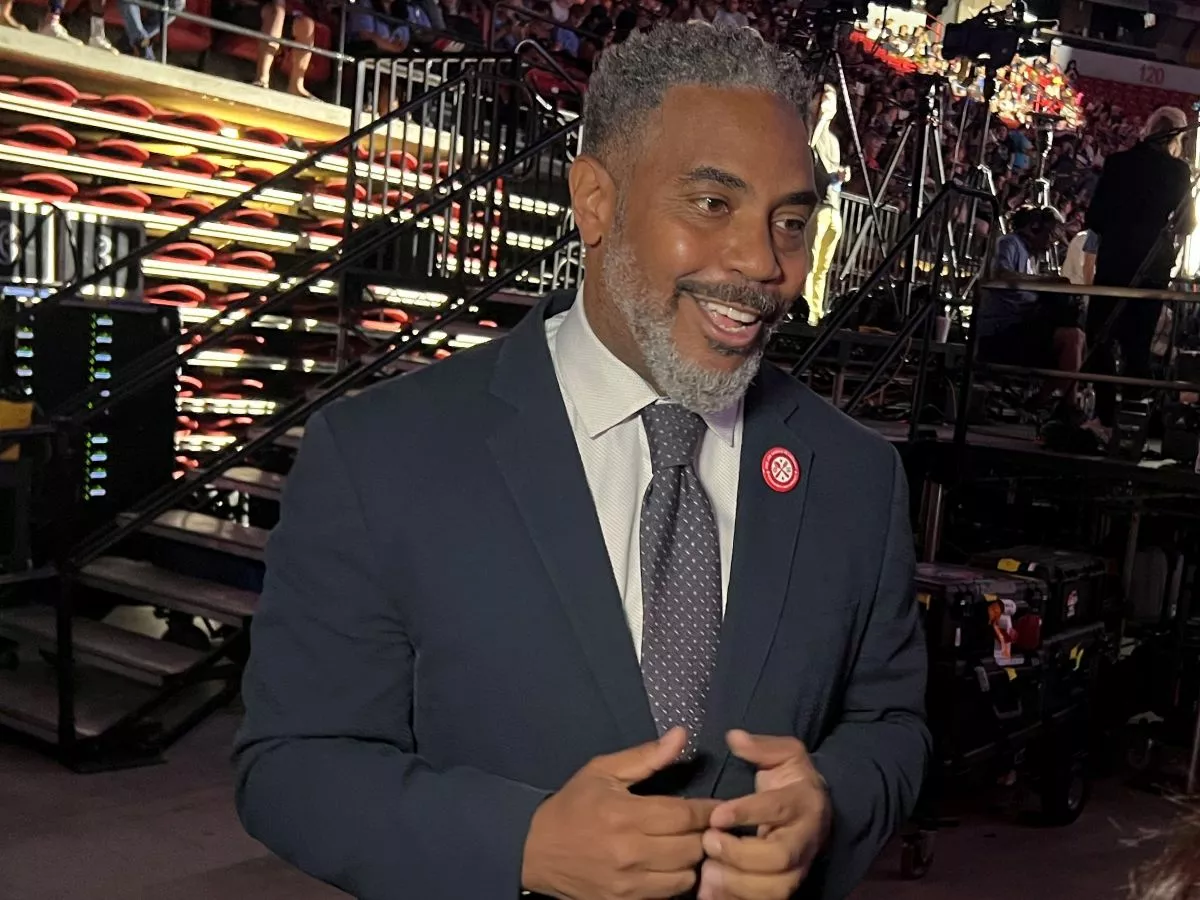
Two Nevada congressmen have come together on a bill that would ban sports on prediction markets — which could completely change the way they operate.
Rep. Steven Horsford (D-Nev.) and Rep. Mark Amodei (R-Nev.) have introduced a bill called the Prediction Markets Are Gambling Act. This bill would explicitly restrict prediction markets from offering any action on sporting events. Instead, they’d have to follow state laws to offer legal sports betting.
“Nevada has always been the gold standard for gaming regulations,” Horsford said. These companies are exploiting a federal loophole that allows them to effectively sidestep state oversight that every other legal sportsbook must follow.”
If the federal legislature opts to ban sports on prediction markets, it would drastically change the business model for Kalshi, Polymarket and others. While prediction markets have stressed that their contracts are not sports betting, most of their business comes from sporting events. During the World Cup, prediction markets made up about 25% of all action taken on matches.
If this bill passes, prediction markets would have to return to contracts focused on other aspects of life. States have argued that prediction markets should fall under their jurisdiction because they represent gambling interests. Conversely, the federal government has tried to say it has jurisdiction.
But with a nationwide bill in place, any sports betting would disappear and return to traditional sportsbooks.
Why Is This Bill to Ban Sports on Prediction Markets Necessary?
In short, it’s a way to close a loophole that has allowed prediction markets to cut into sports betting revenues. The federal government has insisted that prediction markets fall under the jurisdiction of the Commodity Futures Trading Commission,(CFTC). Traditionally, that’s been used to allow trading on futures for things such as the price of oil or crops.
But extending it to sports predictions changed the game. In a place like Nevada, which has long depended on gambling, that’s important. Notably, Nevada doesn’t allow mobile sports betting until a person physically visits a casino to sign up. The Silver State has 185 retail sportsbooks, and its policies are intended to protect them.
This proposal has the potential for support across the political spectrum. In the Senate, a similar bill earned sponsorship from both Sen. John Curtis of Utah and Sen. Catherine Cortez Masto of Nevada. Those senators represent completely opposite interests. Utah has no form of legal gambling, while Nevada relies heavily on it. But neither state wants prediction markets offering sports betting in their borders.
Does The Bill Have a Chance to Pass?
It does, but its future is murky. President Donald Trump is likely to veto such legislation should it reach him. He has taken a strong position in favor of prediction markets, and anything that would ban sports on prediction markets would make their business model difficult.
That said, Trump has shown a tendency to fold in the face of enough pressure. If enough legislators on both sides come together, Trump might decide he can’t protect prediction markets anymore and allow the bill to become law.
If that happens, the legal strategy would certainly change. There’s long been a sense that this dispute will need the Supreme Court’s ruling. A law on the books would make it harder for prediction markets to find a winning legal strategy.
What’s the Timeline?
Any bill isn’t going to be debated until at least August 31. Congress has entered its summer recess, and no new bills will be considered before then. Most likely, a bill to ban sports on prediction markets won’t come to the floor for several months.
With elections now less than four months away, it’s likely that a vote will come before a completely different congressional body. But with prediction markets drawing criticism across the aisle, that might not derail its chances.
-
Nevada Representatives Introduce Bill to Ban Sports on Prediction Markets
-
The Decision, Part II: LeBron Chooses 76ers
-
Panthers Lose Nic Scourton to Torn ACL at Training Camp
-

Crown Coins' Game of the Day Creates One Massive Winner With 1M SC Prize
-
MLB Today’s Best Bets for July 24: Home Run Picks & Top Player Props
-
Pennsylvania Considering Bill to Ban Microbetting