MLB Partners with Polymarket: What Does This Prediction Markets Partnership Mean For Traditional Sportsbooks?
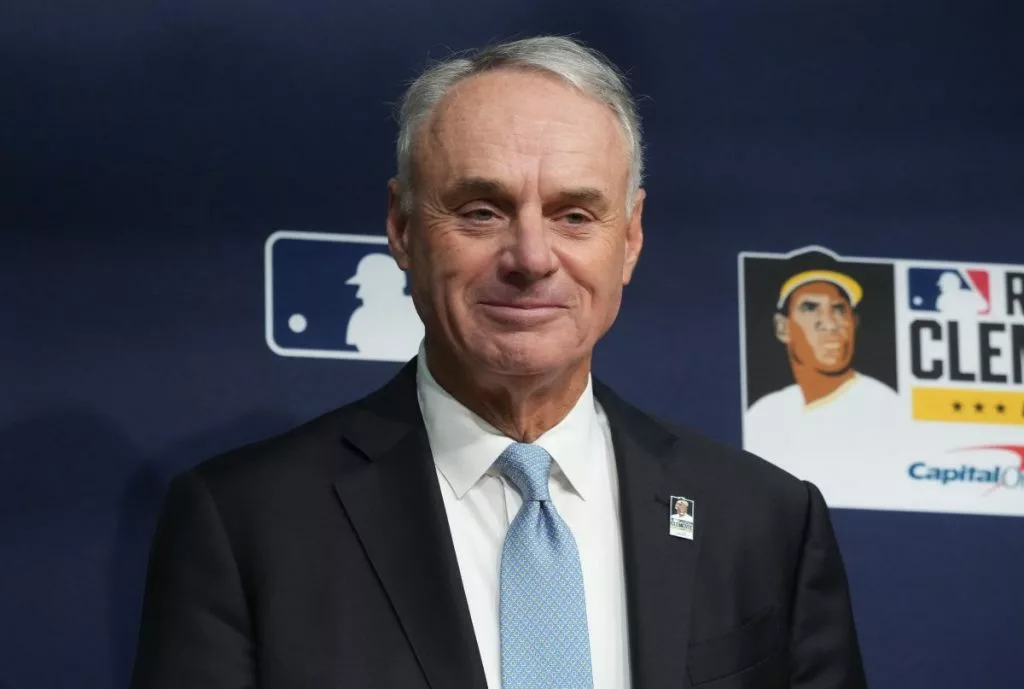
MLB linking up with Polymarket is one of those moves that quietly signals a bigger change coming. On the surface, it looks like any other pro league partnership. In reality, it is MLB stepping into a different kind of ecosystem that doesn’t operate like a traditional sportsbook at all, but rather a prediction markets regulation one.
What stands out to me is how this could reshape fan behavior over time. The MLB Polymarket deal introduces a model where you are not just picking winners, you are actively interacting with a live market tied to the game.
Prediction Markets vs Traditional Sports Platforms: Key differences explained
Most people are familiar with how sportsbooks work. You log into something like DraftKings Sportsbook, pick a side, and place a bet based on the odds being offered. The operator sets those odds, and once your bet is in, you are locked into that position until the game ends.
Prediction markets take a different approach. Platforms like Polymarket and Kalshi operate on contracts that users trade. Each contract is priced between $0 and $1, reflecting the probability of something happening. If a team is trading at $0.55, the market is saying they have a 55% chance of winning.
That small change creates a completely different experience. A bettor waits for the outcome. A trader can enter a position and exit whenever the price moves in their favor. That is really the heart of prediction markets vs sportsbooks. One is static once you place your bet, the other is constantly moving and gives you more control.
Why Robinhood and Kalshi are expanding Prediction Markets beyond trading
The sports use case is just the starting point. The bigger story is how companies like Robinhood and Kalshi are thinking about where this goes next. They are not building a niche sports product. They are building something that looks a lot closer to a full-scale trading environment.
That is why Kalshi Robinhood Prediction Markets are expanding into areas such as elections, inflation, and other real-world outcomes. This is where the idea of “beyond betting” actually matters. You are no longer limited to sports. You are trading on information, trends, and events that impact the real world.
A simple way to look at event trading is how quickly markets react. News breaks, prices shift, and users can adjust instantly. That is very different from placing a bet and being stuck with it. It feels much closer to how people trade stocks or crypto than how they bet on games. For more context, you can check out Kalshi and Robinhood Prediction Markets to see how these platforms are positioning themselves.
Zooming out, the Polymarket MLB deal is less about baseball specifically and more about where the industry might be headed. Sportsbooks are still the standard right now, but this model offers something different. It is more interactive, more flexible, and built around how people already think when they are following games in real time.
-

Presidents Cup Odds & Predictions for 2026: Good American Chalk
-

Moozi Sweepstakes Casino Launches Free SC Oktoberfest Bundle & 8 New Slots
-

MyPrize Sweepstakes Casino Packs: Get Free Card Packs & New Yu-Gi-Oh! Bundles
-

MLB Best Bets Today: Top Pitcher Props for Sept. 22
-
Jaxson Dart Avoids Season-Ending Knee Injury After Scary Exit Against Rams
-
MLB Home Run Props and Predictions Today: Top Player Props for Sept. 22