Kalshi Legal Update: Ohio Court Classifies Prediction Market as Sports Betting
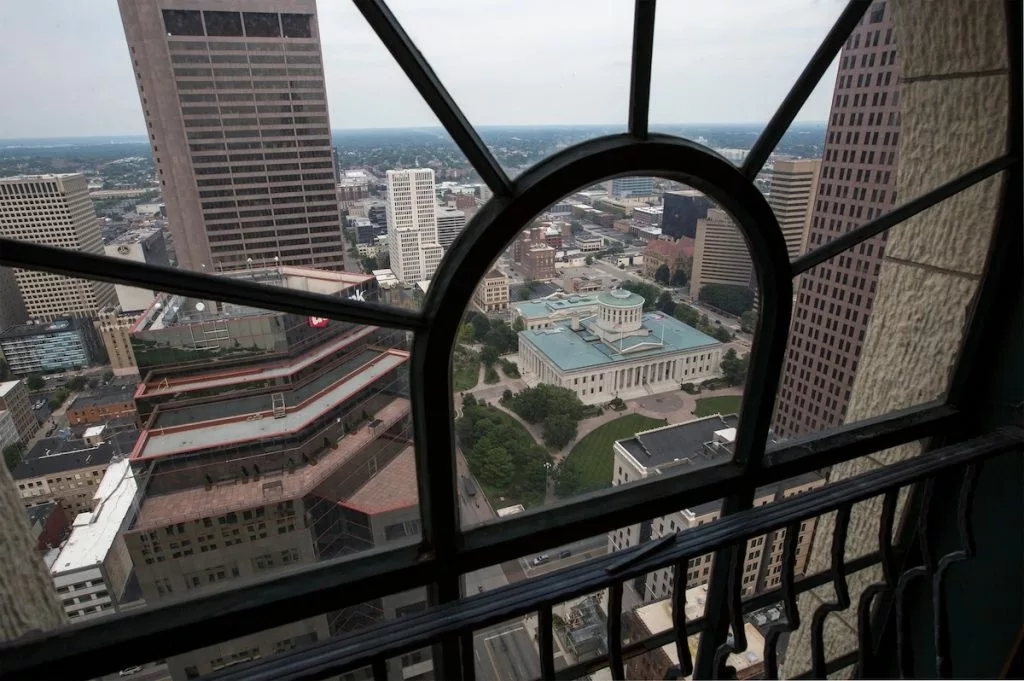
Prediction Market Legal News continues to make headlines as a judge in Ohio has ruled that the prediction market platform Kalshi must follow the state's sports betting laws. This is a new twist in the debate over whether prediction markets are legal. The decision is one of the most recent developments in a growing legal battle between the operators of prediction markets and state regulators nationwide.
In the last year, prediction markets have grown quickly. Users can now trade contracts based on the results of everything from elections to sports. Supporters say these markets are good for making predictions, but critics say they are very similar to sports betting. The Ohio ruling shows that judges in different states still don't agree on how to regulate these markets.
Judge Rejects Kalshi's Argument
The case basically came down to one thing: whether the Kalshi sports contract should be treated as a financial contract or a wager. Kalshi tried to block enforcement efforts by the Ohio Casino Control Commission, which claimed Kalshi was essentially running an unlicensed sportsbook.
U.S. District Judge Sarah Morrison rejected Kalshi's request for a preliminary injunction and sided with the state regulators. She ruled that the sports contracts offered through prediction markets are not swaps under federal commodities law. Ohio Attorney General Dave Yost welcomed the decision, arguing that the rapid rise of Sports Prediction Markets closely resembles traditional gambling activity.
Conflicting Court Decisions Nationwide
Legal outcomes around the country have been anything but consistent. Some courts have sided with Prediction Market platforms, while others have supported state regulators trying to limit their operations. A court in Tennessee recently ruled that local regulators may not force Kalshi to comply with state gambling laws. Judges in Massachusetts and Nevada have taken the opposite position, agreeing with state officials who say sports prediction contracts fall under betting regulations.
The result has created a confusing legal landscape for platforms, traders, and regulators alike. Each new ruling adds another layer to the debate and raises questions about who ultimately has authority over these markets. Many industry observers see this growing conflict as the major storyline in Prediction Market News right now.
Regulators and Lawmakers Push Back
State governments have increasingly opposed the growth of prediction markets. Officials say that in the past, states have regulated sports betting by requiring operators to get licenses and pay taxes. FanDuel and DraftKings are two sportsbook companies that have entered many states through lengthy regulatory processes, including tax agreements and compliance reviews.
Prediction Market platforms say they operate differently and often refer to their contracts as "financial trading" rather than "betting." Lawmakers and regulators have had heated arguments about this difference. Some people are worried that platforms that offer contracts based on events like elections or global conflicts could make Political Prediction Markets less ethical.
Industry Leaders Say Markets Serve a Different Purpose
People who support prediction markets say that the sites are more than just fun. Supporters say that trading contracts on real-world outcomes can provide useful insights into future outcomes, helping businesses and policymakers understand how people feel. As people look for the Best Prediction Markets for trading event outcomes, several major platforms have become more popular.
New companies and financial technology companies are also starting to look into the area. Platforms like Crypto.com have also joined the conversation by offering prediction-style markets based on big events around the world. In the next few months, more lawsuits and appeals are likely. As the prediction market industry grows and regulators try to determine where betting ends and financial forecasting begins, courts will likely continue to play a role in its future.
-
Pickem Sweepstakes Casino Slots Tournament: Win Up to 150 SC Free
-
Indiana vs. Nebraska Prediction, Odds & Picks for Oct. 10: Hoosiers Turn Back Huskers
-

ClutchPacks Launches New & Limited Card Rips Sports Collection: Pull Cards Worth $130K
-
Rookie QB Jaylon Daniels Makes History in Tampa Bay Win
-
Chanced Sweepstakes Casino Launches Major Bundle Insurance: Get 10% of Losses Back
-

Trump’s Next Press Secretary Prediction Market: Katie Zacharia Selected