Kalshi Files Suit to Block Prediction Markets Tax in Illinois
The latest dispute between prediction markets and Illinois has entered the judicial pathway. This time, it’s over the Land of Lincoln’s new prediction markets tax.
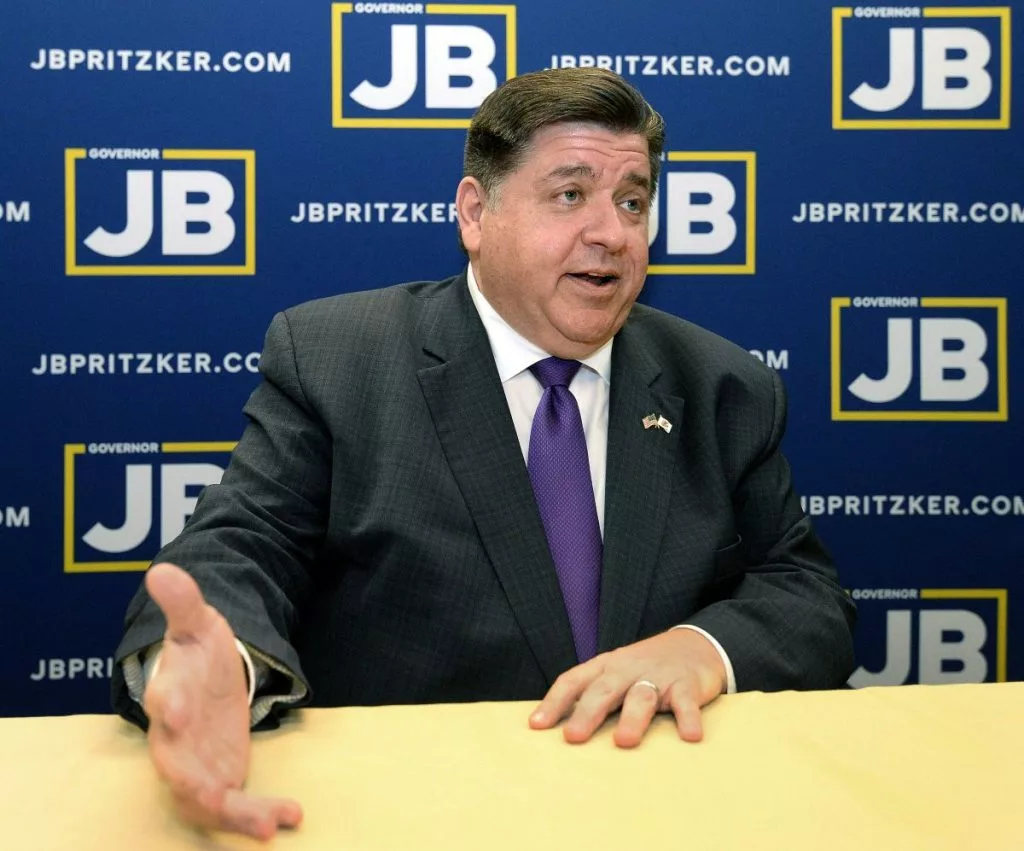
Kalshi has filed a lawsuit in federal court against Illinois governor JB Pritzker and attorney general Kwame Raoul. The suit attempts to block a new tax on prediction markets in the state, arguing irreparable financial harm. Prior to the lawsuit, a new 15% prediction markets tax was set to go into effect on July 1 in Illinois.
The new tax is part of Illinois’ efforts to both rein in prediction markets and make money off the practice. As in several other states, Illinois has argued that prediction markets are no different from sports betting.
That has led the state to argue for a prediction markets tax, claiming that Kalshi and other prediction markets should be regulated and taxed. The state has set a lower tax rate for prediction markets than other forms of gambling, as Illinois uses a progressive tax rate of up to 40% for sports betting.
Kalshi, however, has argued that it offers futures contracts as opposed to betting. That claim would mean it’s governed by the federal government, exempting it from state taxes.
What Does the Lawsuit Allege Regarding the Prediction Markets Tax?
In short, Kalshi is arguing for immediate relief. When the law goes into effect on July 1, Kalshi either has to get a license to operate in Illinois, or geofence the state from its services.
If the injunction isn’t granted, Kalshi would most likely go the geofence route. It has argued that the Commodity Futures Trading Commission requires uniformity, which wouldn’t be the case if Kalshi gets a license in Illinois. Given how much Kalshi has staked on its claim of the CTFC’s authority, it’s not going to do anything to jeopardize that legal argument by following rules to operate in Illinois.
Kalshi’s lawsuit has asked for a permanent injunction in the lawsuit and a preliminary injunction overall. A preliminary injunction would block the part of the law affecting Kalshi until the suit is decided. However, Kalshi would have to show it’s likely to win on the merits to obtain one.
How Would Illinois Law Be Affected?
Because the law was Illinois’ budgetary law for the year, a judge would have to carefully comb Senate Bill 3019. That’s not uncommon for complex legislation. When a law that covers multiple topics faces legal jeopardy, injunctions only block the parts of the law in question.
That would allow Illinois’ overall budget to go through, without the parts related to the case. However, that could leave the Prairie State with a shortfall. If it can’t count on the funds related to the prediction markets tax, that might lead to cuts to the state’s budget.
How Soon Could a Decision Come?
It’s unclear, but both sides will likely want a quick decision. With only a week until the new law is supposed to go into effect, time is of the essence. Pritzker and Raoul will need time to prepare a response, but the courts will likely try to speed things up as much as possible.
July 1 is a key day to watch. If no decision on the prediction markets tax has come, Kalshi will likely pause services in Illinois until a decision comes on its injunction.
If the injunction isn’t granted, it might be a disastrous sign for the prediction markets’ strategies. A lack of an injunction would suggest Kalshi is unlikely to win on merits. Such a decision could drastically reshape pending cases in other states.
Currently, Kalshi has lawsuits pending against almost 20 states. At the same time, the CTFC has filed suits against nine different states to attempt to assert authority.
-
Missouri vs. Mississippi Prediction, Odds & Picks for Oct. 17: Prove-It Spot For SEC Sides
-

NHL Anytime Goal Scorer Predictions Today: Best Bets for Oct. 17
-

Penguins vs. Golden Knights Prediction, Odds & Picks for Oct. 17: Pittsburgh Rolls Snake Eyes
-
Mississippi State vs. LSU Prediction, Odds & Picks for Oct. 17: Tigers Make a Statement
-

‘Sense and Sensibility’ Rotten Tomatoes Prediction Markets: Score Forecasts
-
Ohio State vs. Indiana Prediction, Odds & Picks for Oct. 17: Defense Rules the Day