Illinois Stands Against Injunction in Prediction Market Lawsuit
So far, the goal of each prediction market lawsuit has been to get the suit to federal court. But that’s not a sure thing, and the state of Illinois’ response to the Commodity Futures Trading Commission’s lawsuit says that the states believe they can win.
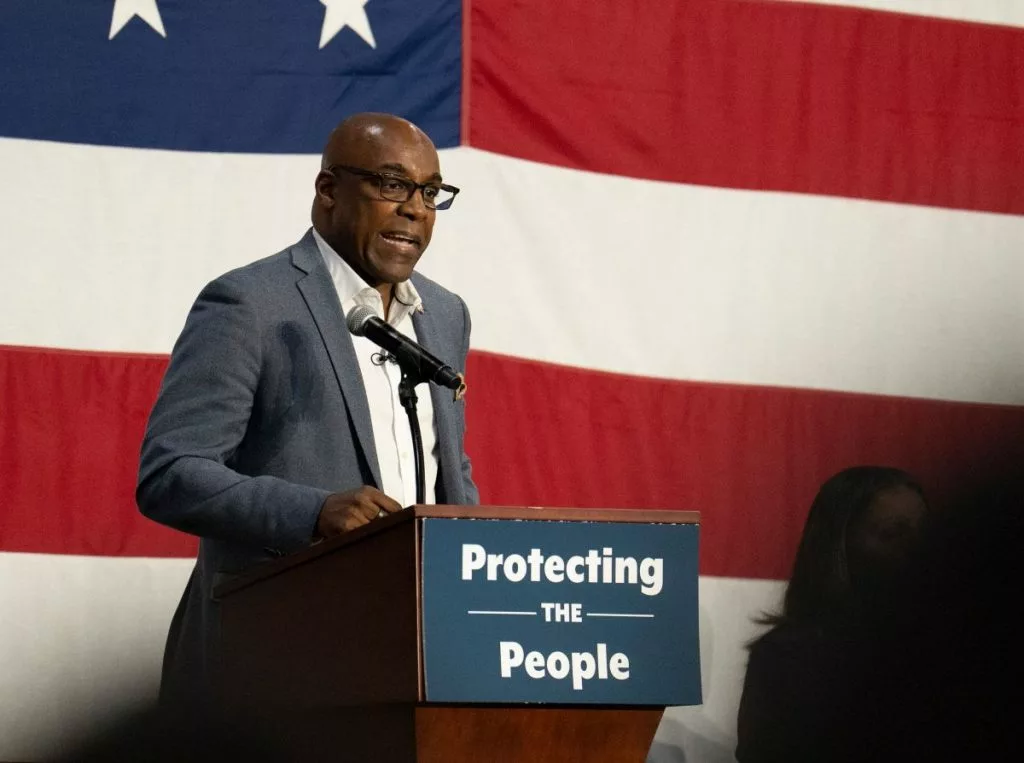
Illinois attorney general Kwame Raoul filed a 43-page response to the CFTC’s lawsuit, suggesting that the state is likely to prevail on the merits. The CFTC had filed for an injunction to stop Illinois from enforcing its gambling laws. In it, it claimed that prediction markets are under the CFTC’s jurisdiction.
In order to get the injunction, the CFTC has to show both irreparable harm and that it’s likely to succeed on the case’s merits. Both of those might be difficult to show, as Illinois wouldn’t be the first state that prediction markets have to geofence.
But a loss in this prediction market lawsuit might be difficult for Kalshi and Polymarket to overcome. While the executive branch of the federal government is clearly on their side, the legislative and judicial branches are far less supportive. If the judicial branch won’t accept the prediction markets’ arguments, there aren’t many places to turn.
What Is At the Heart of This Prediction Market Lawsuit?
In October 2025, Illinois began sending cease-and-desist letters to prediction markets, saying that they were considered gambling. Sports betting is prevalent in Illinois, but it’s also highly regulated. Kalshi, Polymarket and others have mostly avoided regulations by claiming to be offering event contracts, not traditional sports bets.
Illinois argued that that’s a distinction without a difference. That matters greatly in the Prairie State, because it operates with different tax rates. Illinois taxes sportsbooks based on how many wagers they take in, with higher-volume sportsbooks taxed at higher rates. On top of that, Chicago levies its own tax on wagers, and at 21% of Illinois’ population, that’s a large amount of revenue.
If the prediction market lawsuit goes against the federal government, Kalshi, Polymarket and other operators would have to accept Illinois’ rules or geofence the state.
What Is At the Heart of Illinois’ Response?
The biggest part of Illinois’ response is that there’s no irreparable harm suffered by Kalshi, Polymarket and others. Part of that aligns with Kalshi’s recent court struggles in Michigan. In Michigan, Kalshi has faced an injunction going the other direction.
In that state, Kalshi was ordered to geofence over a period of 30 days, in part because it couldn’t show that it would be harmed by blocking the state out of its offerings. Kalshi was able to convince the judge to buy it some time, but could not show any real harm of getting blocked out.
Additionally, Illinois isn’t the only state that’s done something like this. Several states have triggered a lawsuit by filing cease-and-desist letters and taking legal action of their own. While the CFTC has taken similar actions against those states, it hasn’t yet shown irreparable harm.
What’s Likely to Be the Fallout?
Most likely, the outcome will go one of two ways. If the CFTC wins the injunction, little is likely to change. It will continue to operate in Illinois, and the state will make its full case in federal court.
But if the injunction gets denied, it’s likely to trigger a change in legal strategy. If the CFTC loses here, that says that claiming federal oversight isn’t likely to work.
-

'Tip of the Iceberg': NBA Gambling Scandals Imply Offshore Problem
-

NHL Anytime Goal Scorer Predictions Today: Best Bets for Oct. 2
-

College Football Picks and Parlays for Week 5: The Big Boys Shine
-

Jalen Duren's Contract Standoff with Pistons Comes to an End
-

Pokémon Vintage Raffle: Win PSA 10 Cards for Free at Courtyard.io
-

Spree Sweepstakes Casino Adds NoLimit City Slots: Play With 'No Limits', 'No Rules'