Illinois Appeals Against Legal Block in Ongoing Prediction Markets War
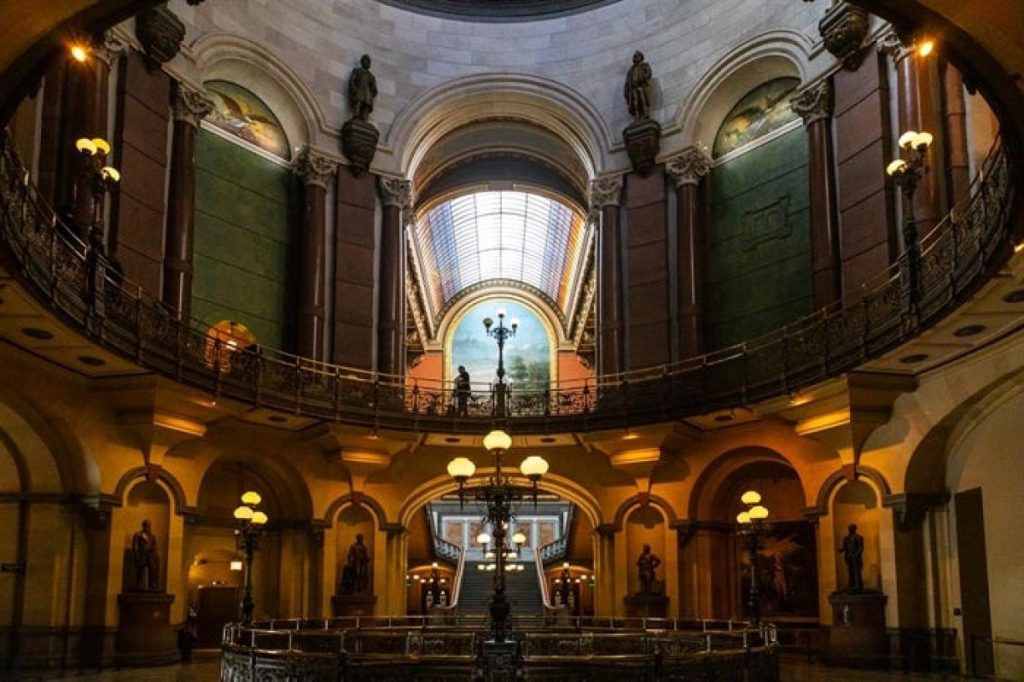
Illinois has appealed to the Seventh Circuit court in protest against a block on its attempts to regulate prediction markets.
For the time being, Illinois is prohibited from imposing its state gambling laws on Kalshi and others. They will also not be allowed to tax the exchanges under the same rules.
A federal judge had thrown out Illinois’ attempts to target prediction markets as “unlicensed gambling” platforms. In what is becoming a common thread across the U.S., Illinois is taking matters to another appeals court.
Illinois and Wisconsin Seventh Circuit Courts at Odds
Illinois’ latest attempts to regulate prediction markets comes amidst a series of back-and-forth tussles that stretch back months. However, the outcomes in the appeals courts tend to differ from state to state.
The most recent blow for the states came when a federal judge ruled that Illinois regulators had no control over existing CFTC rules. Illinois is now challenging that decision.
The Seventh Circuit is overseeing a similar appeal from the CFTC against Wisconsin. In July, a different federal judge ruled against the CFTC, siding with Wisconsin that predictions constituted non-state-regulated gambling. The CFTC is now challenging that decision.
Illinois & Prediction Markets: How We Got Here
- October 2025: Illinois sends cease-and-desist letters to prediction markets, demanding they end offering “illegal gambling”.
- December 2025: Coinbase files a suit against Illinois.
- April 2026: The Commodity Futures Trading Commission sues three states, including Illinois, over their attempts to regulate CFTC-registered prediction markets.
- June 2026: Kalshi files a lawsuit against Illinois over its plans to impose a 15% tax on prediction markets.
- July 2026: Illinois Attorney General Kwame Raoul files a 43-page response to the CFTC charges, arguing that the state will prevail.
- October 2026: Kalshi and Coinbase win in federal court after Judge Martha Pacold ruled that prediction markets are regulated under CFTC control. Illinois’ tax and licensing plans are kept on the back burner.
- November 2026: Illinois launches Seventh Circuit Court appeal to that ruling.
What it Means for Illinois
Illinois has had legalized sports betting since 2019, with the first licensed bet placed a year later. The Illinois Sports Wagering Act, however, doesn’t contain language relating to “swaps”, the key component of prediction markets.
The state sought to alter the language of its gambling law to define “exchange wagers” as sports bets. It also wanted to impose taxes on lucrative exchanges at a rate of 1.75% for the first 5 million trades, going up to 3.5% beyond that.
Last month, Judge Martha Pacold ruled that Illinois couldn’t use its Sports Wagering Act to regulated financial swaps or event contracts on sporting outcomes.
If successful, CFTC-registered exchanges including Kalshi, Polymarket and Coinbase would have been subject to license fees and liable to pay a tax for every wager.
Pritzker Win Changes Nothing
With most votes counted, incumbent Illinois Governor JB Pritzker won in the midterms with a 59.8% share of the vote. So, how will that change gambling in the state in the next two years?
Gov. Pritzker was key to signing into law Illinois’ original sports betting legislation. He’s also been active on gambling issues this year.
In April, the governor signed an executive order barring elected officials and state employees from using insider information for trading on prediction markets. Financial insider trading is already outlawed in Illinois. However, the governor felt stronger action was needed amidst a wave of high-profile insider trading cases on prediction exchanges.
Most recently, Pritzker attempted to bring in changes to the current gambling setup and signed into law Senate Bill 2749 to enhance problem gambling treatment in the state.
-
Illinois Appeals Against Legal Block in Ongoing Prediction Markets War
-
Expert NBA Picks and Player Props: Best NBA Bets Today Nov. 4
-
Blackhawks vs. Panthers Odds, Picks & Prediction: Lay Panthers on Home Ice
-

FreeSpin Casino Offers 10 SC and 10,000 GC in Haunted Spin Giveaway Through November 4
-
Best College Football Games to Watch in Week 10: Top Matchups, TV Schedule & Preview
-

Spend $5 Get $50 in Free Play, Plus a 100% Match Up To $100 on Wizards vs Hawks NBA: Use Fliff Code TLCBET