Federal Judge Rejects Kalshi Lawsuit in Utah
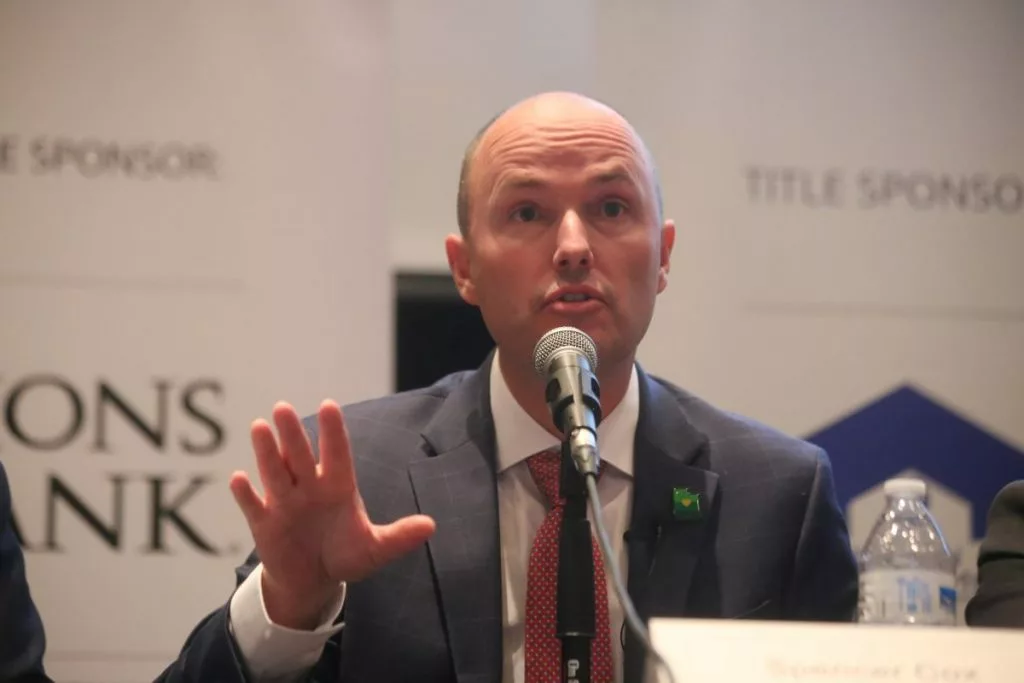
A Kalshi lawsuit against the toughest anti-gambling laws in the country has failed, likely meaning that the prediction market provider will have to geofence another state.
United States District Court Judge Robert Shelby denied Kalshi on summary judgment in its lawsuit against the Beehive State. Shelby ruled that federal contracts law does not supersede state gambling laws, and ordered the case closed. Kalshi appealed to the Tenth Circuit Court of Appeals on Aug. 6, although it seems to have little chance of success.
It’s a major blow to Kalshi’s long-term strategy, as it’s yet another instance where a judge has rejected the idea that Kalshi operates under federal contract laws. More importantly, it’s an example of a Kalshi lawsuit failing in a state that does not have legal gambling in place.
Utah doesn’t have any form of legal gambling, one of just two states where that’s true. The state has had a ban on gambling since writing its constitution in 1896, and it passed another law this year explicitly banning prop bets.
Shelby agreed with Utah attorney general Derek Brown that Kalshi operating under federal oversight did not exempt it from state gambling laws. The heart of the Kalshi lawsuit in Utah and other states has been that the Commodity Futures Trading Commission has full jurisdiction over event contracts, but Shelby disagreed.
“The court agrees that enforcement of state gambling laws is not inconsistent with the CFTC’s regulation and oversight of derivatives markets,” Shelby wrote. “Congress is aware that some States permit gambling while others do not and the CEA (Commodity Exchange Act) explicitly provides for state jurisdiction.”
What Does the Kalshi Lawsuit Loss Mean?
In the immediate future, it means that Kalshi has no legal protections in Utah. It’s important to note that Kalshi was the plaintiff preemptively trying to block Utah from enforcing laws against it. Now that Shelby has made his ruling, Brown can work to enforce state law against the provider.
Although the Kalshi lawsuit will now move to the Tenth Circuit, that doesn’t mean that Brown can’t enforce laws while litigation is pending. Shelby’s ruling means that Kalshi would have to get an injunction from the Tenth Circuit to stop Utah laws from being used against it. Otherwise, Brown is free to enforce the laws as written.
The loss also gives states another pathway to stopping prediction markets in their states. Earlier this year, Minnesota tried to legislate prediction markets out of its state. Federal courts stopped that because the judge ruled Minnesota’s law was too broad and might target commodity futures along with gambling. By taking a narrow approach to protect commodities, states would seem to have another way to eliminate prediction markets.
What Has the Reaction Been?
Interestingly, both pro-gambling and anti-gambling interests celebrated Shelby’s ruling. The reaction was expected from Utah government officials, but the American Gaming Association, a pro-casino lobbying firm, also applauded the decision.
“We agree with Attorney General Brown and 43 other state attorneys general that sports gambling is sports gambling — the so-called ‘prediction markets’ can’t rebrand it and offer it outside the law,” an AGA spokesperson said.”
-
Another Round of Upsets in Week 3 of College Football
-

MLB Pitcher Props for Sep. 20: deGrom Goes Deep at Home
-
Steelers vs. Patriots Prediction, Odds & Picks for Sept. 20: Pittsburgh Covers
-
SNF Week 2 NFL Parlay Picks & Player Props: Best Chiefs vs. Colts Bets
-

Coinz.us Hub: Sweepstakes Casino Revamps Mobile Experience, Adds Free Prizes
-
NFL Anytime TD Picks for Week 2 Sunday Slate: Best Bets for Sept. 20