Federal Judge Blocks Minnesota Prediction Markets Ban
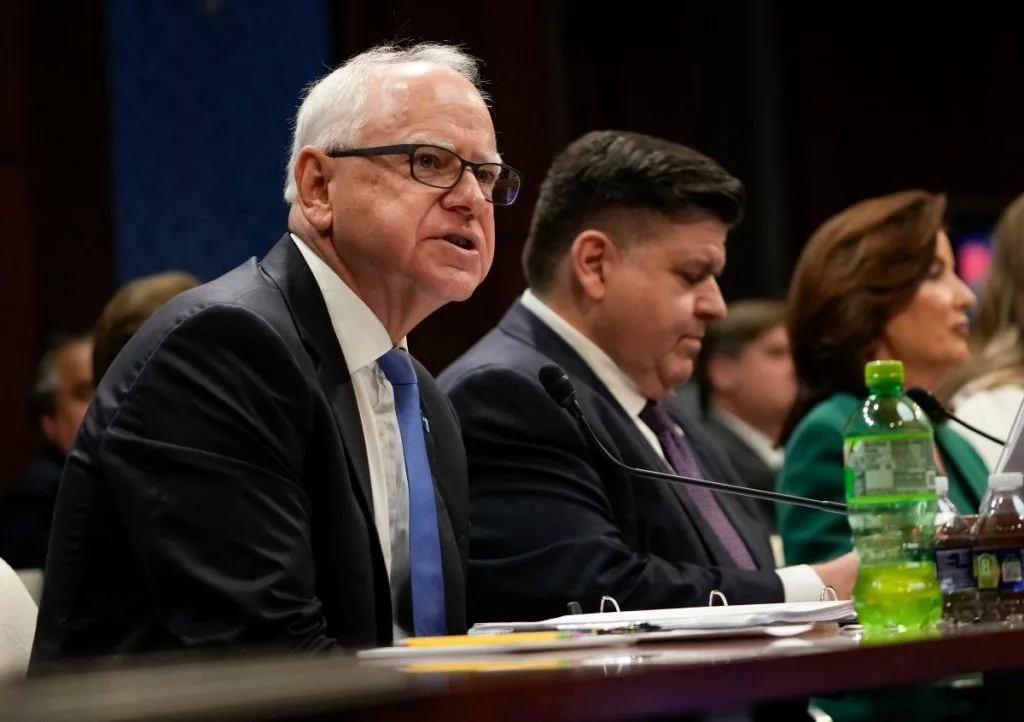
The Minnesota prediction markets ban is on hold for the time being.
United States District Judge Katherine Menendez issued a temporary injunction against Minnesota’s new law, which was set to take effect on August 1. With the injunction in place, prediction market operators such as Kalshi and Polymarket will remain operational in the Land of 10,000 Lakes as football season nears its beginning.
The injunction will last until Menendez renders a final verdict. It could also be overturned by a higher court before then.
The decision might provide further insight as to how this fight eventually gets decided. Minnesota is one of just a few states where no forms of online gambling are legal. Gambling in Minnesota is only permitted on tribal lands at brick-and-mortar casinos, with exceptions for the Minnesota Lottery and charitable gambling run by non-profits.
Without a form of legal gambling in place, the Minnesota prediction markets ban didn’t have a comparison it could point to. Nor did it have a comparable market, as Minnesota was the first state to try a legislative ban of prediction markets.
Instead, Menendez focused on the non-gambling contracts that prediction market laws were always meant to enforce. In her ruling, she stated that things such as the reopening of the Strait of Hormuz or the team an NBA player would sign with were not equivalent to sports betting. That made them contract swaps, which fell under the jurisdiction of the federal Commodity Futures Trading Commission (CFTC).
What Is the Short-Term Effect Regarding Prediction Markets?
The defeat of the Minnesota prediction markets ban is a win for Kalshi, Polymarket and other operators. With football season starting in mid-August, sports betting operators will likely see large increases in traffic. As Minnesota has no legal sportsbooks, prediction markets operators will scoop up those customers.
The injunction also says that Menendez finds the prediction markets’ argument compelling. Injunctions require the requesting party to show irreparable harm and a likelihood to succeed on merits. For Menendez to side with the prediction markets says the legislative branch might not be the way for states to stop prediction markets.
How Could Minnesota Respond?
Ironically, Minnesota’s best response at the legislative level might be to legalize traditional sports betting. Minnesota debated a bill, Senate File 4139, in its previous legislative session. But Sen. Nick Frentz (DFL-North Mankato) never saw his bill get out of committee. The legislature adjourned, and it won’t return until Jan. 12, 2027.
If sports betting were legal in Minnesota, the state could suggest regulating it instead of banning it. That approach has worked in Michigan, where both state-level judges and federal judges have ruled in favor of the state enforcing its gambling laws. Minnesota doesn’t have any such laws, so that option’s not currently available.
The state can appeal, but the lawsuit is locked to federal court from this point forward. Those courts have been more favorable to the prediction markets, as the current federal government is openly supportive of prediction markets.
Minnesota’s third option is to attempt to run out the clock. While president Donald Trump highly supports prediction markets, few in Washington outside of his administration share his opinion. Members of Congress in both parties have discussed a national prediction markets ban, which could make Menendez’s opinion moot.
How Could Running Out the Clock Affect the Minnesota Prediction Markets Ban?
Minnesota could run out the clock in one of two ways. It could support congressional efforts to enact a prediction markets ban. The state has eight representatives and two senators. It could provide powerful voices supporting a ban from both sides of the political aisle.
Minnesota’s other option is to wait for Trump to leave office. The president is term-limited and cannot run again in 2028. His replacement, regardless of party, is far less likely to support prediction markets. The legislature could reintroduce a Minnesota prediction markets ban in 2029, when the federal government might not be so willing to defend the operators.
That, however, would mean at least a three-year wait. It’s far more likely Minnesota will try a different strategy in 2027, when the legislature returns to session.
-

Trade $25 Get $25 on Giants vs Dodgers MLB: Use Kalshi Code [bonus-code operator="3731" section="sportspredictions"]
-
Drew Brees Nearly Came Out of Retirement for Broncos in AFC Championship Game
-
MLB Home Run Props and Predictions Today: Top Player Props for Sept. 15
-

Moozi Sweepstakes Casino Adds 10 New Games: Get 15 SC Free
-

$1500 Bonus Bets If Lose on Yankees vs Twins MLB: Use BetMGM Code [bonus-code operator="832" section="sport"]
-
Trade $25 Get $25 on Orioles vs Mets MLB: Use Kalshi Code [bonus-code operator="3731" section="sportspredictions"]