Election Administrator Takes Aim at Prediction Markets in Maryland
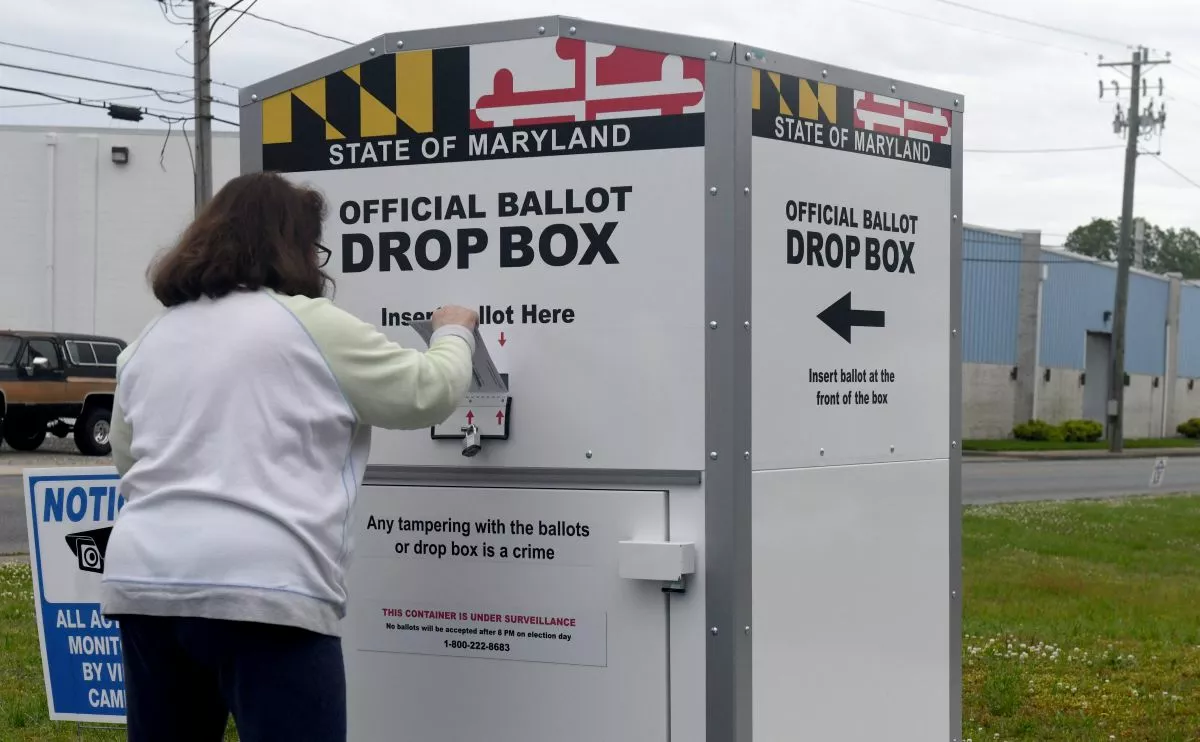
Prediction markets in Maryland have already come under fire for offering a way to wager on sports. Now the state’s top election official is raising issues regarding their contracts on election results.
Maryland State Election Administrator Jared DeMarinis filed a letter to the office of State Prosecutor Charlton T. Howard III, asking his office to investigate whether Kalshi, Polymarket and other prediction markets have violated Maryland law. Specifically, DeMarinis believes that the state’s law is simple and direct, prohibiting all wagers on election outcomes.
According to Maryland Legal Code 16-902, no person may wager on elections in Maryland. Anyone found doing so is subject to a fine of up to $500, plus any money deposited for the wager. Those penalties notwithstanding, DeMarinis has criticized prediction markets for accepting wagers at all.
In an interview with Baltimore station WBAL, DeMarinis suggested that campaigns could bet against themselves and tank down the stretch, making extra money in a race they were unlikely to win.
What’s The Likely Response Regarding Prediction Markets in Maryland?
It’s tough to say. Several states have pressed legal action against prediction markets, with varying levels of success. In Michigan and Nevada, judges have agreed with state attorneys general, requiring prediction markets to geofence those states.
However, those states have mostly focused on whether prediction markets violate state gambling statutes. Nobody has yet focused on political futures and whether those violate the law.
It’s unclear whether Maryland would have a chance to succeed on those merits. Previously, the Maryland Lottery and Gaming Control Commission argued against prediction markets on similar grounds to Michigan and Nevada. That case is currently stayed in court.
Maryland made no attempt to focus on elections at the time. Sports betting represents well over half of all trades made on prediction markets, and states have focused their attention there. But with the midterm elections just over three months away, that could quickly change.
How Will The Response Affect Maryland Law?
If Howard agrees that prediction markets in Maryland violate state law, he’ll likely move quickly. Even though Maryland isn’t expected to be competitive in November, state officials won’t want the threat of illegal activities hanging over state elections regardless.
If Howard does not agree with DeMarinis, that’s the end of regulating prediction markets in Maryland for 2026. But that is far from the end of the story. DeMarinis has said that if Howard declines to prosecute, he intends to seek clarity as to what would be needed to prevent prediction markets from offering futures on election outcomes.
When Might An Answer Come?
Howard has some time, but not much. Early voting in Maryland starts Oct. 22, just three months after DeMarinis’ letter. Most likely, he’ll provide an answer sometime in August.
The next move in either case might be a lawsuit. With DeMarinis making his intentions clear, prediction markets have up to six months to make their next move. The Maryland General Assembly begins its 2027 session on Jan. 13. If DeMarinis gets an unfavorable response from Howard, he will likely use that time to find a supportive legislator to draft a bill.
Knowing what could be coming, Kalshi and Polymarket might preemptively sue to get the case to federal court. So far, that strategy has offered mixed results for prediction markets.
-
Election Administrator Takes Aim at Prediction Markets in Maryland
-

Kyle Shanahan Limited at 49ers Training Camp After Car Accident
-
MLB Today’s Best Bets for 07/26: Home Run Picks & Top Player Props
-
Third County Places Indiana Casino Vote on November Ballot
-
Kentavious Caldwell-Pope Could Join LeBron James, 76ers After Buyout
-
Prediction Markets News Today 7/25: LeBron James, Netflix Movie