DraftKings Prediction Markets Sued in South Carolina
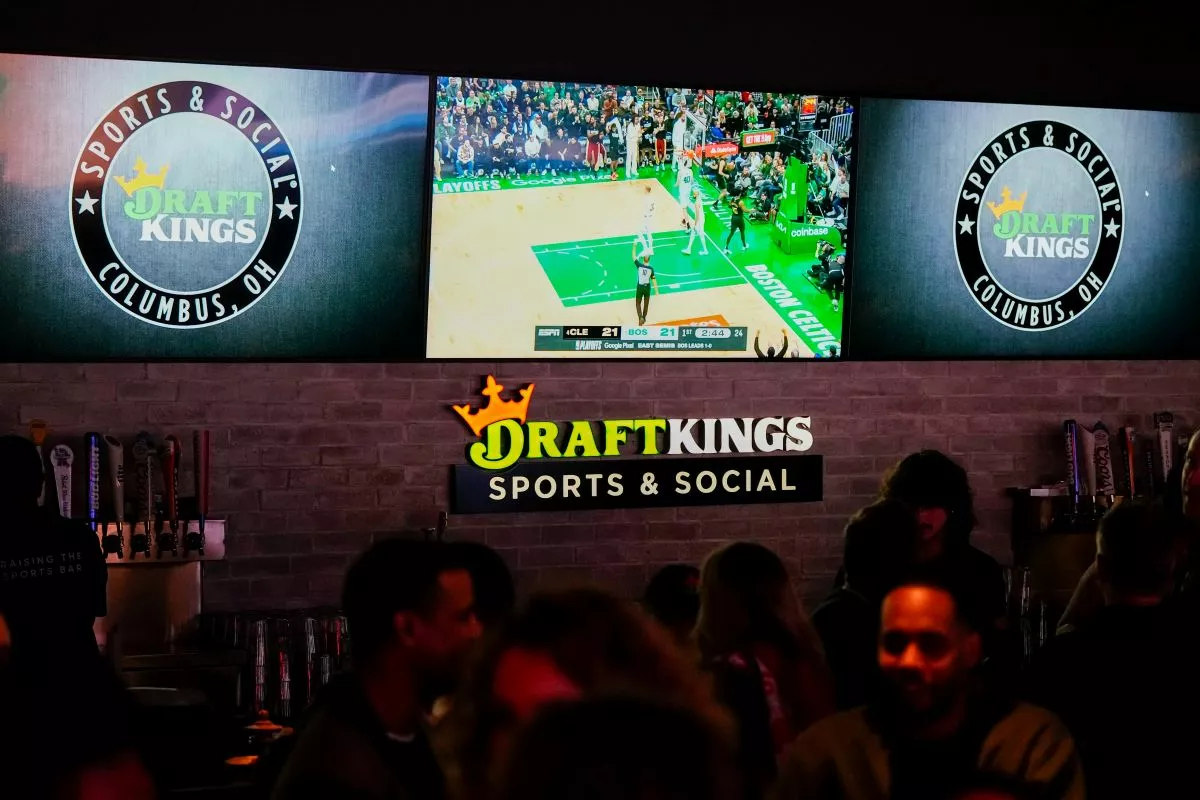
DraftKings’ prediction markets entry might be facing some legal jeopardy.
The company, far more famous for sports betting, faces a lawsuit in South Carolina. James Hughes, a retired attorney in Mount Pleasant, S.C., filed suit against DraftKings’ prediction markets operation. Hughes seeks a fine of triple the amount wagered in the Palmetto State.
The lawsuit also names Polymarket, which isn’t anything new for that operator. Polymarket has faced legal issues throughout 2026, as states attempt to crack down on prediction markets.
This is the first time, however, that DraftKings finds itself in the crosshairs. It has enjoyed market access in 39 states as a legal sportsbook operator, and its prediction market service was recently formed to compete with Kalshi and Polymarket.
Notably, South Carolina is not one of the states where betting is legal. Only the state-run lottery is legal in South Carolina, which kept DraftKings out of the state until recently. But with prediction markets becoming ubiquitous, DraftKings decided to get involved and enter the Palmetto State through that method.
What Is the Complaint Against DraftKings’ Prediction Markets?
Under South Carolina law, a provision known as the Statute of Anne allows anyone in the state to sue to recover someone else’s gambling losses in certain cases. The Statute of Anne is a colonial-era law that dates back to 1710 in Great Britain, and it remains part of the South Carolina code to this day.
Specifically, the Statute of Anne requires the amount lost to be greater than $50. It must also have been at least three months since the wagers were lost for anyone but the wagering party to sue.
Under this quirk of South Carolina law, Hughes has asked for triple the amount of money wagered and lost by other South Carolina residents, despite never placing a wager himself. He has said he wants to split the money with the counties where the wagers were placed.
His lawsuit has asked for DraftKings Prediction Markets and other providers to calculate the money wagered in South Carolina to determine the fine. He has also asked for an injunction to prevent prediction markets from operating in South Carolina, as well as for the defendants to pay his legal fees.
How Likely Is the Suit to Prevail?
It has an uncertain future. Although Hughes does have standing as a citizen of South Carolina under the Statute, there are two issues against him.
The first is the Commodity Futures Trading Commission’s stance that prediction markets are under their jurisdiction. If that’s accepted, the Statute would not apply. Second, Hughes isn’t acting as a harmed party. When video poker was legal in South Carolina between 1991 and 2000, four separate lawsuits successfully recovered a bettor’s gambling losses.
However, all four cases — Rorrer v. PJ Club (2001), Ardis v. Ward (1996), Mullinax v. JM Brown Amusement Co. (1997) and Justice v. The Pantry (1999) — involved a plaintiff recovering the losses of an immediate family member. As Hughes is acting on his own, that’s a much tougher ask for both the injunction and a final verdict.
-
Jadeveon Clowney Reunites with Houston Texans
-
DraftKings Prediction Markets Sued in South Carolina
-
Prediction Markets News Today: Hall of Fame Game and NFL MVP Race Take Center Stage
-
Pittsburgh Pirates vs. Milwaukee Brewers Odds, Picks & Predictions
-

I Played AmazonJackpots' New Live Casino - Here's My First Impression
-

MLB Today’s Best Bets for August 4: Home Run Picks & Top Player Props