Cruz Floats Prediction Markets Bill to Force State-Level Oversight
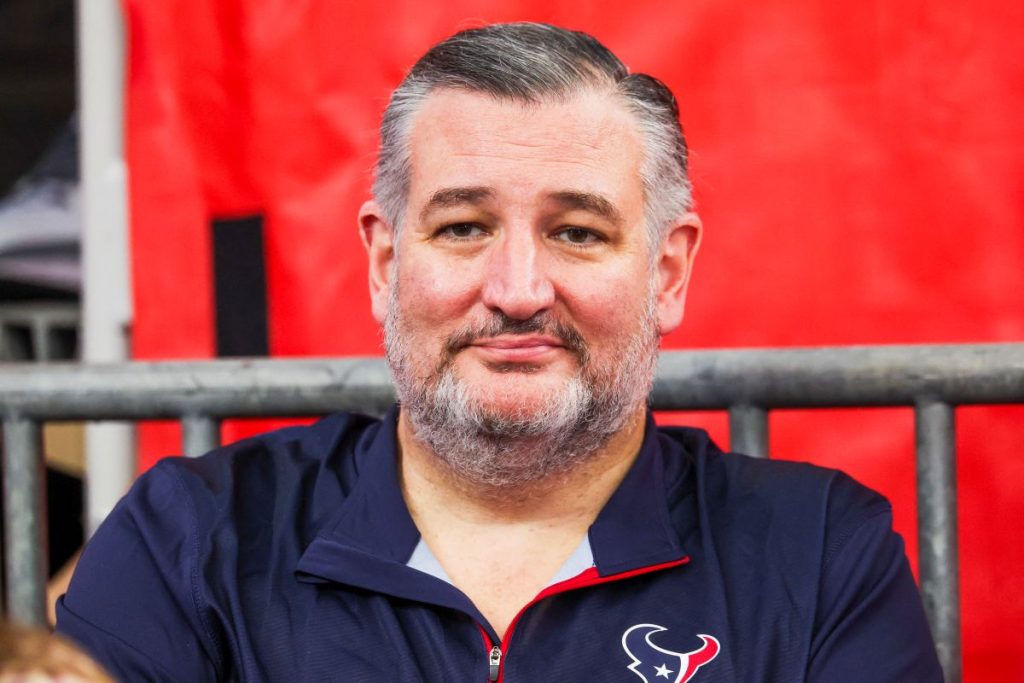
It’s long been assumed that the Supreme Court will decide the legality of prediction markets. But Sen. Ted Cruz has an idea for a prediction market bill that could completely change the conversation.
Cruz (R-Texas) plans to announce a prediction markets bill that would ban providers such as Kalshi and Polymarket from offering gambling-type contracts. The bill would exempt prediction market providers approved by a state or tribal government, essentially shifting the decision to state governments. Additionally, genuine commodity swaps, such as on crops or oil, would remain under federal jurisdiction.
That’s the outcome states have wanted from the beginning. Currently, prediction markets operate in a legal gray area, as the federal and state governments have clashed over whether sports and political event contracts are legal. Some states, such as Cruz’s own Texas, don’t want legal gambling at all. Yet current laws don’t allow them to regulate prediction markets.
Others, such as New Jersey, want prediction markets treated like sportsbooks. That would mean state-level oversight, tax revenue for their governments, and uniform eligibility laws. Currently, Kalshi and Polymarket allow users as young as 18, the legal age for swap contracts. Most states only allow gambling for those 21 and over.
Cruz’s prediction markets bill would end the legal gray area. The lone exception could come in states with a large Native American presence, such as Oklahoma or New Mexico. In those areas, a tribe could partner with a prediction market and cut the state out entirely. However, those states have long had legal casino gaming on tribal lands, and a prediction market working with a tribe wouldn’t change much.
What Might the Reaction Be to the Prediction Markets Bill?
The prediction markets probably won’t be pleased. Kalshi and Polymarket have counted on federal support, as states have tried to restrict or block them. In practice, prediction markets have tried to move lawsuits to federal courts, anticipating a more favorable ruling.
Even when they haven’t gotten a judge’s support, they’ve been able to count on President Donald Trump and the Commodity Futures Trading Commission to defend them. The CFTC has aggressively asserted jurisdiction over all prediction markets under the Commodity Exchange Act and the Dodd-Frank Act.
Importantly, though, those laws predate legal sports betting. The 2018 Murphy v. NCAA case opened the door for legal sports betting, which eventually allowed prediction markets into a legal gray area. Congress and state governments have said the two laws on the books were never meant to address sports betting, since it didn’t exist when they were written.
Will the Prediction Markets Bill Pass?
It’s got a good chance, but its future will be rocky. First, the Senate makeup will change after the midterms, possibly drastically. Republicans currently control both chambers of Congress, but Democrats are projected to gain control of at least the House and are favored to win the Senate. That would require Cruz to secure some Democratic support, but given the bill’s bipartisan nature, it was likely to attract Democratic support anyway.
The less certain part of the bill’s future is whether Trump would sign or veto the bill. On the surface, Trump’s support for prediction markets would make a veto seem certain. However, Trump rarely vetoes bills, even when he disagrees with legislation. The President dislikes the optics of Congress disagreeing with him and will sign legislation he dislikes if Congress clearly has enough votes to override his veto.
That possibility gives prediction markets reason to be nervous. For now, Trump is their best ally in this discussion. But if it passes with a veto-proof majority, Trump might abandon them to save face.
When Might the Bill Come to the Floor?
Theoretically, Cruz could bring the bill to a committee as early as Nov. 9. But he’ll almost certainly wait until Jan. 2027. When Congress returns after the election, it’s to take care of old business before newly elected members take their seats. These bills are less likely to pass in a new Congress, so time is of the essence.
That is not the case for the prediction markets bill. Cruz isn’t up for re-election this year, and he’s likely to find bipartisan support for his bill with the new Congress. That gives him time to wait, which he will likely do until January.
-

Cruz Floats Prediction Markets Bill to Force State-Level Oversight
-
Rays vs. Brewers Prediction, Odds and Props for Oct. 23: Milwaukee Takes Game 1
-

SweepKing Casino Delivers 3 New Slots With Up to 10,000x Multipliers
-

Utah Sues Kalshi, Declares Online Gambling ‘Public Nuisance’
-

$1500 Bonus Bets If Lose on Broncos vs Cardinals NFL: Use BetMGM Code BTSLINES
-

$10 Free on Signup, No Deposit Required on Colts vs Vikings NFL: Use Dabble Code JOIN10