Coinbase to Halt Sports Event Contracts in Michigan Tonight
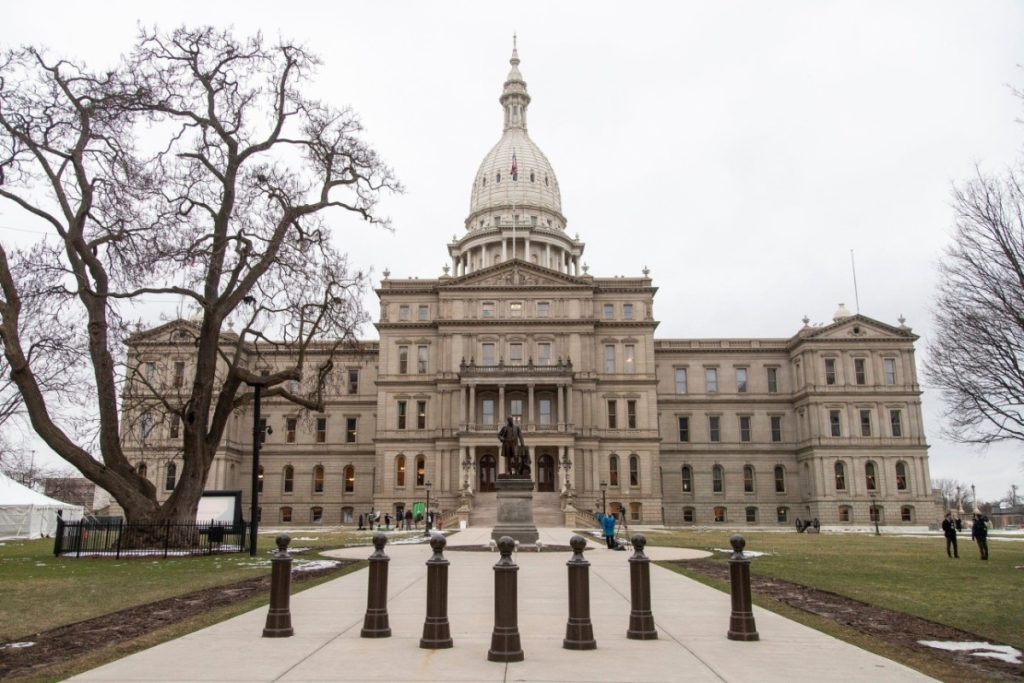
Coinbase is the latest prediction market exchange to pause its sports event contracts in Michigan following a deal with the state’s gaming board.
From midnight tonight, Coinbase users won’t be able to trade on the Super Bowl winner, U.S. Masters, or Harry Kane goal. Additionally, the platform must close any remaining trades still active by the deadline.
In closing its sports contracts, Coinbase follows Robinhood and Kalshi, which was blocked from offering similar trades last month.
MGCB: Michigan ‘Enforcing its Gaming Laws’
Coinbase only rolled out its prediction market exchange in January. It was built in partnership with Kalshi, the current market leader. However, just months into its first year of operation, it’s falling foul of the regulators.
The Michigan Gaming Control Board has been gunning for prediction markets for months. Attorney General Dana Nessel filed a suit against Kalshi in March for violating the Lawful Sports Betting Act (LSBA). The exchange geofenced its sports event contracts, denying Michiganders from accessing them. However, the rest of Kalshi’s markets are available.
Robinhood and now Coinbase have followed suit.
The MGCB highlighted Michigan’s “commitment to enforcing its gaming laws,” it said in a press release this week.
“Operators are halting these activities because they face significant legal consequences for continuing to offer them [sports event contracts] in our state.”
Coinbase had requested a preliminary injunction in August, though it was denied. Coinbase is appealing but is still waiting for the Sixth Circuit to rule. Similar appeal resolutions are pending for other prediction market exchanges.
Sports Betting vs Sports Contracts: The Neverending War
The seemingly endless battle between states and prediction markets shows no sign of ending. Dozens of U.S. states have now pursued prediction exchanges in the courts, many cases centering around sports event contracts.
Sports contracts allow traders to buy and sell positions on game winners or future league champions, similar to outrights at online sportsbooks.
Trade volume can be huge, as seen at this summer’s World Cup. The prediction market platforms claim they are allowed to offer such contracts under the Commodity Exchange Act (CEA).
State regulators argue that they are sports bets through the back door. And because prediction markets aren’t licensed by the state, they are breaking the law.
Predictions Securing Rare Wins
While Michigan AG Dana Nessel was talking about making a “clear impression” on the execs of the “illegal sports betting industry”, there was a win in the appeals courts for the prediction markets.
Kalshi scored a rare win against the courts this week, this time against Illinois regulators.
In a ruling Kalshi called “beautiful”, a federal district court judge ruled that Illinois could not impose its own gambling laws on predictions. Illinois has had legalized sports betting since 2019.
That ruling flew in the face of a Sixth Court of Appeals defeat for Kalshi in Cincinnati last month, and another for Nevada.
Supreme Court Decision Likely
It’s likely that the U.S. Supreme Court will have to step in and rule on who regulates prediction markets, and what happens to sports contracts.
New Jersey this month officially filed a petition to the Supreme Court, asking them to rule on whether Kalshi violates current state gambling laws. Oral arguments could begin this fall, with some reports suggesting a decision could be made in June.
With prediction exchanges now valued in the billions, there’s plenty at stake. The exchange bosses may not like geofencing, but until a federal decision is made, that may be the best outcome for everyone.
-
Coinbase to Halt Sports Event Contracts in Michigan Tonight
-

Play $5 Get $50 Bonus on Vikings vs Saints NFL: Use Underdog Code TLCDFSUSA
-

Spend $5 Get $50 in Free Play, Plus a 100% Match Up To $100 on Giants vs Commanders NFL: Use Fliff Code TLCBET
-
$1500 Bonus Bets If Lose on Colts vs Steelers NFL: Use BetMGM Code BTSLINES
-

Promo Code PREMARLINES for Kalshi: Week 5 NFL: Kalshi & Betting Odds
-
Promo Code From Kalshi: PREMARLINES Week 5 NFL Weekend