Buffalo Bills @ Denver Broncos Player Props - January 17, 2026
The Bills and Broncos meet in a spot where player props hinge on role clarity and repeatable volume. How the offense runs through Josh Allen and Bo Nix sets the foundation for most markets.
Passing volume leads the slate, with Josh Allen and Bo Nix combining for 1072 attempts that keep receiver props tied to usage. That structure helps frame angles within the broader Super Bowl futures odds.
The fixture lists Empower Field at Mile High for Saturday, January 17, 2026 at 04:30 pm. Early usage patterns tend to signal which player props hold the clearest path.

Best Player Props Stats Signals for Bills @ Broncos
I’m treating this as a matchup-based props lens that prioritizes repeatable touch volume over guessing game script. My goal is to find the floor first, then decide if the ceiling is worth chasing.
The regular-season rule still holds for me: roles cash more props than vibes. I’ll use the leans below as the quick scan, and the efficiency notes as permission (or a warning) to dial aggression up or down.
The most common mistake I see in props is building the case backward from one stat. I build it forward: opportunity first, conversion second, and then I decide how much upside I actually want to chase.
- Pass attempts tilt Broncos, which is typically the signal I want before I play aggressive passing alternates. (Pass attempts: 460 vs 612) (Yards per attempt: 7.97 vs 6.42) (Touchdown rate: 5.43% vs 4.08%)
- Carry volume tilts Broncos, and that is usually the safest foundation for rushing markets. (Carries: 112 vs 146) (Yards per carry: 5.17 vs 3.70)
- If I’m choosing between similar receiving lines, the target lean favoring Broncos is usually the cleanest separator. (Targets: 95 vs 124) (Catch rate: 75.8% vs 59.7%) (Yards per target: 7.57 vs 8.20) (Yards per reception: 9.99 vs 13.74)
The overview is my setup, and the next sections are my close-up. I break out dedicated analysis for the quarterback, the featured receiver, and the lead rushing back so each prop market has a clearer “why.”
QB board context: Josh Allen @ Bo Nix
Quarterback markets usually follow dropback volume first, then yards-per-throw second. The attempt gap (460 vs 612) is large enough to shape the passing range before anything else.
This section is intentionally narrow: it frames QB outcomes without guessing at scheme or opponent splits. Use the clearest driver to set a range, then take the side with the better market number.
| Metric | Josh Allen | Bo Nix |
|---|---|---|
| Attempts | 460 | 612 |
| Completions | 319 | 388 |
| Completion rate (%) | 69 | 63 |
| Passing yards | 3668 | 3931 |
| Yards per attempt | 7.97 | 6.42 |
| Passing touchdowns | 25 | 25 |
Bills @ Broncos rushing leaders: Josh Allen and RJ Harvey
RJ Harvey shows the clearer carry advantage here, which is the first thing to weigh for rushing-attempt props. A carry edge also helps rushing-yard props, but it only holds when the line is not assuming perfect game script.
The yards-per-carry edge sits with Josh Allen, and that can matter more than a small carry gap when the rushing-yard line is tight. Touchdowns help show who has cashed in to date, but treat them as the least stable input on this card.
| Metric | Josh Allen | RJ Harvey |
|---|---|---|
| Rushing attempts | 112 | 146 |
| Rushing yards | 579 | 540 |
| Listed average | 5 | 4 |
| Computed YPC (yards/attempt) | 5.17 | 3.7 |
| Rushing touchdowns | 14 | 7 |
Bills @ Broncos: Khalil Shakir and Courtland Sutton
This matchup is mostly volume plus conversion. Look at target count and catch rate for catches, then use yards per target as the clean yardage check when it shows up.
Courtland Sutton has the target lead here (124 vs 95). That is the cleanest base for a catches lean in this sample.
Khalil Shakir is converting looks at a higher rate (75.8% vs 59.7%). That fits better with catches, especially when targets are close. Courtland Sutton is gaining more per look (8.2 vs 7.57 yards per target). If targets are similar, that nudges the yardage angle toward Courtland Sutton. Short note: one side has the target lead, but the efficiency edge points the other way. If you’re playing catches, lean more on targets plus catch rate; if you’re playing yardage, lean more on targets plus yards per target.
| Metric | Khalil Shakir | Courtland Sutton |
|---|---|---|
| Targets | 95 | 124 |
| Receptions | 72 | 74 |
| Receiving yards | 719 | 1017 |
| Catch rate (receptions/targets) | 75.8% | 59.7% |
| Yards per target | 7.57 | 8.2 |
| Yards per reception | 9.99 | 13.74 |
Bills @ Broncos: NFL injury report and availability
The simplest read is often the best one: circle who did not practice and ignore the rest until the final update. That’s 1 names for Bills and 0 for Broncos.
If your bet depends on touch distribution, waiting can be the edge.
Bills injuries
Injuries listed: 11 | Did not practice: 1
| Player | Status |
|---|---|
| Christian Benford (CB) Groin |
|
| Brandon Codrington (CB) Knee |
|
| Keon Coleman (WR) Groin |
|
| James Cook III (RB) Hamstring |
|
| Taron Johnson (CB) Quad |
|
| Dawson Knox (TE) Hip |
|
| Greg Rousseau (DE) Knee |
|
| Shaq Thompson (OLB) Hamstring |
|
| Tre'Davious White (CB) Groin |
|
| Jordan Hancock (DB) Shoulder |
|
| Ed Oliver (DT) Ankle |
|
Broncos injuries
Injuries listed: 5 | Did not practice: 0
| Player | Status |
|---|---|
| Dre Greenlaw (LB) Quad |
|
| Alex Singleton (LB) Thumb |
|
| Evan Engram (TE) Calf |
|
| Nate Adkins (TE) Ankle |
|
| John Franklin-Myers (DL) Knee |
|
Team record read: Bills @ Broncos
Keep it simple at the top: record, games played, then win rate if it is available. Bills is 12-5 over 17 games at 70.6%; Broncos is 14-3 over 17 games at 82.4%. The difference in win rate is 11.8 points.
Your biggest risk here is over-weighting results that do not map cleanly to player volume. A moderate gap can still be noisy, so stay tight on the line/odds.
| Metric | Bills | Broncos |
|---|---|---|
| Season record | 12-5 | 14-3 |
| Games played | 17 | 17 |
| Win rate | 70.6% | 82.4% |
Bills at Broncos betting lines: moneyline, spread, and win probability
This is the feed’s look of moneyline odds (win price), win probability, and spread for Bills at Broncos. No extra math, no added assumptions, only the quotes that exist. Treat it as a reference for the rest of the page.
Conflicting favored-team flags can happen, and that creates noise. When you see that, treat the look as less reliable and downweight the moneyline odds (win price) read. Stick with the simplest reference you can support.
For a broader look at options, check our breakdown of best online sportsbooks.
| Metric | Bills | Broncos | Quick takeaway |
|---|---|---|---|
| Moneyline (win price) | +104 | -122 | Most useful when both teams have a moneyline odds (win price) number so you can compare the listing. When the moneyline odds (win price) look off, use this as a reference only. |
| Win probability | 48 | 52 | A simple lean indicator, as long as both values exist. If it conflicts with other signals on the page, downweight it. |
| Spread points | -1.5 | -1.5 | Helps frame whether this game is priced tight or not, when present. Most useful alongside the other rows, not by itself. |
Bills at Broncos: Usage and efficiency snapshot for props
Keep it simple with this read of the main skill players for each team. Weigh Touches with production, then decide if the price deserves a second look.
Lead by checking usage first, because that’s what this input shows most clearly. When conversion can’t be computed or fields are unknowns, you’re dealing with more swing.
| Focus | Player | Stat line used |
|---|---|---|
| Passing output direction | Bo Nix | Attempts: 460 (Josh Allen) vs 612 (Bo Nix) Yards per attempt: 7.97 vs 6.42 |
| Rushing workload direction | RJ Harvey | Carries: 112 (Josh Allen) vs 146 (RJ Harvey) Yards per carry: 5.17 vs 3.7 |
| Receiving involvement direction | Courtland Sutton | Targets: 95 (Khalil Shakir) vs 124 (Courtland Sutton) Yards per target: 7.57 vs 8.2 |
-

$10 Bonus on Mets vs Braves MLB: Use Kalshi Code PREMARLINES
-

Get up to 103 SC + 20,500 GC for FREE on Twins vs Yankees MLB: Use Legendz Code LINESWEEP
-

Spend $5 Get $50 in Free Play, Plus a 100% Match Up To $100 on Padres vs Dodgers MLB: Use Fliff Code LINESWEEP
-
Get up to 103 SC + 20,500 GC for FREE on Mets vs Braves MLB: Use Legendz Code LINESWEEP
-
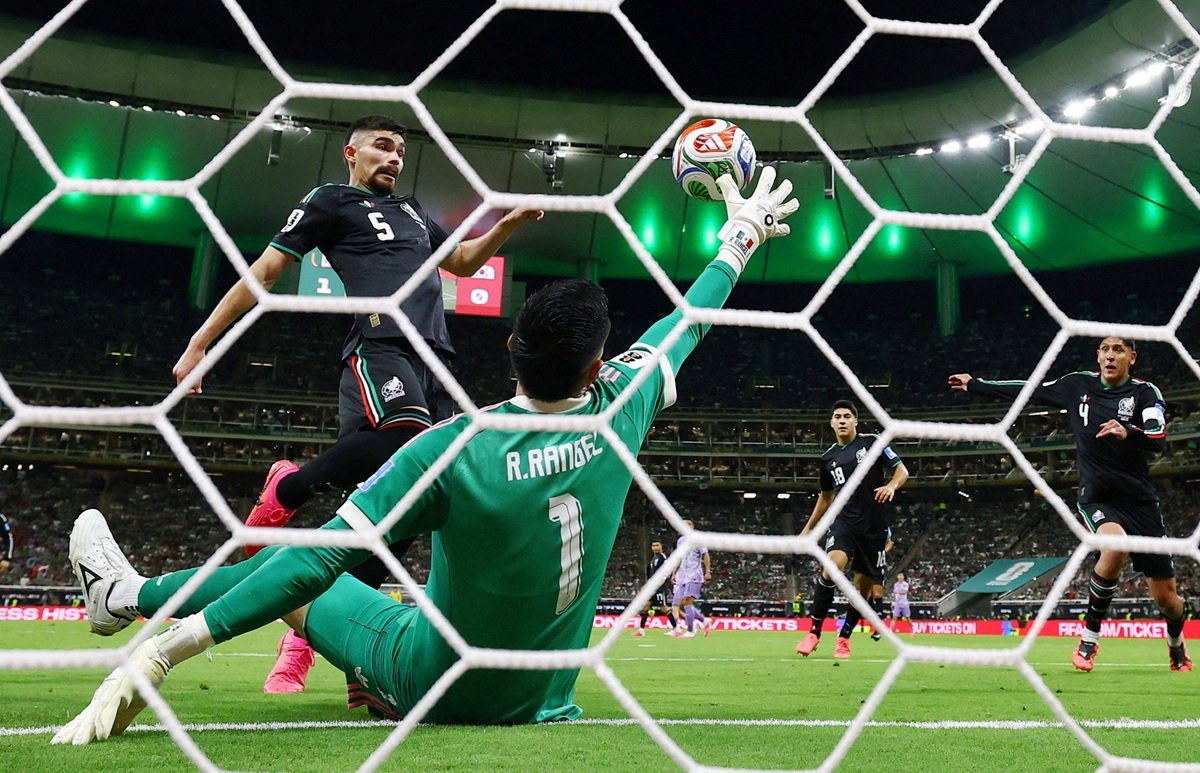
Ecuador vs. Mexico Odds, Picks & Predictions 1/32, June 30
-
FIFA World Cup Same Game Parlay Picks Today 6/30: Low Score Expected At the Azteca