NFL Trade Deadline 2026: Biggest Moves, Winners, Losers & Playoff Impact
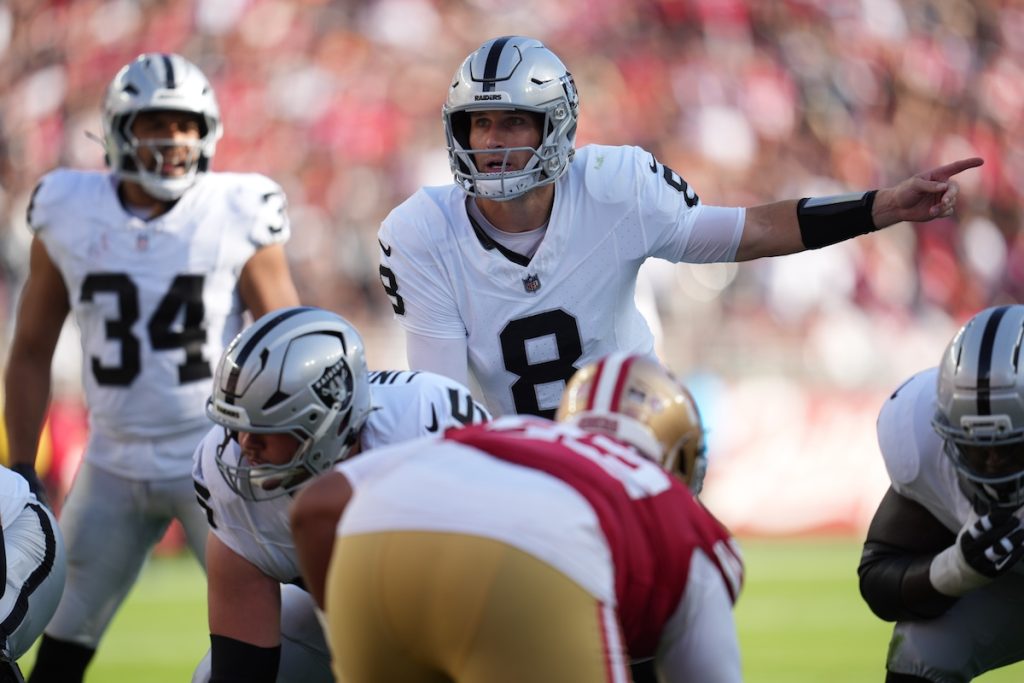
The 2026 NFL trade deadline gave several playoff teams a chance to make one final push before the stretch run. Some front offices went big, while others focused on fixing one specific weakness without overhauling the roster.
Jacksonville was the most aggressive buyer, adding multiple defensive starters to a team already near the top of the AFC. Minnesota brought Kirk Cousins back to stabilize the offense, Kansas City added Josh Downs for Patrick Mahomes, and San Francisco upgraded both sides of the ball with Keenan Allen and DeForest Buckner.
Those moves could have a real impact on the NFL playoff odds and Super Bowl race over the next couple of months. Below, we’ll break down the biggest deadline deals, which contenders improved the most, and which teams may regret standing pat.
Biggest 2026 NFL Trade Deadline Moves
Several playoff contenders made meaningful additions before the trade deadline. The Jaguars acquired Jessie Bates III, Jordan Davis, and Davon Godchaux to strengthen an already outstanding defense. Minnesota reunited with Kirk Cousins, while Kansas City added Josh Downs to give Patrick Mahomes another weapon.
San Francisco addressed two major needs by acquiring Keenan Allen and bringing DeForest Buckner back. Buffalo added safety Amani Hooker, strengthening its defense.
Baltimore also added veteran quarterback Jacoby Brissett and offensive lineman Ryan Neuzil, giving the Ravens additional insurance at two important positions for the remainder of the season.
Jacksonville Jaguars Go All-In on a Super Bowl Run
No team was more aggressive at the 2026 NFL trade deadline than the Jacksonville Jaguars. Already positioned as one of the AFC’s top contenders, Jacksonville doubled down by adding Jessie Bates III, Jordan Davis, and Davon Godchaux to strengthen a defense that could now become one of the NFL’s most complete units.
Bates gives the Jaguars a proven playmaker on the back end and should immediately improve the secondary’s ability to create turnovers. Davis adds size and disruption up front, while Godchaux provides another dependable interior presence against the run. Taken together, those moves give Jacksonville more talent at multiple levels of the defense.
That matters because the Jaguars were already good enough to make a serious playoff push before the deadline. Rather than standing pat, they chose to raise their ceiling. Jacksonville now looks like a team built not only to win the AFC South, but also to match up with the conference’s best offenses in January.
The cost was high, so the pressure rises from here. But in terms of pure urgency and commitment to winning now, no contender sent a louder message at the trade deadline than Jacksonville.
Minnesota Vikings Bring Back Kirk Cousins in Trade Deadline Blockbuster
The Minnesota Vikings made one of the most interesting moves of the 2026 NFL trade deadline by bringing Kirk Cousins back to the Vikings. They were already in the middle of the NFC playoff race, but inconsistent quarterback play had limited their offense despite a defense capable of carrying the team.
Cousins should immediately raise the floor of the passing game. He gives the Vikings a more proven option on third downs, in the red zone, and in situations where they’re forced to throw against strong opponents. He also knows the organization well, which should help shorten the adjustment period compared with most midseason quarterback additions.
The Vikings don’t need Cousins to completely transform the offense. They simply need more stable quarterback play to complement an already elite defense.
If Cousins can provide that, Minnesota becomes a much more dangerous postseason team. The trade doesn’t guarantee a deep playoff run, but it addresses the most important weakness on a roster that was already good enough to contend in the NFC.
Kansas City Chiefs Add Josh Downs at NFL Trade Deadline
The Kansas City Chiefs addressed one of their biggest weaknesses by adding Josh Downs at the trade deadline. The Chiefs needed another reliable receiving option, and Downs gives Patrick Mahomes a proven target who can create separation and work underneath.
That matters for an offense that has leaned heavily on Travis Kelce and struggled to consistently generate production from its wide receivers. Downs won’t completely fix the passing game on his own, but he should give Kansas City another dependable option on third downs and in the middle of the field.
For a team with Super Bowl potential, this was a logical move that directly addressed an obvious need.
San Francisco 49ers Add Keenan Allen and DeForest Buckner from Indianapolis Colts
The San Francisco 49ers made one of the more balanced deadline pushes, adding help on both sides of the ball. Keenan Allen gives San Francisco another reliable option in the receiving corps that has dealt with injuries, while DeForest Buckner strengthens the interior defensive line.
Allen should play a major role on third downs and on underneath routes, where his route running and experience can extend drives. Buckner returns to the franchise that drafted him, giving San Francisco another proven disruptor up front.
These moves addressed two clear needs, with Buckner being a potential difference-maker on the defensive side of the ball.
Buffalo Bills Strengthen Defense
The Buffalo Bills made one of the more aggressive moves at the deadline, adding Amani Hooker to improve their defense. He gives the Bills another experienced option in the secondary and adds versatility against both the pass and the run.
That matters for a team expecting to play deep into January, where depth in the secondary can become critical against elite quarterbacks. Buffalo didn’t add one of the biggest names at the deadline, but they added a proven defender who can help immediately without changing the structure of the defense.
It’s the type of move that may go slightly overlooked, but it could matter much more in postseason play.
Baltimore Ravens Add Insurance at Quarterback and Offensive Line
The Ravens used the trade deadline to add stability rather than chase a major splash. They brought in Jacoby Brissett as veteran insurance at quarterback and added Ryan Neuzil to help a banged-up offensive line.
Neither move dramatically raises Baltimore’s ceiling, but both address important depth concerns for a team with playoff potential. Brissett gives the Ravens a reliable option with Lamar Jackson recovering from injury and Tyler Huntley out for the season, while Neuzil adds experience up front.
For Baltimore, the deadline was less about changing its identity and more about protecting the roster against injuries during the second half of the season.
Indianapolis Colts and Atlanta Falcons Shift Toward the Future
Indianapolis and Atlanta took a different approach at the deadline, using it to collect future assets rather than chase short-term improvement.
The Colts moved Josh Downs, Keenan Allen, and DeForest Buckner, signaling a clear shift toward the future despite keeping Jonathan Taylor. Atlanta also dealt Jessie Bates III, turning one of its best defensive players into additional draft capital.
Neither team is positioned to make a serious playoff run, so the strategy makes sense. The more important question is whether those picks eventually turn into core pieces. For both organizations, the 2026 trade deadline was more about improving future roster flexibility than salvaging the current season.
Which Contenders Should Have Done More?
The Pittsburgh Steelers and Cincinnati Bengals stand out as contenders that could regret not doing more at the deadline.
The Steelers enter the second half of the season in the middle of the AFC playoff race, but they didn’t make any meaningful additions. Pittsburgh has leaned heavily on its defense, and another offensive weapon or depth piece could have helped balance the roster.
Cincinnati also stayed relatively quiet despite having some defensive concerns. The Bengals have enough offensive firepower to compete with anyone, but failing to add help on defense could become a problem against elite AFC opponents.
Sometimes the biggest deadline mistake isn’t a bad trade. It’s standing still while the teams around you get better.
How the NFL Trade Deadline Changed the Super Bowl Race
The trade deadline didn’t completely reshape the list of Super Bowl contenders, but several teams improved their chances of making a deep postseason run.
Jacksonville made the biggest push, adding three defensive pieces to a roster that was already among the AFC’s best. Minnesota addressed its biggest weakness by bringing Kirk Cousins back, while Kansas City gave Patrick Mahomes another receiving option in Josh Downs.
San Francisco also stands out after improving both sides of the ball with Keenan Allen and DeForest Buckner. Buffalo’s addition of Amani Hooker wasn’t the flashiest, but it gives an established contender more secondary depth for potential postseason matchups.
Ultimately, the teams that were already near the top of the Super Bowl odds strengthened their rosters without fundamentally changing what will determine their seasons.
Final Thoughts: Who Won the 2026 NFL Trade Deadline?
The Jaguars were the clear winners of the 2026 NFL trade deadline based on pure aggression. They identified a championship window and invested heavily in improving an already talented defense.
The Vikings may have made the move with the biggest individual impact by addressing quarterback, while the 49ers arguably found the best combination of value and immediate help. The Chiefs and the Bills also made logical additions without dramatically altering their rosters.
Deadline grades can change quickly, though. The real winners will be determined in January, when these additions either help their new teams advance or leave front offices questioning their decisions.
-
NFL Trade Deadline 2026: Biggest Moves, Winners, Losers & Playoff Impact
-

Texas vs. LSU Odds, Picks, and Prediction for Nov. 14: Hook em’ Horns!
-

Best NHL Player Props & Anytime Goal Scorer Picks for Nov. 14
-
USC vs. Indiana Prediction, Odds & Picks for Nov. 14: Hoosier Defense Handles SC
-

Next Nvidia CEO Prediction Market: Ian Buck Favored After Jensen Huang Exit
-
Missouri vs. Georgia Prediction, Odds & Picks for Nov. 14: Dawgs Clamp Down on Tigers