NBA All-Star Weekend 2026: Complete Schedule and Event Guide
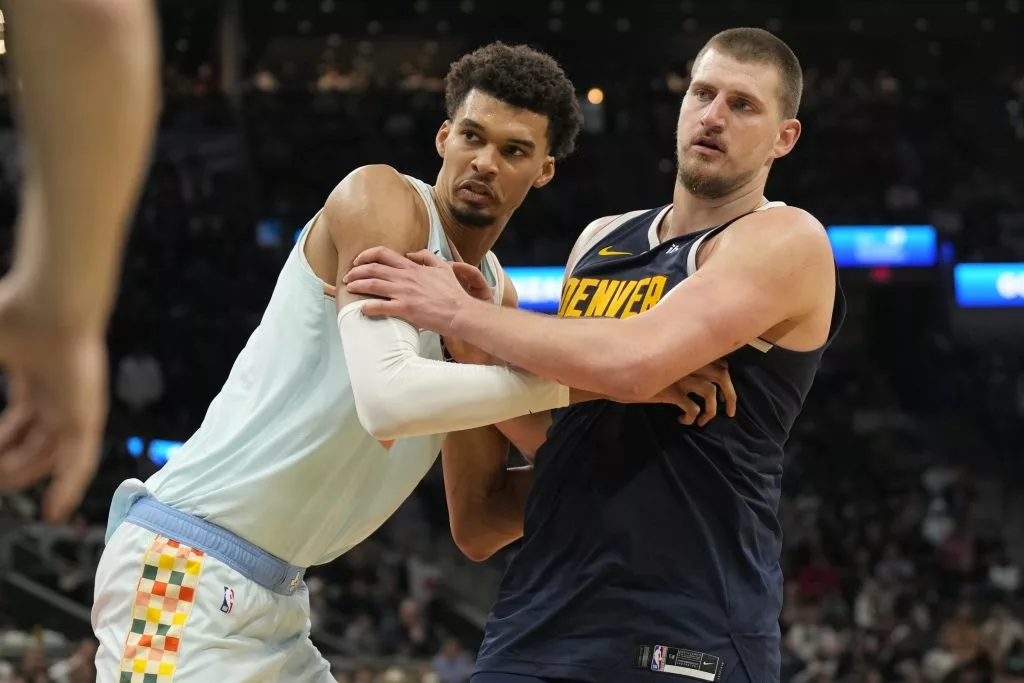
NBA All-Star Weekend 2026 is officially here, giving the league a brief pause from traditional regular-season action. For most teams, this stretch is about rest, as players scatter for vacations, spend time with family and recharge for what’s shaping up to be an exciting run to the postseason.
But the league’s biggest stars won’t be relaxing just yet. They’ll be in Los Angeles for NBA All-Star Weekend, with the Clippers hosting and the spotlight centered primarily around the Intuit Dome in Inglewood, California.
If you’re interested in following along with everything happening over the course of four packed days, here is your complete guide to every event on the NBA All-Star Weekend schedule.
Thursday, Feb. 12
Creator Cup Presented by PlayStation
10:30 p.m. ET | YouTube + NBA App
This is a creator and influencer showcase built around fast, highlight-friendly hoops and personalities you’ve probably seen on YouTube, TikTok, or Instagram. It’s more “entertainment plus real hoops” than a traditional NBA game, with creators mic’d up and the broadcast leaning into banter and moments.
The format is designed to move quickly and keep scoring simple, so you can jump in without needing deep context. Lineups are creator-focused rather than NBA players, with a popularity draw similar to the celebrity game vibe.
Friday, Feb. 13
Ruffles NBA All-Star Celebrity Game
7:00 p.m. ET | ESPN
This is a full celebrity exhibition game featuring names from entertainment, music, social media, and former athletes who want to get a run in on a big stage. It’s played like a regular basketball game with normal scoring, but the point is fun, moments, and surprises about which of these participants can actually hoop.
Some players take it seriously, some lean into comedy, and the broadcast is as much about personality as it is about the scoreboard. If you’ve never watched, treat it like a lighthearted pickup game with production value.
Rising Stars Game 1: Team Austin vs Team Melo
9:00 p.m. ET | Peacock
Rising Stars is the league’s young-talent spotlight, featuring top rookies and second-year players plus a G League group in a short tournament-style setup. This first game is one of the quick matchups that tends to be played at a faster pace than most regular NBA games.
The coaching gimmick is part of the fun, with former stars tied to each team identity. If you’re trying to learn the next wave of names before they pop, this is where you get introduced.
Rising Stars Game 2: Team Vince vs Team T-Mac
9:55 p.m. ET | Peacock
Same concept as Game 1, but a different pool of young players competing in the other matchup of the mini bracket. Because the games are shorter and the stage is big, you usually see more highlight possessions, more transition, and more showmanship. The target audience is the casual fan who wants to know who’s next without sitting through a full-length game. The winner moves on to the championship later that night.
Castrol Rising Stars Championship
10:35 p.m. ET | Peacock
This is the final of the Rising Stars mini tournament, so it’s the one that typically gets the most competitive edge. With a short format, runs matter and the closing minutes tend to feel like “game point” basketball where guys actually lock in. It’s also where one player can steal the weekend’s early spotlight if they go on a heater. For casual fans, it’s the cleanest entry point for Friday night.
NBA HBCU Classic presented by AT&T (Hampton vs North Carolina A&T)
11:00 p.m. ET | Peacock
This is an actual college basketball game staged within All-Star Weekend to spotlight HBCU programs and culture. It uses standard college rules and normal scoring, so it plays like a real competitive matchup rather than an exhibition. If you want something that feels most like “real hoops” on Friday night, this is it. The All-Star Weekend production and crowd energy just give it a bigger stage.
Saturday, Feb. 14
NBA All-Star Media Day Presented by AT&T
1:30 p.m. ET | NBA App + NBA TV
Not a competition, but it’s where the weekend’s storylines get packaged. Players do interviews, TV hits, photos, and content shoots that feed everything you’ll see during Saturday night and Sunday. If you’re covering the weekend or you like the behind-the-scenes side, this is basically the opening press day. Expect more personality than basketball.
Commissioner Adam Silver News Conference
4:00 p.m. ET | NBA App + NBA TV
Also, not a competition, this is the commissioner’s annual All-Star Weekend media session. It’s where the league addresses big-picture topics like rules, officiating emphasis, business initiatives, and future event format tweaks. If you’re a casual fan, watch for headline items and quotes that get repeated all weekend. It’s the closest thing to a “state of the league” checkpoint during All-Star. And you know tanking will be discussed, especially after the fines given out on Thursday.
NBA All-Star Saturday
String of Events Start at 5:00 p.m. ET | NBC + Peacock
This is the prime-time style umbrella show that packages the three marquee competitions into one broadcast block. There’s no single “All-Star Saturday” champion, it’s simply the branded program that includes the 3-point contest, Shooting Stars, and the dunk contest in order. For casual fans, this is the easiest “turn it on and you’ll understand it” night of the entire weekend. The rules are clean, the pacing is fast, and every segment has a winner.
State Farm 3-Point Contest
NBC + Peacock
Eight shooters run timed racks from multiple spots and try to pile up points as fast as possible, with higher-value balls mixed in so one hot rack can swing the round. After the first round, the top scorers advance to the final round and the best final-round score wins.
The appeal is simple. It’s easy to track, it’s rapid-fire, and it often ends with a dramatic last few shots. Even if you don’t know the participants, you’ll understand what’s happening in about 30 seconds.
Kia Shooting Stars
NBC + Peacock
This is a timed team shooting relay with four teams, each made up of two NBA players and one NBA legend. Teams get a short window to hit shots from specific locations in a required order, with different point values by spot, including a long-range, higher-value shot that can change everything late. The top teams advance and the final round decides the winner based on score under the clock. If you like quick chaos and teamwork, this is the most game-show segment of Saturday night.
AT&T Slam Dunk
NBC + Peacock
Four dunkers compete across two rounds, with judges scoring each dunk and the best combined scores advancing the top two into the final. The final becomes a head-to-head showdown where each finalist gets a couple of attempts to land their biggest dunks and win the title. Scoring is subjective, which is why props, creativity, and difficulty become the whole conversation. Even if you don’t know the dunkers, it’s the easiest event to watch purely for spectacle.
Sunday, Feb. 15
NBA G League Next Up Game
2:30 p.m. ET | NBA App
This is the G League’s All-Star-style showcase and it’s built to be quick and competitive. Players are drafted into small teams and play short, target-score style games, which keeps the energy high and eliminates the “let’s just run out the clock” feel.
For casual fans, it’s a great way to see high-level pros you may not know yet, including two-way types and call-up candidates. The vibe is closer to a high-stakes open run than a traditional broadcast game.
NBA All-Star Game (Tournament Format)
All Games on NBC + Peacock
The 2026 All-Star Game uses a mini tournament built around a USA vs World concept, with three teams playing short games before a championship. Instead of one long exhibition, you get multiple condensed sprints, which makes each possession matter more and usually improves effort.
Advancement can come down to record and tiebreakers like point differential, so you may see teams push late even in an All-Star setting. The whole goal is to create urgency without needing a full 48-minute game.
All-Star Game 1: World vs Stars
5:00 p.m. ET
This is the opening game of the round-robin, kicking off with Team World against one of the USA squads. Because the game is short, teams usually come out hunting highlights early and a small run can basically decide it.
The winner gets a huge advantage in the mini tournament because every game is essentially a quick playoff round. If you’re only half watching, you’ll still feel the urgency immediately.
All-Star Game 2: G1 Winner vs Stripes
5:55 p.m. ET
Game 2 puts the USA Stripes team against the winner of Game 1, so it can instantly create a front-runner for the championship slot. The structure rewards early momentum, which is why this game can quietly be the most important of the round robin.
If the first game was tight, this one can get chippy because nobody wants to fall behind in a format where you don’t have many possessions to recover. For a casual fan, it plays like a win.
All-Star Game 3: G1 Loser vs Stripes
6:25 p.m. ET
This closes the round robin and often decides who reaches the championship, either cleanly by record or via point differential if teams end up tied. That’s why you sometimes see a late push even in an exhibition setting because margins can matter.
It also tends to feature the most scoreboard-watching energy as teams realize exactly what they need. Once it ends, the championship matchup is set.
All-Star Championship
7:10 p.m. ET
This is the final, winner-take-all game between the top two teams from round-robin play. It’s the segment most likely to feel like real competition because there’s a clean finish line, a title, and bragging rights. Even if defense isn’t playoff-level, effort typically rises because the ending is simple.
Win this and you win the weekend’s main event. If you only watch one chunk on Sunday, this is the safest bet.
-
Panthers RB Jonathon Brooks Slated for Surgery, IR Stint
-

VegasWay Sweepstakes Casino Partners With Sneaky Slots: Play 3 New Games
-
MLB Home Run Props and Predictions Today: Top Player Props for Sept. 23
-
Presidents Cup Props & Parlay Picks for 2026: Sam Burns Time
-
‘America’s Got Talent’ Finale Prediction Markets: Nene Royal Leads
-
Tribes Line Up to Criticize Tunica-Biloxi Prediction Market Move