Wisconsin Sports Betting On Hold Until May Pending Lawsuit
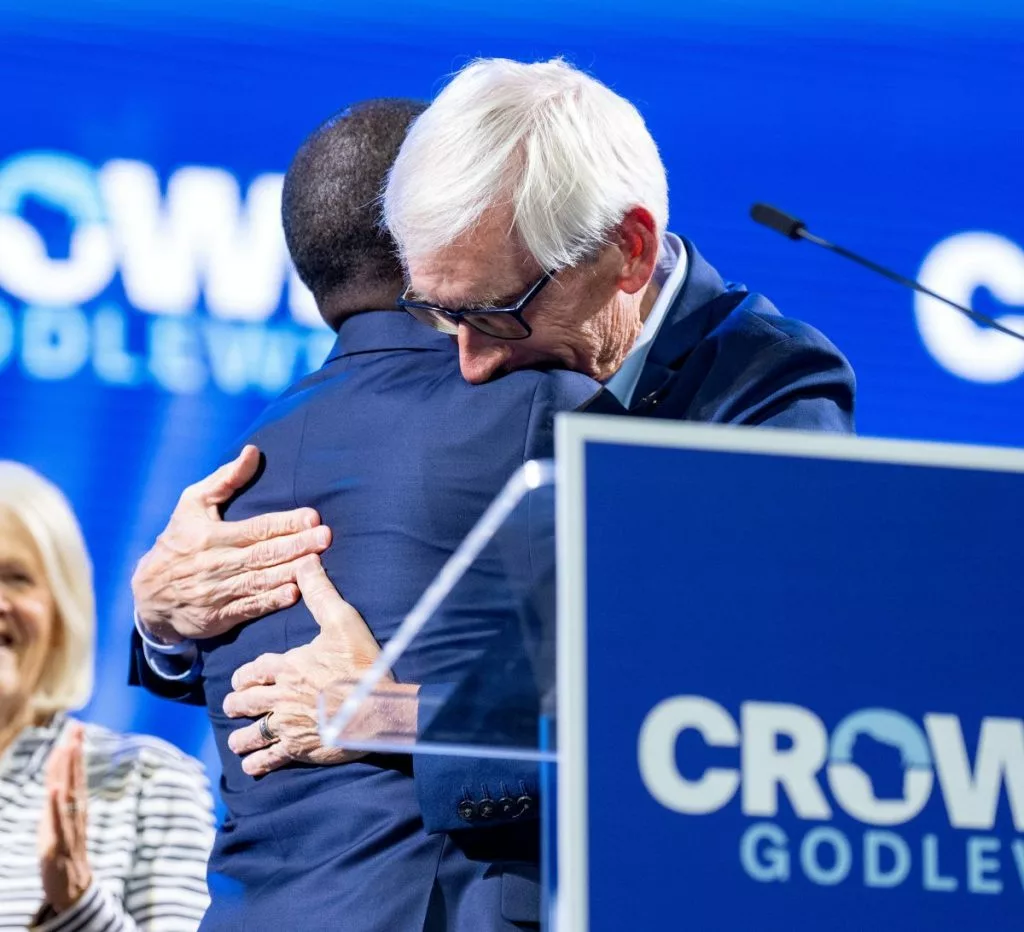
Anyone hoping to see mobile Wisconsin sports betting will have to wait until at least 2027 — and late 2027, at that.
Waukesha County Circuit Judge Arthur Melvin allowed a lawsuit against the Badger State’s new law to proceed, scheduling oral arguments for April 2027. At the same time, Melvin allowed eight Native American tribes to join Wisconsin in defending the law, setting up a battle between the tribes and a conservative think tank.
The Wisconsin Institute for Law and Liberty (WILL) filed the lawsuit in August, essentially blocking the state from setting up mobile Wisconsin sports betting. Although WILL does not appear to have secured an injunction, setting up sports betting is a cumbersome process. It takes about six months from legalization to launch, and the tribes haven’t shown an appetite to begin the process with the possibility of losing the lawsuit in the spring.
Melvin’s ruling means that mobile Wisconsin sports betting won’t appear at all in 2026. It also means that the state’s recent election can now become a factor, which can completely change the equation.
How Do The Elections Affect Mobile Wisconsin Sports Betting?
First, the tribes no longer have an open supporter in the governor’s office. Outgoing Gov. Tony Evers signed Assembly Bill 601 in April, which legalized mobile sports betting that originated from tribal lands. Sports betting in Wisconsin was already legal on tribal lands, but the new law allowed anyone in Wisconsin to place bets through a server based on tribal lands.
However, Evers was term-limited and could not seek re-election. His successor, David Crowley, is also a Democrat who did not take a stance on Wisconsin sports betting. His election was seen as a small win, as his opponent, Tom Tiffany, vocally opposed expanding gambling in Wisconsin.
At this point, Crowley is limited in what he can do about AB 601. However, the lawsuit’s timing means he — not Evers — will lead negotiations on gambling compacts with the state’s tribes. Whether Crowley chooses to work with the tribes or spend his political capital in opposing them will shape the form of Wisconsin sports betting.
The state’s new amendment, Question 3, provides far more concerns for sports betting advocates. That amendment prohibits the state from either discriminating against or granting preferential treatment toward anyone based on race, sex, color, ethnicity, or national origin. WILL attorney Lucas Vebber said his group will amend its complaint to include potential violations of Question 3.
Tribal sovereignty usually supersedes state laws and constitutions. However, the lawsuit could test whether that applies here, as it concerns wagers placed outside tribal lands.
What Precedent Exists In This Case?
Past precedent favors the state and the tribes, but it’s not a sure thing. Wisconsin's model has long been Florida's model, and Florida first created the tribal hub-and-spoke model in 2021. Initially, a federal judge ruled that it was illegal, leaving Florida without legal sports betting from 2021 until 2023.
However, the U.S. Court of Appeals overturned the initial ruling in June 2023. In West Flagler v. Haaland, Judge Robert Wilkins held that whether the Seminole Tribe could allow gaming outside of its lands was for Florida to decide, not the United States. As Florida had already made its decision, its compact with the Seminoles was allowed to stand.
Melvin’s decision might come down to whether Question 3 affects the tribes’ essential monopoly on gambling in Wisconsin. If he decides allowing gambling off of tribal lands violates Question 3, WILL would be favored to win the lawsuit. If he rejects this argument, the state and the tribes would be highly favored to win.
What’s The Future For Bettors?
Until at least May 2027, Wisconsin sports betting is limited to in-person wagers on tribal lands. Melvin is expected to rule then, and his ruling will have wide-reaching consequences in either direction.
His ruling will almost certainly be appealed either way. But the scope of his ruling will impact if and when Wisconsin might see mobile sports betting. If his ruling suggests the state will likely survive an appeal, the framework will likely begin in the spring. That would see a November 2027 timeline for legal sports betting in Wisconsin.
If Melvin rules against the state, or suggests an appeal could be successful, the entire effort will be on hold. That would mean sports betting wouldn’t be widely available until at least 2028.
-
Vikings Bank on Reunion With Kirk Cousins to Transform Struggling Offense
-

NHL Player Props and Parlay Picks 11/11: League Leaders Step Up
-
NFL MVP Prediction Markets: Joe Burrow Surges Ahead of Josh Allen
-
Wisconsin Sports Betting On Hold Until May Pending Lawsuit
-

Looking for New Games at SweetSweeps? Playzia Just Joined the Lineup
-
Marquette vs. Michigan Prediction, Odds & Picks for Nov. 11: Offenses Lead the Way