Watson Rolls to Re-Election; Maryland iGaming Bill Likely for 2027
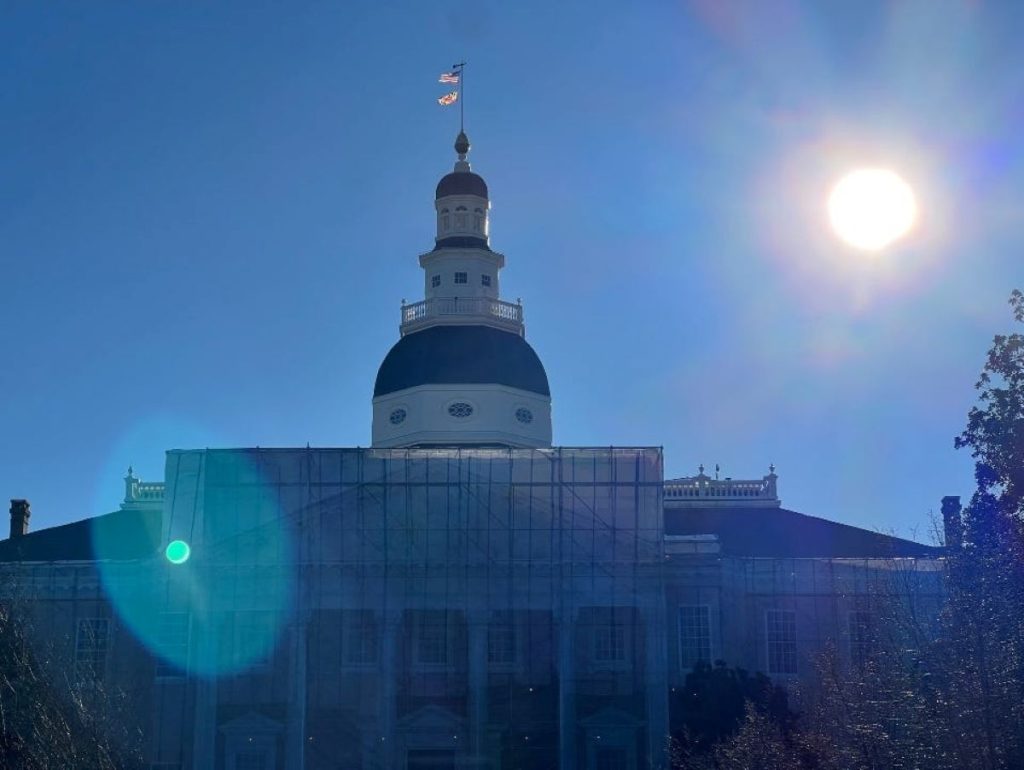
Ron Watson’s race for re-election was never in doubt. His attempts to pass a Maryland iGaming bill haven’t been nearly as smooth, but he’ll be able to try again in January.
Watson easily won re-election in Maryland State Senate District 23, which represents Maryland’s suburbs on the east side of the District of Columbia in Prince George’s County. The race was called at 10:41 p.m. Eastern on Nov. 3, with Watson holding 90.57% of the vote against Republican challenger James Amah.
That sets Watson up to again try to bring iGaming to the Old Line State. He has been the main sponsor of previous bills, such as Senate Bill 761. That was Watson’s attempt in 2026, and he’s presented a Maryland iGaming bill every year since he was first elected to the state Senate in 2020.
Whether the bill goes anywhere remains to be seen. Watson pulled the bill in March, citing political concerns that made the risk of facing the voters untenable in 2026. According to a poll in October 2025, 71% of Maryland voters opposed the legalization of iGaming in the state.
Why Is a Maryland iGaming Bill Likely to Come?
Introducing the iGaming bill in Maryland makes sense for three reasons. First, Watson now has the political winds at his back for the next year-plus. Now that he doesn’t have to worry about his party’s re-election prospects until 2028, he has time to craft a message on potentially less popular positions.
Second, he has an ally at the head of the state senate in Senate president Bill Ferguson. Ferguson, a Baltimore Democrat whose district includes the Horseshoe Casino, also won his re-election race. Now that the Maryland legislature will be in regular session again, he’s likely to be more supportive of Watson’s efforts.
Third, Maryland’s southern neighbor’s efforts have moved up the need for a Maryland iGaming bill. Since Democrats took control of Virginia’s legislature in 2024, they’ve made strides toward opening their state for iGaming efforts. Last year, the Virginia state senate approved an iGaming bill, although it died in the state House.
That’s a warning shot for Watson, whose district includes MGM National Harbor. That casino sits just over the Potomac River from Virginia’s wealthy suburbs. Currently, there’s no option for casino gaming in Northern Virginia, which sends that traffic into Maryland. If iGaming comes to Virginia, however, Maryland’s gambling revenues could take a hit.
How Likely Is a Bill to Pass?
It depends on what kind of electorate Watson believes is coming in 2028. In order for a Maryland iGaming bill to mean anything, the voters must be receptive to it.
That’s why it’s beneficial for Watson to try in 2027: Maryland’s next election isn’t for more than a year. That gives Watson time to make his case to voters and try to convince them iGaming can help Maryland’s finances.
It also makes the next few months crucial for iGaming supporters. If Watson pulls the bill again, it means he’s not confident he can find the votes from Maryland’s electorate.
What Is the Upcoming Timeline?
Maryland legislators return to work in January, and their session will last until around April. That gives Watson about three months to write and introduce a new bill in order to give it time to get through the General Assembly.
He’ll also have to sell such a bill to Gov. Wes Moore. Maryland Democrats hold strong majorities in both chambers of the General Assembly. But they probably wouldn’t override a veto from Moore, a fellow Democrat who enjoys strong favorability ratings. If Watson can’t get Moore on his side, a Maryland iGaming bill would likely fail.
-

Watson Rolls to Re-Election; Maryland iGaming Bill Likely for 2027
-

Pete Hegseth Prediction Markets: Chances of Early Exit Soar After Republican Midterms Wipeout
-

Midterms Shocks Raise Prospects of Legal Gambling in Key States
-
Jaguars vs. Ravens Odds, Picks & Prediction: Jax Wins Big on TNF
-

Political Earthquake Takes Down Patrick; Opens Possibility of Texas Sports Betting
-

Nebraska Sports Betting Initiatives Defeated