Washington DC Looks at Sweeps Casino Ban, Legal Online Betting
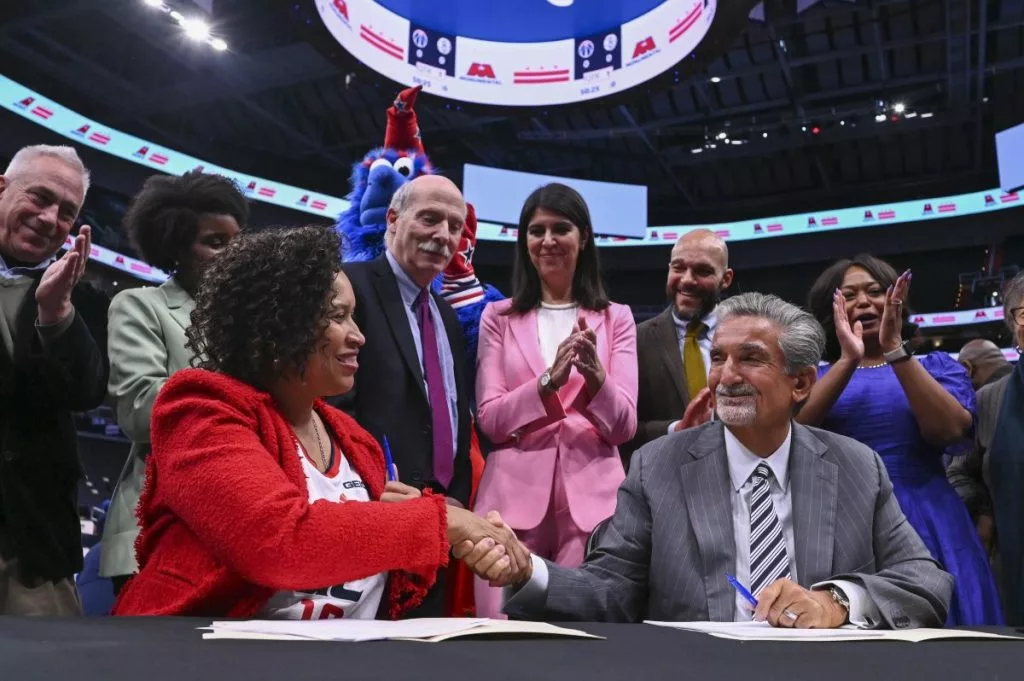
Legal online betting could soon be on its way to the nation’s capital — if the federal government allows the District of Columbia to pass such a bill.
Councilmember Wendell Felder (D-Ward 7) has introduced Council Bill 260656, which would make online casino betting, known as iGaming, legal in the District of Columbia. At the same time, it would enact a ban on sweepstakes casinos, which currently operate in the District.
Sweeps casinos have come under fire in the past 18 months, largely because they pay no taxes to state governments. Sweeps casinos’ dual nature has left them unregulated, meaning jurisdictions have missed out on millions of dollars of potential revenue.
Felder’s bill must first go through the Committee on Human Services in April before a public hearing in May. The District’s Council meets throughout the year except for a recess in December, so there isn’t a set timetable for a decision.
Will the Legal Online Betting Bill Become Law?
It’s not clear, given the unique status of Washington DC. Under the DC Home Rule Act, the District’s Council is not the final authority on bills in the District. Instead, the federal government gets to weigh in at two different checkpoints, if it wishes.
When the Council approves a bill and the mayor signs it, Congress gets a 30-day period to review the bill. If Congress doesn’t take action, the signed bill officially becomes a law. If Congress disapproves, it can pass a joint resolution in both the U.S. House and Senate saying so.
If a resolution is passed, the resolution heads to the president’s desk. The United States president can either veto the resolution, which passes the Council bill, or sign it, which overrules the Council and blocks the bill.
Mayor Muriel Bowser is seen as a proponent of legal online betting. In 2024, she signed a bill expanding legal sports betting in the District, which had previously only allowed one sportsbook to operate. Washington DC now has six sportsbooks in operation. But iGaming is seen as a tougher hill to climb. Only eight states have approved online casino betting, compared to 33 that have legal sports betting.
Politics could also come into play. While Congress has only overrode the District Council five times since 1973, two have come in the past five years. With Republicans controlling both chambers and President Donald Trump regularly at odds with the District, the federal government could use its authority here.
What Provisions Exist In the Bill?
As written, the bill is aimed at keeping money in the District. The bill sets the tax rate on iGaming at 25%, and it requires online casino operators to spend at least 35% of their budgets in the District. If approved, the Office of Lottery and Gaming would be in charge of iGaming in the District.
As is customary in states with online betting, the legal age to gamble would be set at 21, and applications would only work inside the District. That last bit could make a big difference for DC tax revenues. Virginia and Maryland both attempted to legalize iGaming in their 2026 legislative sessions, but both fell short. With all three areas connected by Metro, Washington's transit system, iGaming could be a massive boon to Washington DC if it’s the only jurisdiction to allow it.
When Would iGaming Come to Washington DC?
The earliest realistic launch would be December 2026 or January 2027. In practice, it takes about 180 days after legislative approval for operators to build framework, test websites and ensure geolocation works properly. That can’t begin until after the legislation becomes active, which won’t happen until June at the earliest.
Most likely, the full Council will vote in May after the public hearing. If it passes to Mayor Bowser and she signs the bill, Congress’ review period would then begin.
-

Courtyard.io Adds Pokémon Booster Raffle: Win 6 Packs Worth $1,500+
-

Anytime Touchdown Scorer Picks for Oct. 19: 5 Commanders-49ers MNF Bets
-

NHL Anytime Goal Scorer Predictions Today: Best Bets for Oct. 19
-
Commanders vs. 49ers Prediction, Odds & Picks for Oct. 19: San Francisco Cruises
-
NBA Orders Sportsbooks to Prohibit Some Prop Bets, Parlays
-
MNF Week 6 NFL Parlay Picks & Player Props: Commanders vs. 49ers